


 Japanese Pharmaceutical Stocks Slide as TrumpRx.gov Launch Sparks Market Concerns
  Russian Stocks End Mixed as MOEX Index Closes Flat Amid Commodity Strength
  Dollar Near Two-Week High as Stock Rout, AI Concerns and Global Events Drive Market Volatility
  Japan Economy Poised for Q4 2025 Growth as Investment and Consumption Hold Firm
  Singapore Budget 2026 Set for Fiscal Prudence as Growth Remains Resilient
  Trump’s Inflation Claims Clash With Voters’ Cost-of-Living Reality
  Trump Backs Nexstar–Tegna Merger Amid Shifting U.S. Media Landscape
  U.S.-India Trade Framework Signals Major Shift in Tariffs, Energy, and Supply Chains
  Trump Allows Commercial Fishing in Protected New England Waters
  South Africa Eyes ECB Repo Lines as Inflation Eases and Rate Cuts Loom
  New York Legalizes Medical Aid in Dying for Terminally Ill Patients
  TrumpRx Website Launches to Offer Discounted Prescription Drugs for Cash-Paying Americans
  Norway Opens Corruption Probe Into Former PM and Nobel Committee Chair Thorbjoern Jagland Over Epstein Links
  Global Markets Slide as AI, Crypto, and Precious Metals Face Heightened Volatility
  Nighttime Shelling Causes Serious Damage in Russia’s Belgorod Region Near Ukraine Border
  Bank of Japan Signals Readiness for Near-Term Rate Hike as Inflation Nears Target


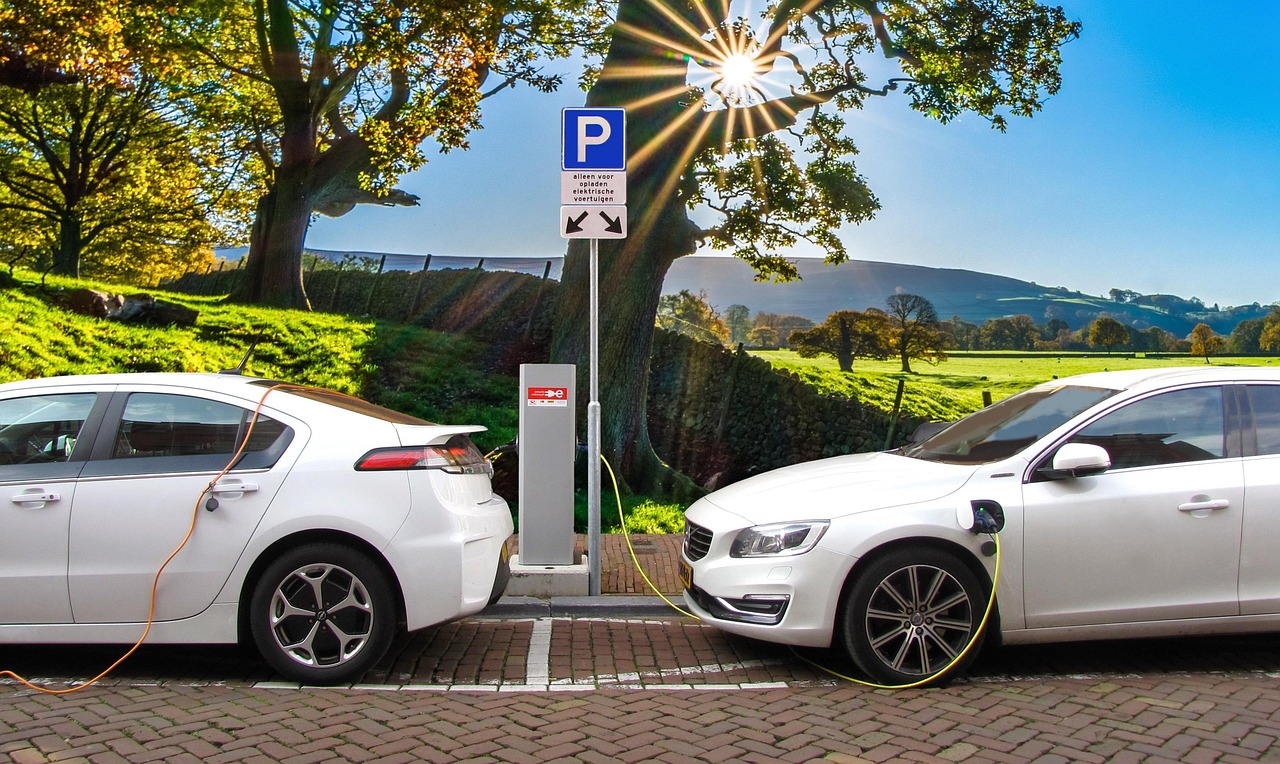
Senior officials from the Trump administration are promoting major changes to U.S. auto policy, arguing that rolling back vehicle emissions regulations will help lower car prices and address affordability concerns for American consumers. Transportation Secretary Sean Duffy, Environmental Protection Agency Administrator Lee Zeldin, and U.S. Trade Representative Jamieson Greer highlighted these efforts during a visit to the Detroit Auto Show, following tours of major auto manufacturing plants in Ohio.
The administration has reversed several electric vehicle and emissions policies introduced under former President Joe Biden, positioning the changes as a response to rising vehicle costs and consumer demand. Duffy stated that easing emissions regulations would allow automakers to build vehicles Americans prefer, including gasoline-powered cars and trucks, without government mandates favoring electric vehicles. He emphasized that the policy shift is not intended to undermine EVs but to create a level playing field between electric and combustion-engine vehicles.
Vehicle affordability has become a critical issue as inflation remains a top concern ahead of the midterm elections. According to Cox Automotive, average new vehicle transaction prices reached a record $50,326 in December, driven largely by higher-priced SUVs and trucks and a shrinking number of entry-level models. In response, President Donald Trump previously signed legislation eliminating the $7,500 EV tax credit, overturning California’s EV mandates, and removing penalties tied to fuel efficiency standards.
Despite concerns over new tariffs on imported vehicles and auto parts, U.S. vehicle sales rose 2.4% in 2025 to 16.2 million units. Greer argued that tariffs have not significantly impacted consumer prices and claimed overall car prices are trending downward.
Critics, including environmental groups and Democrats, argue the policy changes will increase fuel costs and benefit the oil industry while undermining clean vehicle adoption. The Department of Transportation estimates its proposed rollback of fuel efficiency standards could lower upfront vehicle prices by about $930 but significantly increase fuel consumption and long-term fuel costs for Americans through 2050.
As the administration prepares to finalize new emissions rules, the debate over auto prices, emissions regulations, and consumer choice continues to intensify.













