


 Netanyahu Takes Aim at Mamdani as Israel Election Nears
  NATO Boosts Intelligence Sharing Amid Russia Hybrid Threats
  Mexico-US Trade Talks Delayed to October as Tariff Negotiations Continue
  France Defends Netanyahu Airspace Clearance Despite ICC Warrant
  Netanyahu Defends Israel at UN as Delegates Stage Walkout
  Abbas Reaffirms November 28 Palestinian Elections
  Judge Orders Trump to Restore White House Access for CNN, MS NOW and Politico
  North Korea Rejects Nuclear Test Warning, Calls Nuclear Status Irreversible
  Taiwan Thanks US for Support Ahead of Trump-Xi Summit
  Pezeshkian Says US Must Choose When Iran War Ends
  Trump, Xi Focus on Trade and AI at White House Summit
  Najib Razak Seeks Stay of 15-Year 1MDB Prison Sentence
  Xi Calls for Deeper U.S.-China AI Cooperation in Trump Talks
  Ghana Says Western Support Growing for Slave Trade Reparations
  What ‘Taiwan Independence’ Means as Xi Presses Trump on US Policy
  Netanyahu’s Brief US Trip Highlights Strains With Trump
  Yemen Violence Displaces 130,000 as Civilian Toll Rises


 Add as a preferred source on Google
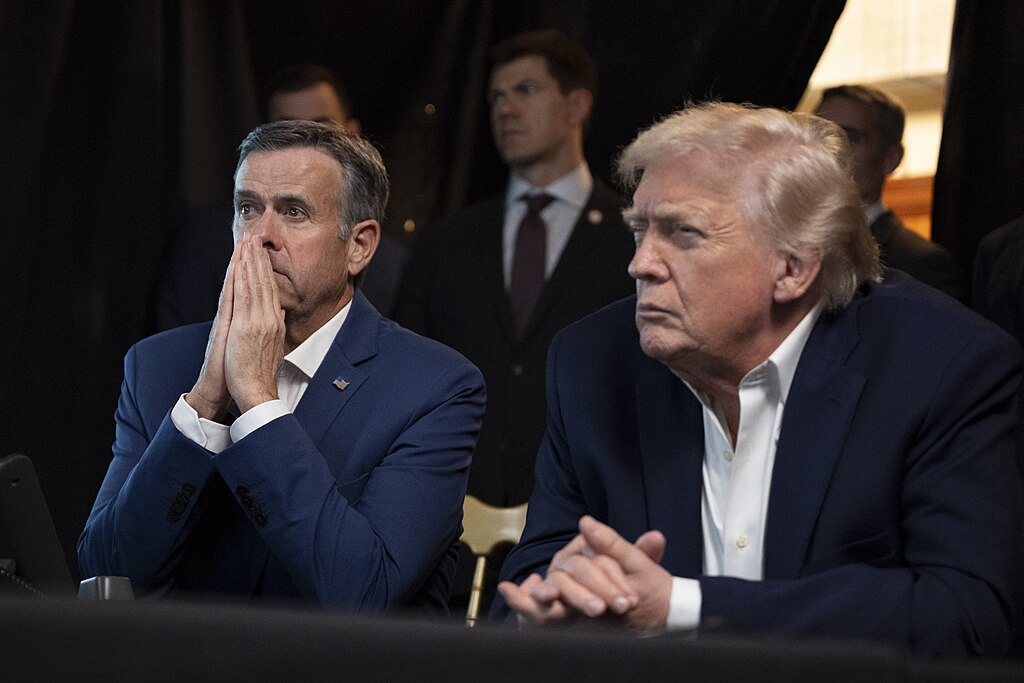
The Trump administration is reportedly proposing that countries pay as much as $1 billion to secure a seat on a newly envisioned international “peace board,” according to a Bloomberg News report published Saturday. The report cites a draft charter outlining the structure and financial expectations of the proposed body, which is said to be designed to influence global peace and security discussions under U.S. leadership.
According to the draft charter referenced by Bloomberg, United States President Donald Trump would serve as the inaugural chairman of the peace board. Member nations would be allowed to serve terms of no more than three years starting from the charter’s entry into force. However, those terms would be subject to renewal at the discretion of the chairman, a provision that could centralize authority within the role held by Trump.
The proposed $1 billion contribution requirement has already sparked significant attention, as it would represent an unprecedented financial barrier for participation in an international peace-focused body. While supporters may argue that such a structure ensures commitment and resources, critics could view it as exclusionary and politically motivated.
Reuters reported that it was unable to independently verify the details outlined in the Bloomberg News story. In response to Reuters’ inquiry, the U.S. State Department did not directly confirm or deny the reported $1 billion figure. Instead, the department referred journalists to earlier social media posts made by President Trump and his special envoy, Steve Witkoff, which discussed the peace board concept in broad terms but did not mention any specific financial requirements for member states.
At this stage, many aspects of the proposed peace board remain unclear, including its legal framework, enforcement powers, and international reception. The absence of official confirmation leaves open questions about whether the draft charter reflects a finalized policy direction or an early-stage proposal.
If implemented, the initiative could significantly reshape how the United States positions itself in global diplomacy, particularly under Trump’s leadership style, which has often emphasized transactional relationships and direct negotiation. As more details emerge, governments and international observers will be closely watching to assess the potential impact of this proposed peace board on global governance and international relations.







