


 Judge Orders Trump to Restore White House Access for CNN, MS NOW and Politico
  U.S. Imposes New Visa Restrictions Over South Africa Policies
  Trump, Xi Visit US National Archives After White House Summit
  Yemen Violence Displaces 130,000 as Civilian Toll Rises
  US Backs Musk in Fight Against EU’s €120 Million X Fine
  Trump Administration Removes Confederate Memorial Criticism From Arlington Website
  What ‘Taiwan Independence’ Means as Xi Presses Trump on US Policy
  Abbas Reaffirms November 28 Palestinian Elections
  Pezeshkian Says US Must Choose When Iran War Ends
  Australia Tightens Student Visa Rules, Targets Migration Cut by 2028
  Appeals Court Rejects Trump Third-Country Deportation Policy
  Sudan Rejects US Legitimacy Remarks, Defends Sovereignty
  US Bans Canadian Alcohol, Motorcycles as Trade War Escalates
  Nvidia-Groq AI Chip Deal Faces U.S. Antitrust Probe
  White House Bars CNN, MS NOW and Politico Reporters
  NATO Boosts Intelligence Sharing Amid Russia Hybrid Threats
  US Resumes Immigrant Visa Processing for Hungary, Poland


 Add as a preferred source on Google
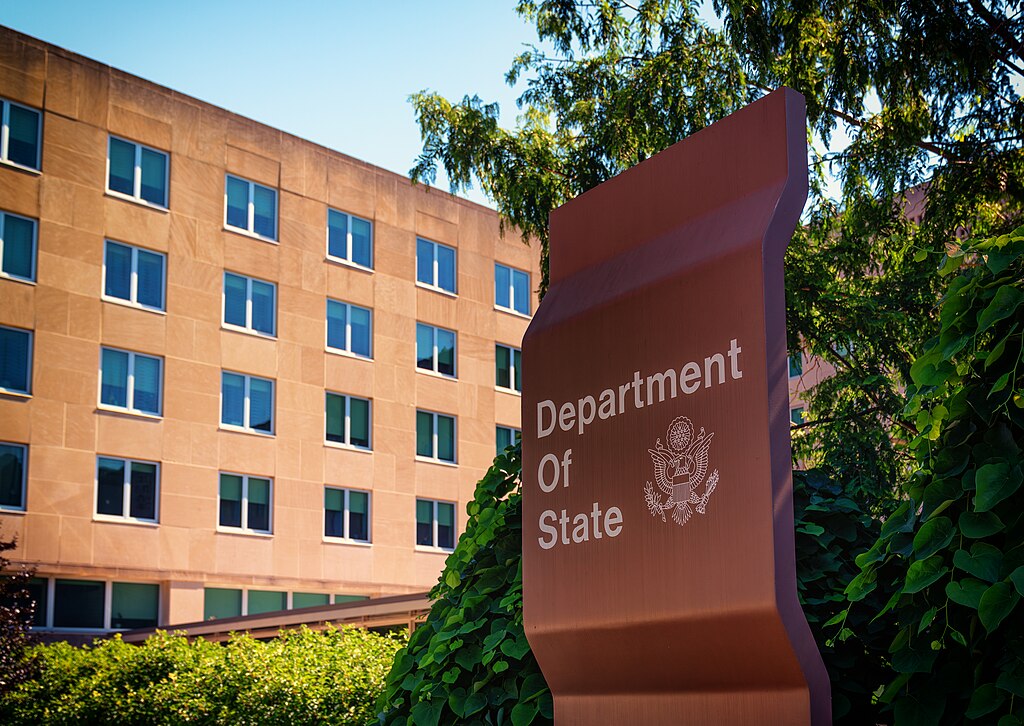
The U.S. government under President Donald Trump has expanded a controversial visa bond policy, adding 25 more countries to a list of nations whose citizens may be required to post a bond of up to $15,000 in order to apply for entry into the United States. According to information published on the U.S. State Department website on Tuesday, the total number of affected countries has now reached 38, with the policy for the newly added nations set to take effect on January 21.
The expanded list primarily includes countries from Africa, Latin America, and South Asia. Among them is Venezuela, which drew heightened attention after its former leader, Nicolas Maduro, was reportedly seized by U.S. forces over the weekend and brought to New York. The inclusion of Venezuela underscores the broader geopolitical and immigration-related tensions shaping U.S. policy under the Trump administration.
Under the program, citizens or nationals traveling on passports issued by any of the listed countries who are otherwise eligible for a B1/B2 visa for tourism or business purposes may be required to post a bond of $5,000, $10,000, or $15,000. The exact bond amount is determined during the visa interview process. Applicants must agree to the bond conditions and submit payment through Pay.gov, the U.S. Treasury Department’s official online payment platform.
The visa bond requirement was initially introduced as a State Department pilot program in August, targeting a smaller group of countries. U.S. officials have said the measure is designed to discourage visitors from overstaying their visas, a long-standing concern in immigration enforcement.
Since taking office last January, President Trump, a Republican, has pursued a hard-line immigration agenda. His administration has implemented aggressive deportation efforts, revoked visas and green cards, and expanded screening procedures, including reviews of social media activity and past public statements made by immigrants.
Human rights organizations have strongly criticized these immigration and travel policies, arguing that they undermine due process rights and restrict free speech. Trump and his supporters, however, contend that the measures are necessary to strengthen national security and ensure compliance with U.S. immigration laws.







