


 US Launches ‘Economic Onslaught’ Against Iran With New Sanctions
  Donald Trump’s North Korea Outreach Raises Asia Alliance Concerns
  Trump Floats ‘Lake America’ Rename as US-Canada Trade Tensions Deepen
  Trump Escalates Canada Trade War With 50% Tariffs
  Iran Vows Retaliation as U.S. Expands Sanctions Pressure
  Dan J. Sullivan Advances in Alaska Senate Race, Setting Up Name Confusion
  US Sailor’s Father Detained by Immigration Authorities
  Zelenskiy Sees U.S. Mediation Window for Ukraine Peace Through Summer 2027
  Israeli Strikes Kill Two in Gaza as Tensions Rise
  UK, France Pledge Stronger Military Support for Ukraine
  European Allies Seek to Reassure Pentagon as US Reviews Troop Presence
  US Cancels South Korea Military Drill Amid Iran War
  CIA Director John Ratcliffe Visits Moscow for Talks With Russian Officials
  Trump Administration Pauses Visa Appointments Worldwide
  US-Canada Tariff War Escalates With 50% Auto Duties
  North Korea Prepares More Troops for Russia, Seoul Says
  Prince Harry and Meghan Return to Britain With Children After Six Years in U.S.


 Add as a preferred source on Google
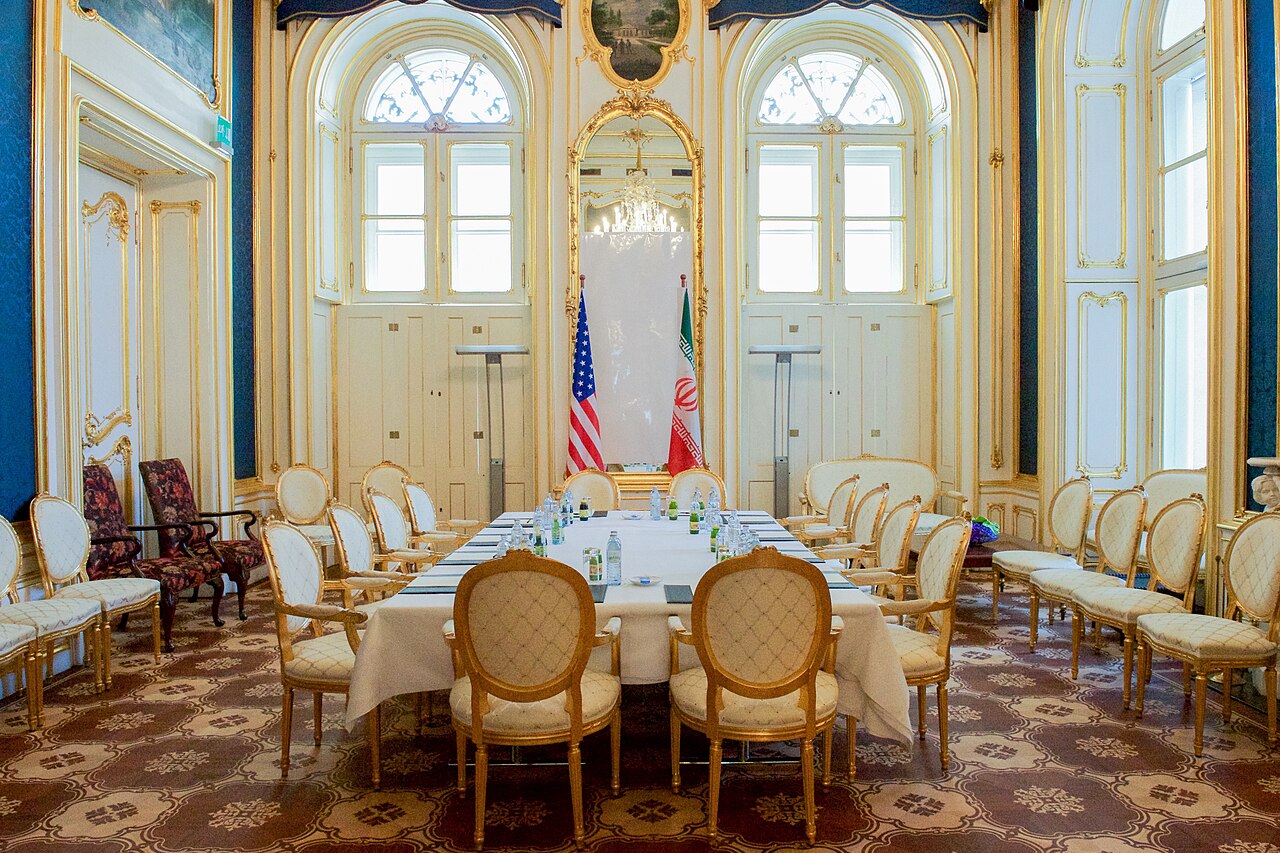
The Trump administration is growing increasingly skeptical about the prospects of reaching a long-term nuclear agreement with Iran, as U.S. officials push Tehran to prove it is honoring a temporary peace arrangement before broader negotiations move forward.
According to a Wall Street Journal report published Friday, senior U.S. officials have urged Iran to publicly reaffirm that the Strait of Hormuz remains open to commercial shipping and pledge to stop attacks on vessels passing through the strategic waterway. One U.S. official warned that Iran could face "serious consequences" if it does not make such a commitment by Saturday, although other officials declined to confirm a specific deadline.
The latest developments highlight rising concerns within the Trump administration that diplomacy alone may not be enough to secure an agreement aimed at preventing Iran from advancing its nuclear program.
President Donald Trump recently voiced his doubts about Tehran's commitment to negotiations, accusing Iran of repeatedly violating agreements. While reiterating that Iran would never be allowed to obtain a nuclear weapon under any future deal, Trump acknowledged uncertainty over whether a final agreement could ultimately be reached.
The current negotiations are based on an interim agreement reached in June, under which Iran agreed to restore safe commercial navigation through the Strait of Hormuz in exchange for financial relief. However, continued attacks on commercial shipping have raised concerns in Washington that Iran is failing to uphold its obligations, weakening confidence in the broader diplomatic process.
U.S. officials also stated that any permanent nuclear agreement would require Iran to relinquish control of its stockpile of highly enriched uranium. They emphasized that the United States continues to maintain military options to prevent Iran from accessing the material if negotiations break down.
The interim agreement provides a 60-day window for both sides to negotiate a permanent deal, with the possibility of an extension. This week, the Trump administration reimposed sanctions linked to Iran's oil exports and announced additional sanctions targeting Iranian businessman Ali Ansari and related entities after determining that Tehran had breached the temporary accord.
The Strait of Hormuz remains a critical focus for global energy markets, as renewed regional tensions continue to threaten one of the world's most important oil shipping routes and keep investors closely watching developments in U.S.-Iran relations.







