


 Microsoft Eyes $7B Texas Energy Deal to Power AI Data Centers
  Eli Lilly and Insilico Medicine Forge $2.75 Billion AI-Driven Drug Discovery Deal
  Annie Altman Amends Sexual Abuse Lawsuit Against OpenAI CEO Sam Altman
  Chinese Universities with PLA Ties Found Purchasing Restricted U.S. AI Chips Through Super Micro Servers
  Federal Judge Blocks Pentagon's Blacklisting of AI Company Anthropic
  Norma Group Posts Revenue Decline in 2025, Eyes Modest Recovery in 2026
  RBC Capital: European Medtech Firms Show Minimal Middle East and Energy Risk Exposure
  Ukrainian Drones and the #MadeByHousewives Movement: Kyiv Fires Back at Rheinmetall CEO
  BlackRock CEO Larry Fink Earns $37.7 Million in 2025 Amid Record Growth
  McDonald's and Restaurant Brands International Face Headwinds Amid Iran Conflict and Rising Costs
  Nike Beats Q3 Estimates but China Weakness and Margin Pressure Weigh on Outlook
  Nomura Upgrades PDD Holdings to Buy, Calls Stock Too Cheap to Ignore
  Russell 1000 Companies Hit $2.2T Cash Record While Aggressively Reinvesting in Growth
  SpaceX Eyes Historic IPO at $1.75 Trillion Valuation
  KPMG UK Cuts 440 Audit Jobs Amid Low Attrition and Cooling Professional Services Demand
  Cybersecurity Stocks Tumble After Anthropic's Claude Mythos AI Leak Sparks Market Fears
  Trump Administration Plans 100% Tariffs on Pharmaceutical Imports


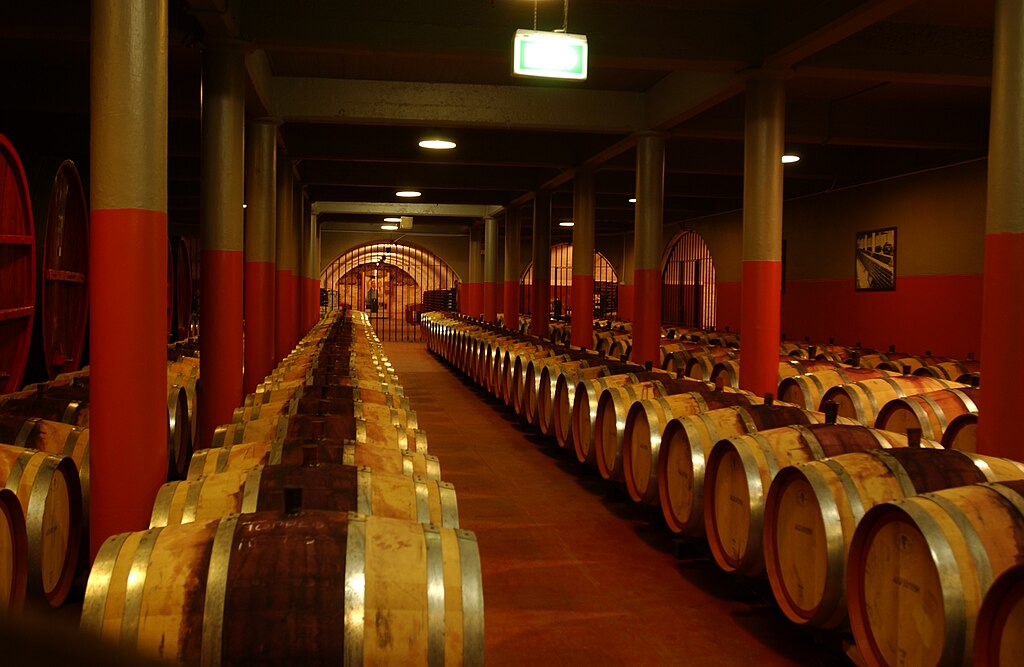
Shares of Treasury Wine Estates (ASX:TWE) fell sharply on Wednesday after the Australian wine giant warned of weaker near-term trading conditions in its two most important markets, the United States and China. The update rattled investors, sending the company’s Sydney-listed shares down as much as 17% to A$4.57, marking their lowest level since January 2015 and wiping significant value from its market capitalization.
Treasury Wine Estates said global wine category dynamics have softened in recent months, with demand conditions deteriorating more than previously expected. The company highlighted that any meaningful near-term recovery in the U.S. and China now appears unlikely, prompting management to flag substantial pressure on earnings in the first half of fiscal 2026. This outlook shift underscores the challenges facing premium wine producers amid changing consumer behavior, inventory imbalances, and distribution disruptions.
In response to the weaker demand environment, Treasury Wine announced plans to scale back shipment volumes to better align with lower depletion growth and to reduce elevated inventory levels held by customers in both the U.S. and China. The company forecast first-half fiscal 2026 earnings before interest and tax (EBIT) of between A$225 million and A$235 million, a steep decline from A$391.4 million reported in the same period last year. This earnings downgrade was a key driver behind the sharp sell-off in Treasury Wine Estates shares.
China remains a particular area of concern, with the company citing ongoing disruption from parallel imports that are undermining pricing for its flagship Penfolds brand. To address this issue, Treasury Wine said it would restrict shipments linked to parallel trade and reduce distributor inventories by approximately 0.4 million cases over a two-year period. In the U.S., weaker demand in California, combined with disruption caused by a distribution transition, has weighed on performance, with national depletions down year-to-date.
Adding to investor unease, Treasury Wine Estates also cancelled its on-market share buyback program of up to A$200 million, citing the need to preserve balance sheet flexibility. The company had completed A$30.5 million in buybacks earlier in the year. The decision highlights management’s cautious stance as it navigates challenging market conditions and seeks to protect long-term financial stability.







