


 Coty Revenue Beats Estimates as Beauty Demand Holds Firm
  Barclays Downgrades Renault as Cost Savings Challenges Grow
  Unitree Robotics Shares Soar Over 600% in Shanghai Market Debut
  SpaceX Hires Natural Gas Trader to Meet Growing Energy Needs
  Standard Chartered Expands Hedge Fund Access for Wealth Clients
  Alibaba Shares Fall as AI Spending Hits Profit
  REPAY Stock Rises After Visa Platform Connect Collaboration
  Goldman Sachs Names 9 Top Japanese Semiconductor and Electronics Stocks
  Nordson Stock Rises as Q3 Earnings Beat Estimates, Outlook Raised
  Moderna Short Sellers Hit With $4.8 Billion Loss as Stock Soars
  Unifor Reaches Tentative GM Deal for 4,600 Ontario Workers
  TikTok, DOJ Reach $400 Million Children’s Privacy Settlement
  Hyundai Motor Union Launches First Full Strike in Decade Over Wages, AI Job Risks
  Baidu Shares Sink to One-Year Low as Ad Weakness Overshadows AI Growth
  Anthropic IPO Could Challenge SpaceX’s Record $86 Billion Offering
  Samsung Eyes $72 Billion Shareholder Return Plan as AI Chip Boom Fuels Profits
  CK Hutchison Seeks $1.5 Billion From Panama Over Canal Ports


 Add as a preferred source on Google
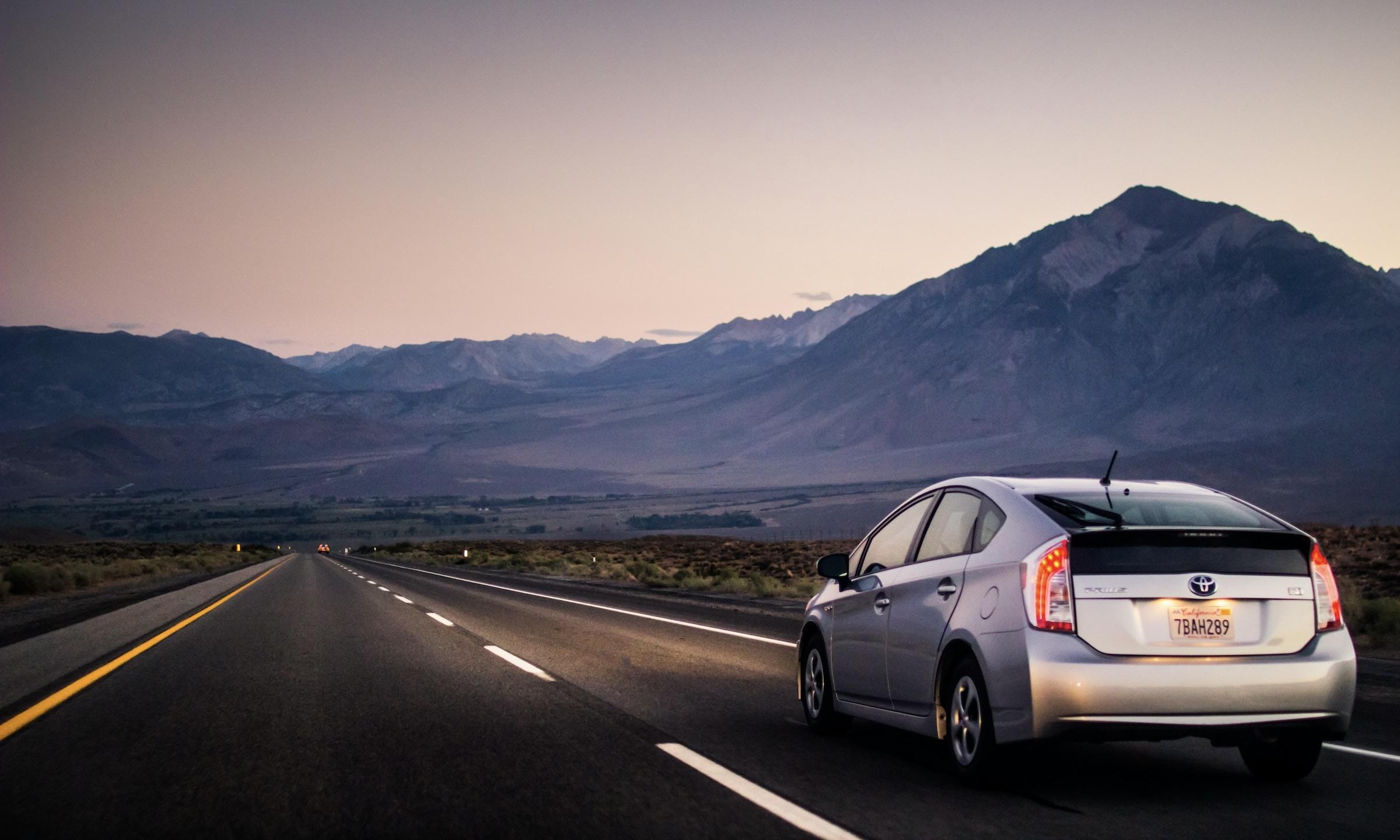
Japan’s Toyota Motor is pushing for the Indian government to slash taxes on hybrid vehicles by up to one-fifth. The automaker argues that hybrids are significantly less polluting than petrol cars but do not receive equivalent policy treatment.
According to a letter from Toyota to Prime Minister Narendra Modi’s Niti Aayog think-tank, the company plans to expand production capacity to meet the rising demand for hybrids in India, per Reuters.
Tax Differential and Emission Reduction
India imposes a tax of just 5% on electric vehicles (EVs) while levying up to 43% on hybrids, slightly below the 48% tax on petrol cars. Toyota contends that the 5-percentage-point differential in favor of hybrids over petrol cars is inadequate, considering the reduced emissions and improved fuel consumption that hybrids offer.
In the letter, Toyota suggests a tax rate of 37% on hybrids and 34% on flex-hybrids, equating to cuts of up to 14% and 21%, respectively.
India's government has concentrated its efforts on incentivizing the sales of EVs. Toyota, however, defends the importance of hybrids in markets lacking appropriate infrastructure for EVs, according to Asahi Shimbun.
While Indian giants Tata Motors and Mahindra & Mahindra support EVs, Toyota and Honda Motor advocate for hybrid vehicles. The automaker believes combining electrified and alternative energy options, including EVs and hybrids, is the "most optimal way" to reduce carbon emissions.
Toyota's Multi-Pathway Approach
Acknowledging the criticism from investors and climate groups, Toyota has begun developing EVs while continuing to champion hydrogen-powered cars.
The automaker asserts that a "multi-pathway" approach is necessary to address the climate crisis. India's tax structure and the utilization of comparatively pricier power-train components make hybrids "30%-35% costlier than its petrol counterparts," notes Toyota in its letter.
Besides tax reductions, Toyota urges India to include hybrid cars in a government incentive program that only benefits EV buyers. The automaker requests that the program be extended to hybrids, which would offer buyers discounts. Toyota did not comment on the specifics of the letter.
Still, it maintained that a comprehensive solution to carbon emissions requires a range of electrified and alternative energy options, including both EVs and hybrids.
Photo: Raivis Razgals/Unsplash







