


 Anthropic IPO Could Challenge SpaceX’s Record $86 Billion Offering
  Moody’s Affirms NVIDIA Aa1 Rating as AI Data Center Guarantees Reach $105 Billion
  SK Hynix Shares Surge on Record $28.6 Billion Buyback
  Moderna Short Sellers Hit With $4.8 Billion Loss as Stock Soars
  Barclays Downgrades Renault as Cost Savings Challenges Grow
  Japan Trade Deficit Widens as Imports Surge on Energy and AI Demand
  Unifor Reaches Tentative GM Deal for 4,600 Ontario Workers
  Wall Street Ends Higher as Crypto Stocks and Materials Rally
  US Plans ‘Toughest Sanctions in History’ on Iran, Bessent Says
  India PMI Rises as Services Offset Manufacturing Slowdown
  Peru Economy Grows 2.6% in Q2 as Private Investment Surges
  Canada Announces Dollar-for-Dollar Retaliation Against 50% U.S. Tariffs
  Asian Stocks Rise as Korea Tech Shares Rebound
  SEC Sues Former Tricolor Executives Over $1.9 Billion Investor Fraud Scheme
  29 US states are suing Meta. What might it mean for the rest of the world?
  Asian Stocks Rally as KOSPI, Nikkei Surge on Bond Market Relief
  Samsung Eyes $72 Billion Shareholder Return Plan as AI Chip Boom Fuels Profits


 Add as a preferred source on Google
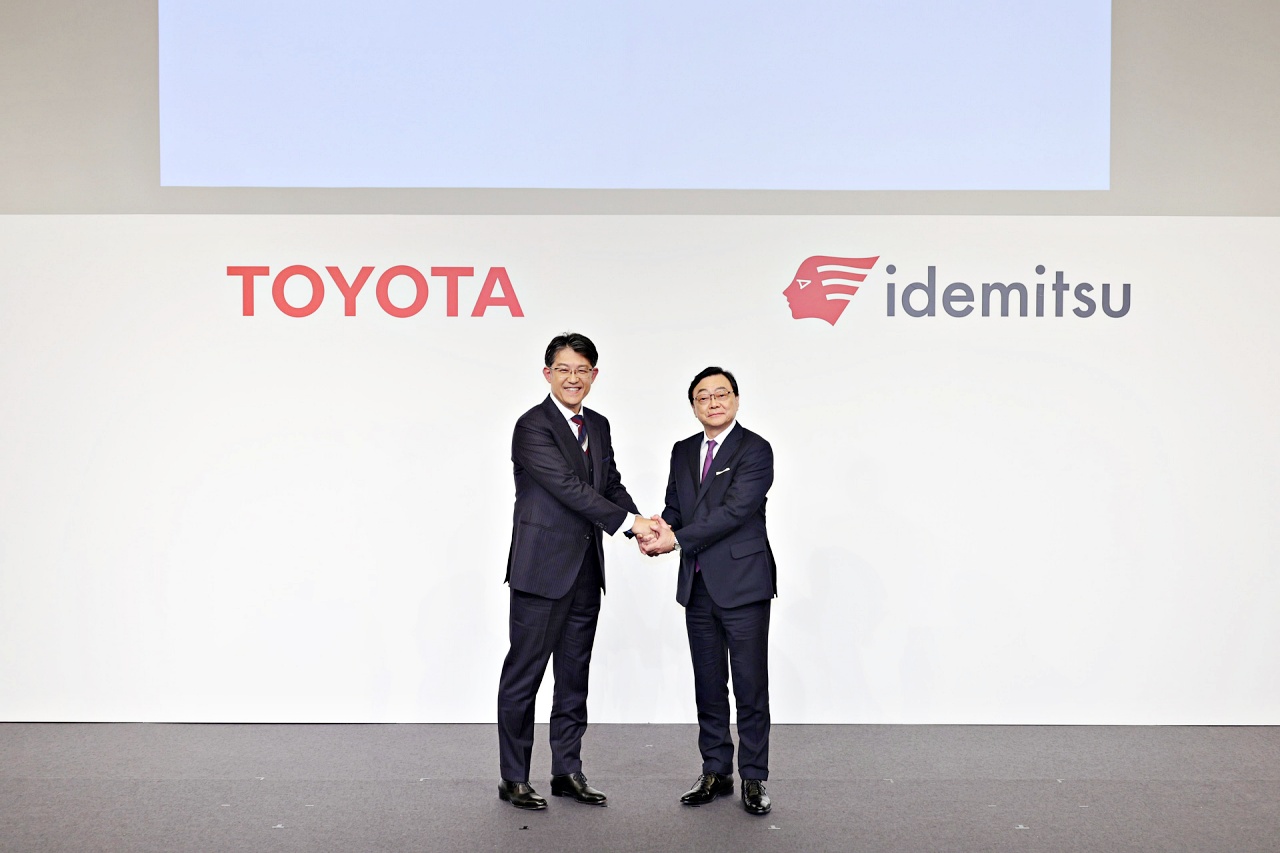
Toyota Motor Corp. and Idemitsu Kosan Company, Ltd have announced a strategic partnership to develop and mass-produce next-generation batteries for electric vehicles, aiming to revolutionize the EV sector.
Kyodo News reported that the deal between Toyota Motor and Idemitsu Kosan is part of the former's efforts to reach its goal of deploying ultramodern batteries for vehicles as early as 2027. For the mass production plan of batteries, the Japanese automaker's target is to start this in 2030.
Hope for EV Innovations
The partnership between the Japanese automobile manufacturer and petroleum firm comes as local competitors in the vehicle sector, such as Honda Motor Co. and Nissan Motor Co., have come rushing to develop all-solid-state batteries. These kinds feature advanced technology that can lead to broader use of EVs.
Currently, most EVs run on lithium-ion batteries, and Toyota and Idemitsu aim to produce something else that will improve driving and lower charging times, especially for long travels. Moreover, the partners plan to develop batteries with more power and reduce the charging time to around 10 minutes.
New Materials for Advanced Batteries
To achieve this, Toyota Motor and Idemitsu will try to use sulfide solid electrolytes. This material is considered necessary to bring off the high-capacity output of EV batteries.
"Idemitsu Kosan and Toyota Motor Corporation have agreed to collaborate on the mass production of solid-state batteries," Toyota Motor Corporation's president and chief executive officer, Koji Sato, said in a press release. "Our two companies will unite their strengths to mass-produce solid-state batteries and to realize innovations originating in Japan. We will create the future of mobility together. With this at heart, we will take on challenges and hope that you will look forward to what we will achieve."
Idemitsu Kosan's president, CEO, and representative director, Shunichi Kito, also commented, "Idemitsu will support Toyota's ability to realize the commercialization of all-solid-state batteries for battery EVs with technological strength through manufacturing and mass-producing the solid electrolytes used in such batteries. Our target for commercialization is 2027 or 2028. It means that the commercialization of solid-state batteries is a thing of the future that is now within reach."
Photo by: Toyota Press Release







