


 Samsung Electronics Posts Eightfold Profit Surge Driven by AI Chip Demand
  U.S. Automakers Push Back Against EU Rules Blocking American Trucks from European Market
  Bendigo and Adelaide Bank Posts Strong Q3 Earnings, Announces AI-Driven Job Cuts
  Pershing Square Bids €30.40 Per Share to Acquire Universal Music Group in $9.4B Deal
  Bank of America Identifies Top Asia-Pacific Semiconductor Stocks Poised for AI-Driven Growth
  Alibaba Shares Slide as Jefferies Slashes Price Target Over AI Spending and Business Losses
  Goldman Sachs, ANZ Cut Oil Forecasts Amid U.S.-Iran Ceasefire Hopes
  LG Electronics Posts Record Q1 Revenue Amid Strong Demand and Cost Improvements
  UAE's Largest Natural Gas Facility Suspended After Attack-Triggered Fire
  China's AI Stocks Surge as Zhipu and MiniMax Hit Record Highs
  Britain Courts Anthropic Amid US Defense Department Dispute
  UPS and Teamsters Reach Agreement to Limit Driver Severance Program
  Deere & Company Agrees to $99 Million Settlement Over Right-to-Repair Dispute
  Pony.ai, Uber, and Verne Launch Europe's First Commercial Robotaxi Service in Zagreb
  Kia Cuts EV Sales Target for 2030 Amid Slowing Demand and U.S. Policy Shifts


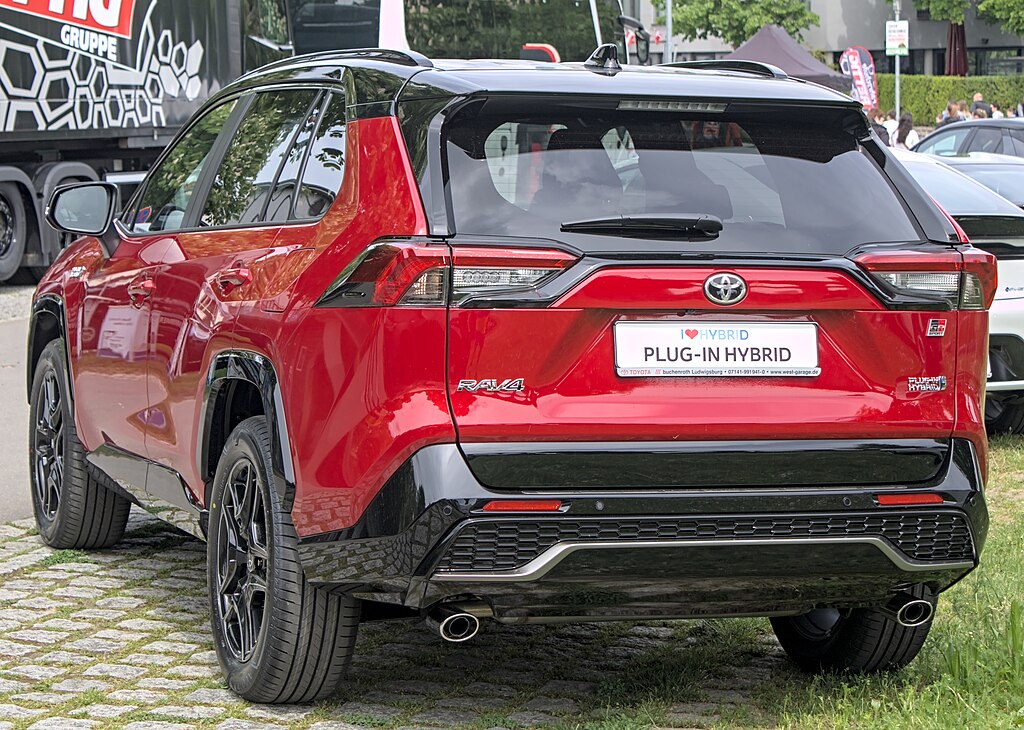
Toyota (NYSE:TM) has officially introduced its sixth-generation RAV4, marking a significant step in the company’s push toward software-defined vehicles. The 2025 RAV4 will be the first Toyota model to incorporate the company’s proprietary Arene software platform, enabling advanced cockpit voice control, an upgraded multimedia interface, and improved safety technologies.
According to Simon Humphries, Toyota’s Chief Branding Officer, the new RAV4 represents “a start in our journey in building software-defined vehicles.” The integration of Arene is a major leap forward in Toyota’s vehicle digitization strategy, aligning with broader trends in the auto industry where software innovation is becoming central to competitiveness.
Launched in 1994, the RAV4 has been one of Toyota’s best-selling SUVs globally, with over one million units sold in 2024 alone. The latest model will be available in North America, Japan, and Europe within the fiscal year ending March 2026.
The new RAV4 lineup includes hybrid and plug-in hybrid (PHEV) variants, with the PHEV offering an all-electric driving range of up to 150 kilometers (93 miles) on a full charge—an attractive option for eco-conscious consumers seeking fuel efficiency without full EV adoption.
In a strategic shift to mitigate the impact of U.S. tariffs on imported cars, Toyota is reportedly exploring the possibility of manufacturing the updated RAV4 in the United States, moving away from previous plans to rely on production in Japan and Canada. The current RAV4 is built across facilities in Kentucky, Japan, and Canada.
This move underscores Toyota’s broader efforts to localize production and strengthen its global supply chain resilience. While the company has yet to confirm final production decisions, the new RAV4 is expected to play a key role in its evolving electrification and software integration roadmap.







