


 Hyundai CEO Warns Chinese Automakers Could Disrupt US Market
  Rosenblatt Starts Nokia at Buy on AI Networking Growth
  Qualcomm Gains on $60B Amazon AI Chip Deal
  AI is supercharging money scams – here’s what you can do to protect yourself
  Big AI wants to slow down AI research. Is it a safety pause or a strategic retreat?
  Meta Partners With Shopify to Bring Shop Pay Checkout to Muse AI
  DOJ Will Investigate AI-Related Crimes, Attorney General Blanche Says
  Scott Bessent Eyed as Trump’s New AI Czar
  Trump Plans Federal AI Force and AI Czar
  MediaTek Unveils 2nm Dimensity 9600 Pro AI Chip
  NASA, Boeing Discuss Expanding Starliner Missions
  SK Hynix, Intel Discuss U.S. Memory Chip Production Deal
  OpenAI Urges US-Led Global Standards for Frontier AI
  US Federal Register Drops Alibaba Qwen AI Search Tool
  Guterres Urges Stronger Global AI Safeguards Ahead of UN Assembly
  SpaceX Nasdaq 100 Weight to More Than Double in Rebalance
  Japan, U.S. Discuss $19 Billion GlobalFoundries Chip Plant


 Add as a preferred source on Google
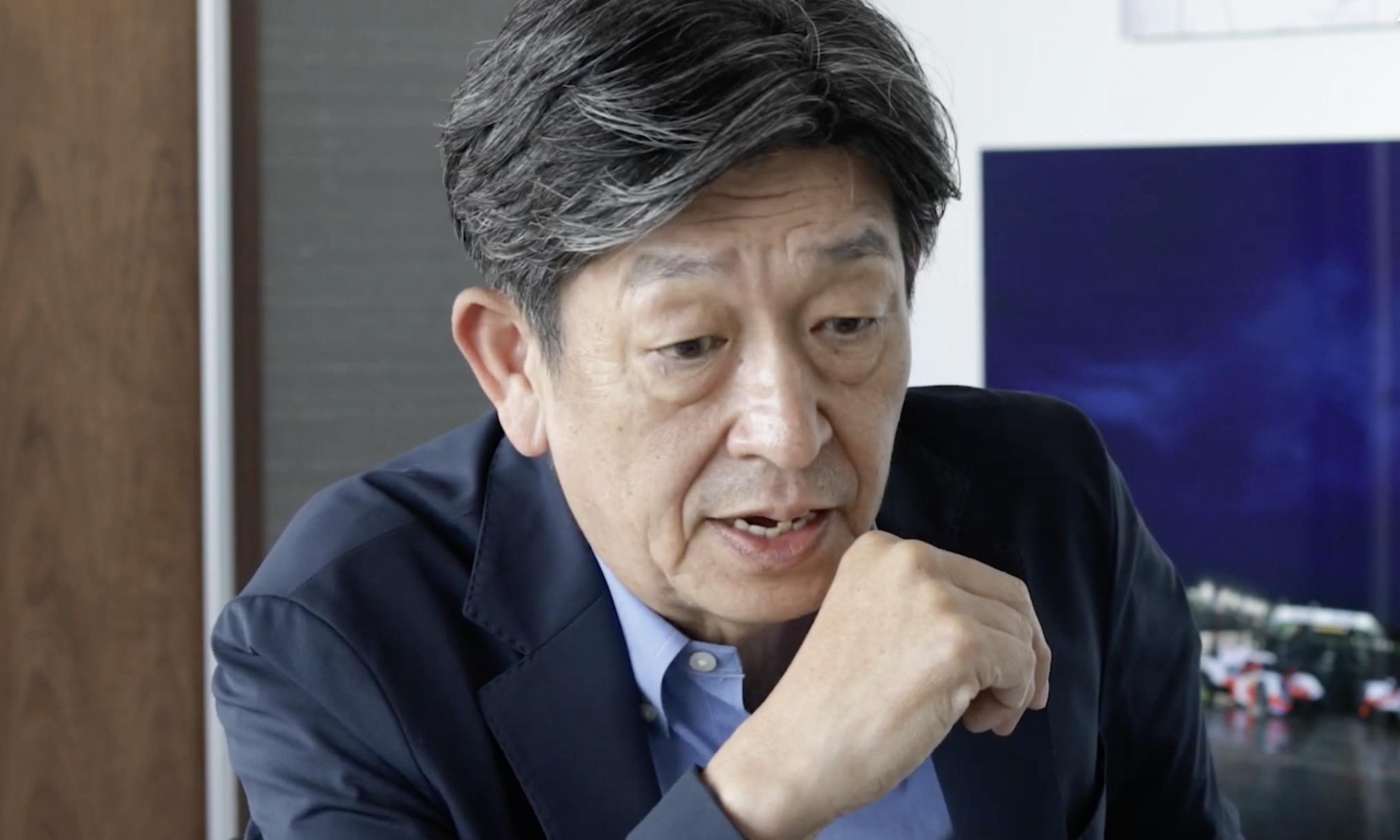
Toyota executive Ted Ogawa has publicly questioned the financial wisdom of a swift transition to fully electric vehicles (EVs), advocating instead for a balanced approach that includes purchasing emissions credits to meet climate goals. According to Ogawa, the current market demand does not justify the massive investment required for a complete shift to EVs.
Toyota's Ogawa Prioritizes Customer Demand Over Full EV Shift, Questions Investment Value
Ogawa argued that funds would be more effectively allocated towards emissions credits to achieve climate objectives.
"Wasted investment is worse than the credit purchase," Ogawa said, according to Automotive News.
Ogawa believes that the present demand for electric vehicles is insufficient to support a comprehensive transition from gas-powered and hybrid vehicles to electric cars. As he explained:
"Again, our starting point is what the customer demand should be. So, for example, 2030 regulations said the new-car market, more than half of 'it should be BEV, but our current plan is like 30%."
Ogawa further asserted that, notwithstanding the EPA's reevaluation of the EV regulations and potential modest reversal thereof, it is presumably more prudent from a business standpoint to consider customer preferences, which diverge from those of the agency:
"I know that EPA is now reconsidering what the regulation level should be…We are respecting the regulation, but more important is customer demand."
Toyota Balances EV Development with Realism Amid Industry's Rush Toward Electrification
Further expounded upon this notion, asserting that the organization would be better off procuring credits from other automotive manufacturers as opposed to enduring a "wasted investment" in which, for instance, it would invest billions in electric vehicle (EV) development, including battery production, to qualify for U.S. incentives.
Teslarati reports that Toyota has already established its premier U.S. facility in Kentucky and has committed to a $1.3 billion EV development offensive.
Toyota Australia's VP of Sales and Marketing, Sean Hanley, said earlier this year that the company's skepticism regarding EVs is not an "anti-EV" stance. Still, it is simply the company "being real."
"Toyota's not anti-EV. We're actually not. And we want to play in that market. We want to be part of it. We're excited by it. We just don't see it as the golden bullet or the single golden bullet towards carbon neutrality," Hanley said. "Some interpret it as Toyota being anti-BEV. No, we're not. We are just being real. We're being honest with the market and the position."
Toyota's argument is intriguing, considering where other companies have been led by committing to more aggressive EV efforts. Climate objectives are, on the one hand, what the EPA considers crucial to achieving climate goals. Conversely, globally, the most prominent corporations are in precarious financial situations and reversing their investments.







