


 Qantas Near-Miss Raises Sydney Air Traffic Controller Fatigue Concerns
  US Tech Giants’ AI Bond Boom Raises Euro Zone Borrowing Risks
  Chinese AI Stocks Rally After OpenAI Launches GPT-6 Astra
  GSM Eyes US, Europe Expansion Ahead of 2028 Hong Kong IPO
  OpenAI Launches GPT-6 Astra With Advanced AI Agent Capabilities
  Xiaomi Shares Jump on Europe EV Expansion Plan
  Tesla Cybercab Launch Puts Robotaxi Ambitions in Focus
  Adobe Names Anil Chakravarthy CEO as AI Push Accelerates
  SpaceX Mobile Network Could Cost Up to $130 Billion, Bernstein Says
  Nvidia Eyes $2.5 Billion Investment in Thinking Machines Lab
  Thomson Reuters C-Track Cyberattack Hits Courts Across U.S. and Canada
  MongoDB Stock Sinks 14% as Atlas Growth Misses Expectations
  PayPal Shares Sink as $50 Billion Takeover Bid Collapses
  Anthropic IPO Marketing Expected to Start in Mid-October
  Shein Shares Drop 5% After Weak Hong Kong IPO Debut
  Google Changes EU Spam Policy Amid Antitrust Scrutiny
  SEC Seeks ISS Client Voting Records in Proxy Adviser Probe


 Add as a preferred source on Google
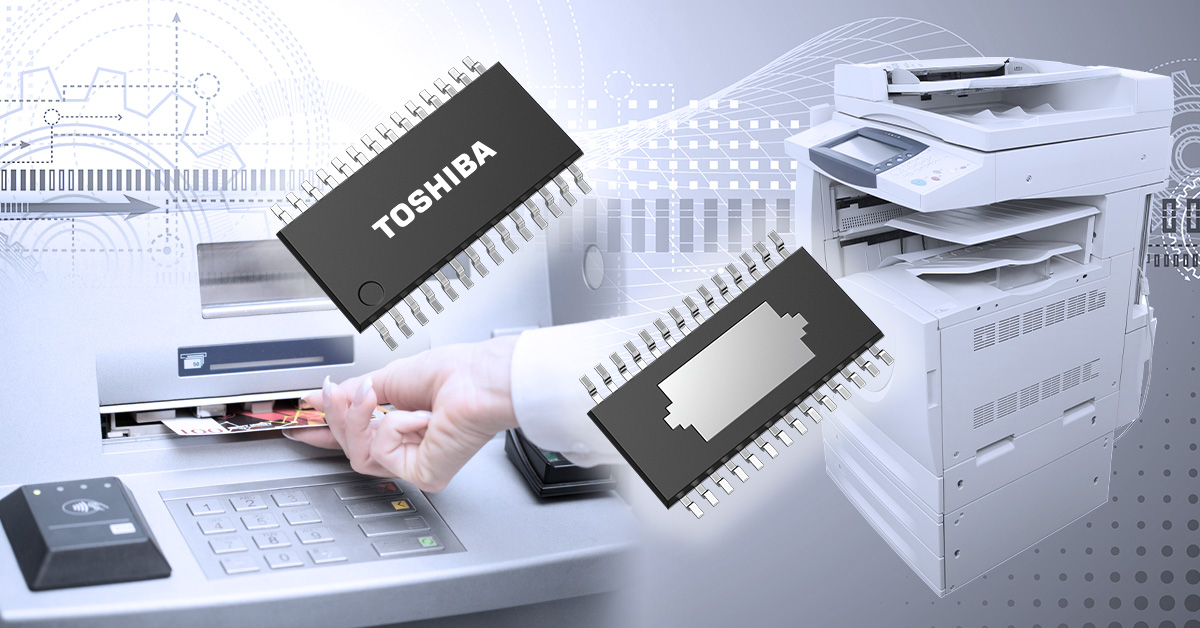
After a tumultuous period of scandal and upheaval, Japanese conglomerate Toshiba was delisted from the Tokyo exchange on Wednesday, marking the end of its 74-year run. This development follows a decade of challenges, culminating in a buyout by a group of investors led by private equity firm Japan Industrial Partners (JIP).
Reuters reported that the buyout, valued at $14 billion, signals a new chapter for Toshiba as it transitions into the hands of private investors.
A New Future Begins
Toshiba's delisting paves the way for a fresh start as the company takes a significant step toward an uncertain future with new shareholders. The conglomerate expressed gratitude for continuous understanding and support from stakeholders, emphasizing its commitment to forging a path forward, as per The Economic Times.
Under the stewardship of Chief Executive Taro Shimada, who will retain his position following the buyout, Toshiba is expected to focus on high-margin digital services. This move aligns with the support extended by Japan Industrial Partners, which had initially planned to collaborate with a state-backed fund. Industry insiders speculate that splitting up Toshiba may be a favorable alternative.
The Fallout from Bad Decisions
Damian Thong, head of Japan research at Macquarie Capital Securities, attributed Toshiba's difficulties to a combination of poor strategic decisions and unfortunate circumstances. Divestitures may offer a fresh start, unleashing the full potential of Toshiba's assets and human talent elsewhere.
Given Toshiba's significant workforce of approximately 106,000 people and the critical nature of some of its operations to national security, the Japanese government will closely monitor the situation. As part of the new management team, executives from Japan Industrial Partners, Orix, and Chubu Electric, along with a senior adviser from Sumitomo Mitsui Financial Group, will join the board.
Expanding Horizons and Emergence
Toshiba has wasted no time in seeking new opportunities. Already collaborating with Rohm, the company has invested $2.7 billion in manufacturing facilities for joint production of power chips. To improve profitability, Toshiba aims to exit lower-margin businesses and implement more robust commercial strategies around its advanced technologies, according to Ulrike Schaede, a professor of Japanese business at the University of California, San Diego.
Photo: Toshiba Newsroom







