


 Trump Signs Executive Order Targeting Big-Money College Athlete Payouts
  Oil Prices Rise as U.S.-Iran Talks Fuel Diplomacy Hopes
  Milei Pushes for Formula 1 Return to Argentina
  Petrobras Joins Brazil’s New Diesel Subsidy Program
  World game at war: why some European nations have threatened a World Cup boycott
  FIFA Defends Balogun Ban Suspension After Trump Praise Sparks World Cup Controversy
  Volkswagen Shares Slide After 2026 Profit Outlook Cut
  Europe Jet Fuel Deficit Drives South Korean Imports to Four-Year High
  White House Bars CNN, MS NOW and Politico Reporters
  U.S. Plans $115 Million Counter-Drone Investment to Secure FIFA World Cup and Major National Events
  Trump’s U.S. Open Visit Delays Final, Fans Face Long Security Lines
  Vietnam, US Trade Deal Could Be Signed Soon, To Lam Says
  JD Vance to Lead U.S. Presidential Delegation at Milano Cortina Winter Olympics Opening Ceremony
  fnny Beta Launches With a Simple Idea: Find an Event, Show Up, Get Rewarded
  Prysmian, Rio Tinto Supply Low-Carbon Cables for Amazon Ohio Data Center
  Asia Stocks Rise on AI Demand as Oil Eases
  UK Home Asking Prices Rise for First Time Since May


 Add as a preferred source on Google
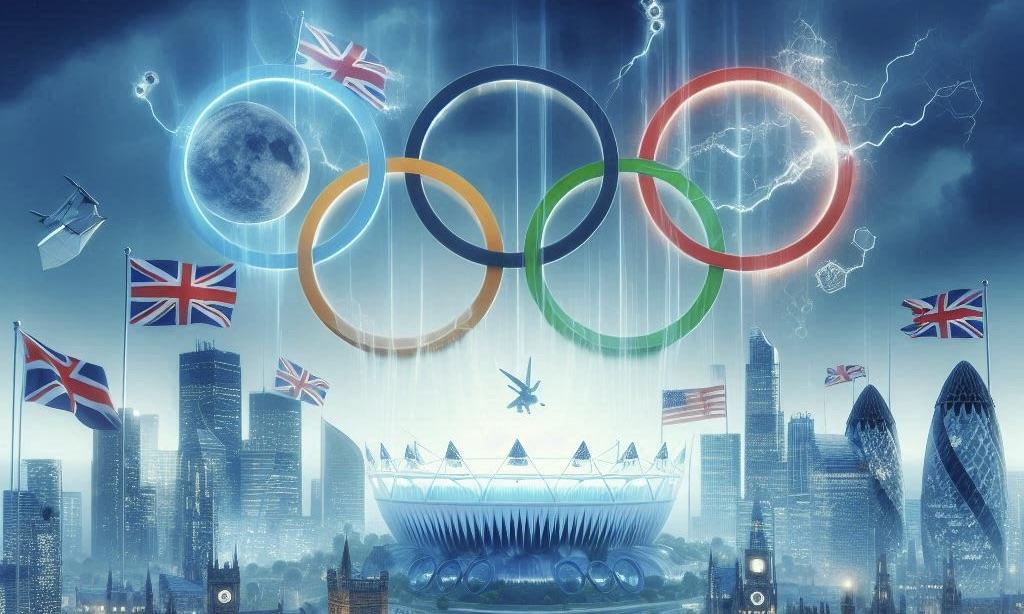
Hosting the Olympics is an honor that comes with a hefty price tag. The economic commitment required to organize the Games often leads to astronomical expenses, with countries investing billions in infrastructure, facilities, and logistics. Here is a closer look at the top five countries that spent the most when hosting the Olympics, along with the staggering figures involved.
1. Japan (Tokyo 2020) - $15.4 Billion
Japan's investment in the Tokyo 2020 Olympics, delayed until 2021 due to the COVID-19 pandemic, reached an astounding $15.4 billion. Despite the lack of spectators, which severely impacted anticipated revenue, the cost covered extensive infrastructure upgrades, including new venues, transportation improvements, and the implementation of cutting-edge technology. The event was marked by stringent health protocols, adding to the overall expenses.
2. China (Beijing 2008) - $45 Billion
China’s Beijing 2008 Olympics is one of the most expensive in history, with total expenditures reaching approximately $45 billion. The investment included the construction of iconic structures such as the Bird’s Nest stadium and the Water Cube, along with significant improvements to the city's public transportation system. The Beijing Games set a new standard for Olympic grandeur, reflecting China's growing global influence and economic power.
3. Russia (Sochi 2014) - $51 Billion
Russia's Sochi 2014 Winter Olympics holds the record for the most expensive Winter Games ever, with a staggering expenditure of $51 billion. The investment was directed towards building state-of-the-art sports facilities, extensive infrastructure projects, and security measures. The Sochi Games were part of Russia’s broader strategy to showcase its resurgence on the world stage despite controversies surrounding cost overruns and corruption allegations.
4. United Kingdom (London 2012) - $14.6 Billion
The London 2012 Olympics cost the United Kingdom $14.6 billion, making it one of the most expensive Summer Games. Investment revitalized East London, mainly through constructing the Olympic Park and developing new housing and commercial spaces. London's strategic planning and legacy-focused approach aimed to ensure long-term benefits for the city, promoting economic growth and urban regeneration.
5. Brazil (Rio 2016) - $13.1 Billion
Brazil's expenditure on the Rio 2016 Olympics totaled around $13.1 billion. The funds were used to build new sports venues, improve transportation networks, and enhance urban infrastructure. Despite economic and political challenges, Brazil aimed to leverage the Games to boost tourism and international investment. However, post-Olympics, some facilities have faced issues with underutilization and maintenance.
Economic Impact and Financial Implications
The financial commitment to hosting the Olympics is immense, and while it brings short-term economic boosts and long-term infrastructure improvements, it also carries significant risks. Cost overruns, underutilized facilities, and maintenance expenses can burden host cities for years. Moreover, the anticipated economic benefits may not always materialize as projected, leading to debates about the actual value of hosting the Games.
For future host cities, the key to maximizing the benefits of hosting the Olympics lies in strategic planning, effective legacy use of infrastructure, and sustainable investment. The International Olympic Committee (IOC) has introduced measures to make hosting more feasible, encouraging using existing facilities and promoting sustainability to mitigate financial risks.
The economic impact of hosting the Olympics varies widely, with some countries successfully leveraging the Games for long-term growth while others struggle with the financial aftermath. As cities continue to vie for the honor of hosting the Olympics, the lessons learned from past hosts underscore the importance of careful planning and realistic financial forecasting. Hosting the Olympics can be a double-edged sword, offering significant opportunities and substantial challenges.







