


 Gold Slides to $4,262 as Hawkish Fed Rate Hike Triggers Technical Breakdown
  Hawkish Fed Fuels Gold Sell-off: Gold Dives Below $4300 Amidst Rate Hike Fears
  Apple Pay Set for India Launch With Axis Bank
  Big AI wants to slow down AI research. Is it a safety pause or a strategic retreat?
  FxWirePro- Crypto Weekly Alpha: ETF Rebounds, L2 Rallies & Key Resistance Levels
  SpaceX Nasdaq 100 Weight to More Than Double in Rebalance
  fnny Beta Launches With a Simple Idea: Find an Event, Show Up, Get Rewarded
  Nvidia CEO Jensen Huang Expected at Trump-Xi State Dinner
  China’s robots can run faster than Usain Bolt – now they are being prepared for war
  Trump Plans Federal AI Force and AI Czar
  Burnham Eyes UK Leadership Role in AI Ahead of Trump Meeting
  Meta Partners With Shopify to Bring Shop Pay Checkout to Muse AI
  Physicists zoom into the birth of cosmic rainstorms with new CERN study
  China Reviews Broadcom Switch Use in State Data Centres


 Add as a preferred source on Google
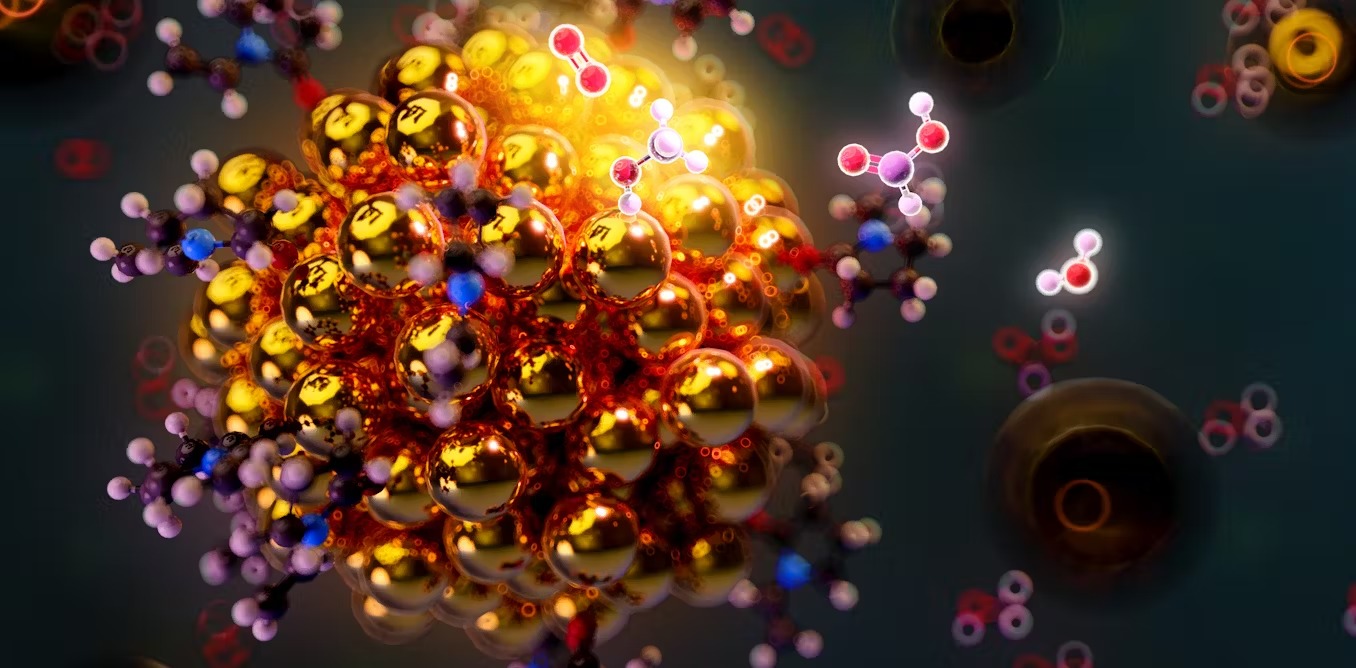

Nanotechnology is the use of materials that are one-billionth of a metre (a nanometre) in size. One of its potential uses is to clean up whatever is contaminating water supplies. Analytical chemist Philiswa Nomngongo, a leading researcher in nanotechnology for water in South Africa, tells The Conversation Africa what kinds of devices are being produced with nanotechnology and what they can do.
What is nanotechnology?
Nanotechnology is the branch of science and engineering that is devoted to designing new materials or devices that have unique physical and chemical properties because of their tiny size. It involves manipulating atoms and molecules at nanoscale.
What are South Africa’s main water contamination problems?
Water pollution in South Africa, as in other developing countries, poses a significant health and economic threat. South Africa’s Department of Water and Sanitation’s 2023 Blue Drop Audit Report found that 46% of the country’s water was polluted by bacteria or germs that cause illness and nearly 68% of sewage treatment works were on the point of failure.
The kinds of pollution found in South Africa’s water are largely due to:
-
wastewater treatment failures
-
water from industrial and agricultural activities that runs off into water sources
-
waste that hasn’t been disposed of properly and ends up in rivers
-
industrial activities that release heavy metals into water
-
natural sources of heavy metals
-
insufficient access to clean water.
Contaminants of emerging concern are also a major problem in South Africa’s water supplies. They include:
-
pharmaceuticals (medicines) and personal care products (soap, shampoo and others)
-
pesticides from farming
-
cyanotoxins (toxic substances that are produced by blue-green algae)
-
endocrine-disrupting chemicals (they interfere with the normal functioning of natural hormones of the body, causing problems like infertility).
Contaminated water can cause ill health. Ill health then disrupts education and strains the healthcare system. The result is even more inequality between people who have clean water and those who don’t.
How can nanotechnology help?
Monitoring water quality is very important. To find solutions, we first need to know what the problem is. Most of South Africa’s water contamination problems stem from inadequate monitoring. So, my research group and researchers in the Department of Chemical Sciences at the University of Johannesburg are using nanotechnology to identify the problems in different sources, like wastewater or river water – even in remote rural areas.
These are some of the ways in which nanotechnology can help find problems in our water supplies and fix them:
-
Sensors: for example, tiny materials can be modified with a biological element (like enzymes or DNA) to rapidly detect and analyse what is contaminating water.
-
Membranes made up of tiny materials that can sample the water and trap and remove pollutants at the same time.
-
Photocatalytic materials that activate chemical reactions when they are exposed to light and break down polluting substances.
This technology can help countries meet the United Nations’ sustainable development goal six: achieving clean and available water and sanitation for all.
Why is South Africa not already using nanotechnology to clean water?
The main challenges are the costs of setting up nanotechnology systems, building technology that can work on a huge scale, and integrating it into existing water treatment systems. Some nanomaterials are very expensive.
We aren’t sure yet how durable nanomaterials are in water. Over time, chemicals and changes in acidity levels and water temperature affect the materials, making them less effective at removing pollutants. If nanomaterials break apart, more tiny particles could be released into the water, which would be another form of environmental pollution.
The technology is being used successfully in India and China’s water systems, however. They are leading in research and development in this field, with some commercialisation already underway. The United States, Germany, Switzerland and France are also exploring the use of nanotechnology in water.
What needs to happen next?
Ideally South Africa would have decentralised water treatment systems that use nanotechnology. This would reduce the need for costly piping and infrastructure. It could benefit rural areas.
But first we need to be able to make nanomaterials on a large scale and cost effectively. My research group is currently researching how to make them out of abundant and low-cost raw materials such as agricultural waste and plastic waste.
We have used the ash from coal-fired power plants and sugarcane bagasse (the fibre left over after the juice is extracted) to prepare nanomaterials that are dotted with tiny holes to absorb pollution.
We’ve used old acid mine drainage to make magnetic nanoparticles that attract and absorb heavy metal pollution.
These efforts are paving the way for the rollout of nanotechnology in South Africa’s water systems.







