


 SoftBank Shares Slide After Arm Earnings Miss Fuels Tech Stock Sell-Off
  Toyota’s Surprise CEO Change Signals Strategic Shift Amid Global Auto Turmoil
  OpenAI Expands Enterprise AI Strategy With Major Hiring Push Ahead of New Business Offering
  Trump Backs Nexstar–Tegna Merger Amid Shifting U.S. Media Landscape
  Sony Q3 Profit Jumps on Gaming and Image Sensors, Full-Year Outlook Raised
  Amazon Stock Rebounds After Earnings as $200B Capex Plan Sparks AI Spending Debate
  Washington Post Publisher Will Lewis Steps Down After Layoffs
  Ford and Geely Explore Strategic Manufacturing Partnership in Europe
  FDA Targets Hims & Hers Over $49 Weight-Loss Pill, Raising Legal and Safety Concerns
  CK Hutchison Launches Arbitration After Panama Court Revokes Canal Port Licences
  Baidu Approves $5 Billion Share Buyback and Plans First-Ever Dividend in 2026
  SpaceX Prioritizes Moon Mission Before Mars as Starship Development Accelerates
  SpaceX Pushes for Early Stock Index Inclusion Ahead of Potential Record-Breaking IPO
  TSMC Eyes 3nm Chip Production in Japan with $17 Billion Kumamoto Investment
  Tencent Shares Slide After WeChat Restricts YuanBao AI Promotional Links
  Missouri Judge Dismisses Lawsuit Challenging Starbucks’ Diversity and Inclusion Policies
  American Airlines CEO to Meet Pilots Union Amid Storm Response and Financial Concerns


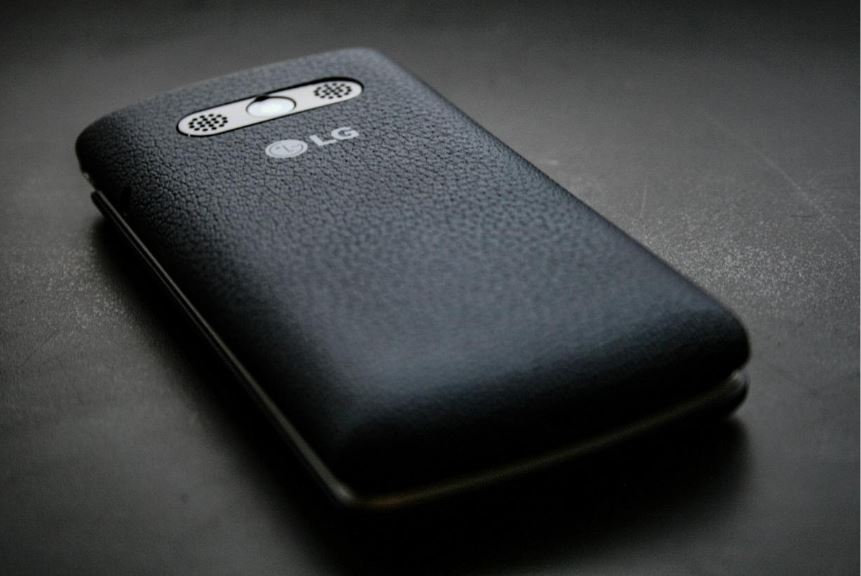
Foldable devices were once a thing of the past, but it turns out they’re making a comeback. The models for smartphones, whether they’re Apple or Android, have remained the same since they were released— rectangular, flat surfaces with a touch screen. Now, it looks like tech giants are looking to shake up the market by bringing back the original mobile device.
Let’s break down the trends and the trendsetters, in the not-so-new world of foldable devices.
There Are Pros & Cons
Foldable devices are looking to make a comeback that promises the convenience of portability when closed, combined with a large screen whenever you need to complete a complex task.
Like all innovations in technology, there are potential setbacks that need to be addressed before products can be launched. Previously, some companies were finding it difficult to ensure their first batch of devices were durable enough to withstand the rigor of our everyday lives. Let’s see how they stack up in the frontier of the new decade.
Who’s Leading the Charge?
Samsung went ahead with a second attempt at a foldable device, after last year’s Galaxy Fold. Their new model — the Galaxy Z Flip — opens to show a 6.7-inch display, featuring a razor-thin layer of glass with a more polished feel than its predecessor. It fits seamlessly into a pocket, and the 1.1-inch front display is large enough to read the time and any incoming messages or calls.
One of Samsung’s competitors, Motorola, is bringing back its iconic razor flip phone with a modern twist. This time around the device is a foldable smartphone — featuring a 6.2-inch flexible OLED panel and a front screen capable of taking photos without opening the device. Motorola claims their phone is more durable than the Galaxy Z Flip.
The Royole FlexPai is making a name for itself amongst the bigger players. It was the first foldable smartphone released to the public, debuting more than a year ago. It features a 7.8-inch AMOLED screen, two cameras, and 128GB of storage in its developer model. It’s lightweight, can be made full-screen and phone-sized, and boasts intelligent software.
What Developers Need to Know
For business owners looking to develop a new app, there are a few key things to take into consideration. While these devices offer users a more immersive experience thanks to their screen size, developers will need to be able to adjust their display as the screen changes. Continuity will become a top priority.
Apps for these devices will need to be multi-window, as drag and drop options become more viable tools to utilize. The functionality of the app will need to be accounted for in both states of the phone, while ensuring a quality product that resists wear and tear. Keeping these factors in mind when developing for foldable devices will ensure you’re creating a user-friendly experience, leading your customers to become advocates for your app.
As tablets and phones begin to merge into the new category of foldable phones, this will vastly change user interfaces and how they will be developed in the future. Mobile apps will require optimization in order to accommodate the sudden change from folded and unfolded UI, but with Android in particular already facing different screen sizes in its various third-party devices, this could pose a challenge.
DSCC (Display Supply Chain Consultants) forecasted last year that 60 million units can be expected to be shipped by 2022, but that we can look to Apple to create a more streamlined version that will likely hit the market with fewer bugs in the earliest stages of development.
App developers (especially in the Android field) will have an uphill climb, but if your business wants to offer the next big app, you should pair with a lean and limber development team that works closely with clients rather than a large firm that simply operates as an app factory.
A smaller team will be committed to your vision at every stage, and will ensure that you’re kept in the loop from the wireframing to testing, launch, and QA after the fact. A company that stands by your vision is the best option you have.
Partner with the right designer, and your foray into the foldable future will be a bright one.
This article does not necessarily reflect the opinions of the editors or management of EconoTimes













