


 Dollar Steadies Ahead of ECB and BoE Decisions as Markets Turn Risk-Off
  Singapore Budget 2026 Set for Fiscal Prudence as Growth Remains Resilient
  Silver Prices Plunge in Asian Trade as Dollar Strength Triggers Fresh Precious Metals Sell-Off
  Bank of Japan Signals Cautious Path Toward Further Rate Hikes Amid Yen Weakness
  Gold Prices Slide Below $5,000 as Strong Dollar and Central Bank Outlook Weigh on Metals
  ECB’s Cipollone Backs Digital Euro as Europe Pushes for Payment System Independence
  China Extends Gold Buying Streak as Reserves Surge Despite Volatile Prices
  Bank of England Expected to Hold Interest Rates at 3.75% as Inflation Remains Elevated
  Japanese Pharmaceutical Stocks Slide as TrumpRx.gov Launch Sparks Market Concerns
  Vietnam’s Trade Surplus With US Jumps as Exports Surge and China Imports Hit Record
  Trump Lifts 25% Tariff on Indian Goods in Strategic U.S.–India Trade and Energy Deal
  Trump Endorses Japan’s Sanae Takaichi Ahead of Crucial Election Amid Market and China Tensions


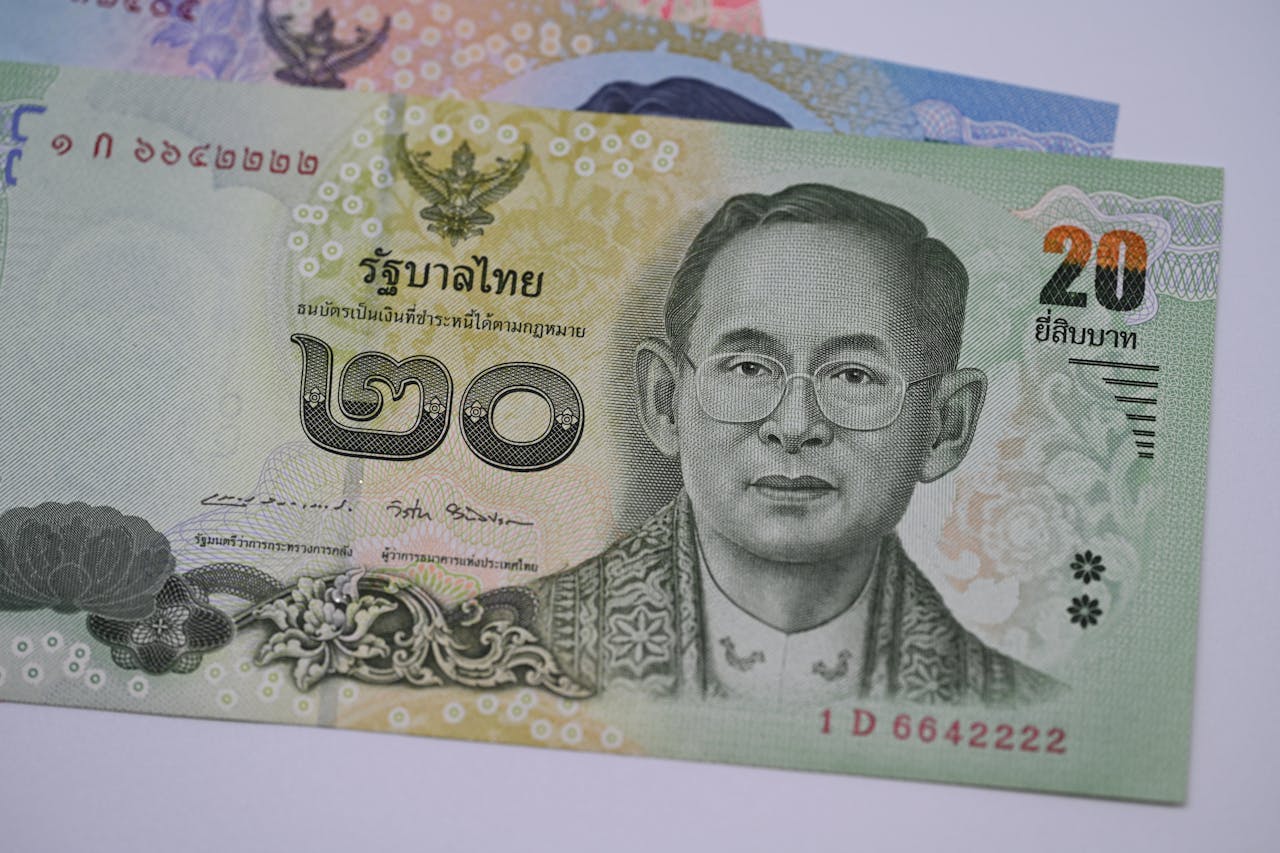
Thailand’s central bank stated on Wednesday that its current monetary policy remains accommodative, helping the country prepare for potential future economic risks. According to a research paper released by the Bank of Thailand, the supportive stance of monetary policy is well-positioned to address upcoming uncertainties in both domestic and global markets.
The central bank emphasized that there are currently no indications of deflationary pressure in the Thai economy. Inflation expectations for the medium term remain steady and are well anchored within the target range, reinforcing confidence in the country’s financial stability.
Thailand’s economic outlook has faced headwinds, including sluggish global demand, regional geopolitical tensions, and uneven post-pandemic recovery. However, the Bank of Thailand believes its flexible and responsive policy framework provides adequate support to maintain macroeconomic balance.
Despite the global trend of tightening monetary policies to curb inflation, Thailand has opted for a more measured approach. Analysts suggest this reflects the central bank’s focus on supporting growth and managing inflation expectations without derailing recovery efforts. By maintaining an accommodative policy stance, the central bank aims to ensure that liquidity remains sufficient in the system, supporting credit flow and consumer spending.
Thailand’s medium-term inflation remains within the 1% to 3% target range, supported by stable energy prices and moderate core inflation. The central bank has reiterated its commitment to closely monitor inflation trends, external shocks, and financial stability indicators to make timely policy adjustments if necessary.
In conclusion, the Bank of Thailand’s proactive and balanced approach underlines its readiness to safeguard the economy against potential disruptions. By keeping monetary policy flexible and data-driven, Thailand is reinforcing its economic resilience in a rapidly changing global landscape.













