


 MediaTek Unveils 2nm Dimensity 9600 Pro AI Chip
  Paramount-Warner Bros $110 Billion Deal Draws Antitrust Backlash
  Hyundai CEO Warns Chinese Automakers Could Disrupt US Market
  AI is supercharging money scams – here’s what you can do to protect yourself
  Databricks to Invest $350 Million in Singapore AI Expansion
  Petrobras Joins Brazil’s New Diesel Subsidy Program
  SoftBank Launches $11 Billion Bond Sale to Fund OpenAI Investment
  Meta Partners With Shopify to Bring Shop Pay Checkout to Muse AI
  SpaceX Nasdaq 100 Weight to More Than Double in Rebalance
  Apple Pay Set for India Launch With Axis Bank
  DOJ Will Investigate AI-Related Crimes, Attorney General Blanche Says
  Nike Earnings at Risk as UBS Cuts Price Target to $42
  Scott Bessent Eyed as Trump’s New AI Czar
  Paramount Skydance Faces $30 Million Film Penalty in Warner Bros. Deal
  OpenAI Urges US-Led Global Standards for Frontier AI
  Nvidia CEO Jensen Huang Expected at Trump-Xi State Dinner
  Prysmian, Rio Tinto Supply Low-Carbon Cables for Amazon Ohio Data Center


 Add as a preferred source on Google
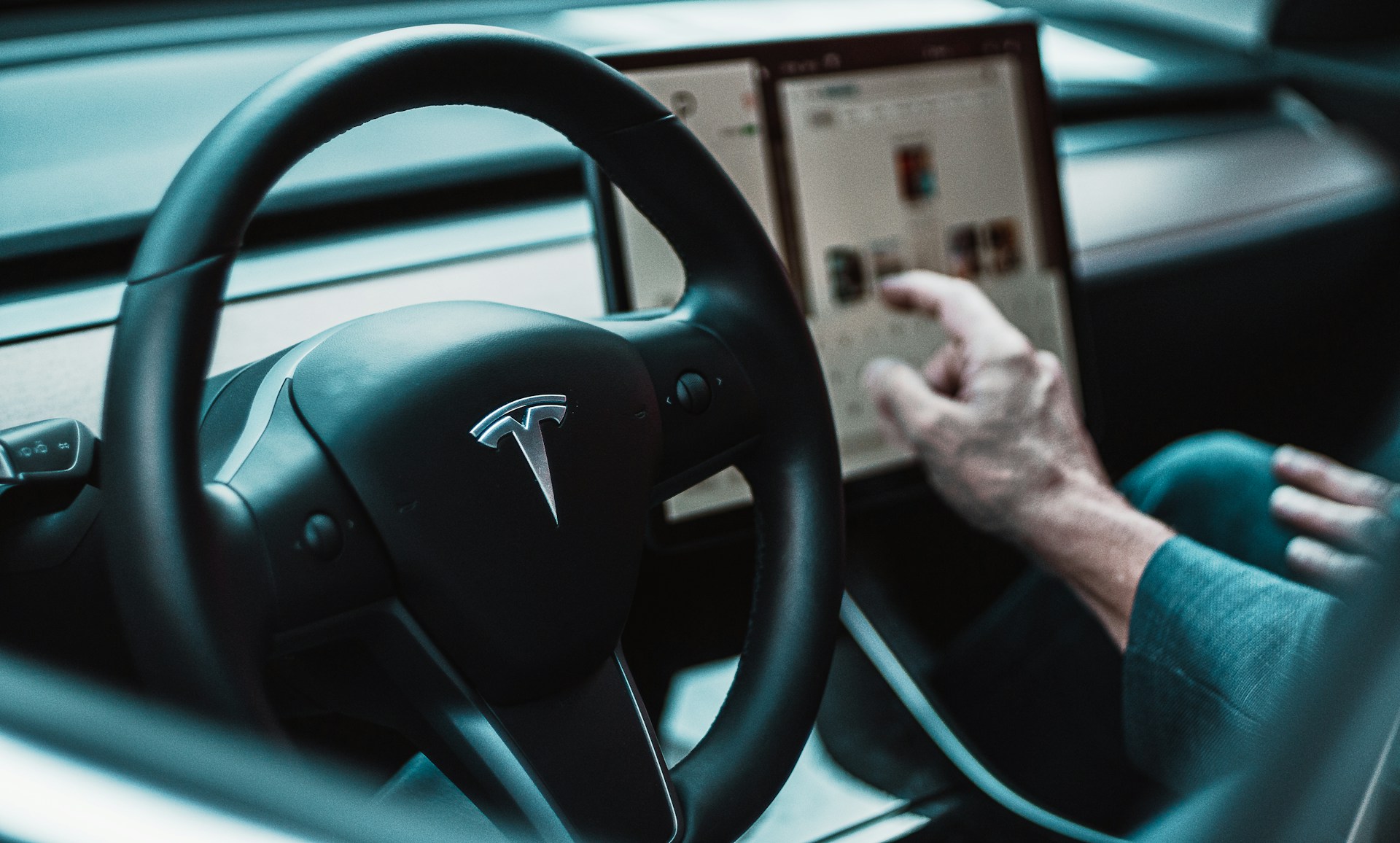
Tesla's ambitions for autonomous driving receive a significant boost as reports surface of the Chinese government endorsing the company's robotaxi trials with Full Self-Driving capabilities. Elon Musk's vision of a global fleet of autonomous vehicles gains traction with official support from Chinese officials, marking a pivotal moment in the evolution of self-driving technology.
Government Endorsement Sparks Excitement
Tesla has secured official funding to test its robotaxi concept with Full Self-Driving (FSD) in China.
According to China Daily, Tesla CEO Elon Musk has proposed testing Full Self-Driving functions in automobiles deployed in the Chinese market. Tesla would use its vehicles as taxis in China. Musk also proposed expanding the program to Chinese cab firms.
Musk has compared Tesla's robotaxi service to a hybrid of Airbnb and Uber. Tesla will operate the robotaxi fleet. Some of the vehicles will be owned by Tesla, and others may be owned by end users, who will be able to add or remove their vehicle from the Tesla robotaxi network at any moment.
End users can also limit the number of consumers who utilize their Tesla as a robotaxi. For example, they might only accept rides from five-star clients, as per Teslarati.
Chinese officials allegedly informed Musk that Tesla was welcome to perform robotaxi tests in China and that it should set a positive example. Industry analysts have remarked that China has continued to invite foreign enterprises to test their innovations for mutual benefit.
Market Potential and Regulatory Landscape
Tesla's full self-driving tests in China would back up Musk's claims at the Q1 2024 earnings call. Musk noted at the time that with country-specific training, FSD could be used anyplace in the world.
“So, think about the end-to-end neural net-based autonomy is that just like a human, it actually works pretty well without modification in almost any market. So, we plan on — with the approval of the regulators, releasing it as a supervised autonomy system in any market that — where we can get regulatory approval for that, which we think includes China. So, yes, it’s — just like a human, you can go rent a car in a foreign country and you can drive pretty well,” Musk said.
“Obviously, if you live in that country, you’ll drive better. And so, we’ll make the car drive better in these other countries with country-specific training. But it can drive quite well almost everywhere,” he added.
Photo: David von Diemar/Unsplash







