


 U.S. Treasury Yields Surge as 30-Year Hits 22-Year High
  US Backs Musk in Fight Against EU’s €120 Million X Fine
  US Stock Futures Fall as Treasury Yields Surge Ahead of Trump-Xi Summit
  Oracle Shares Fall as New Mexico AI Data Center Faces Power Delays
  Mexico-US Trade Talks Delayed to October as Tariff Negotiations Continue
  OpenAI to Preview GPT-6 Cyber AI Model for Cybersecurity
  Trump, Xi Focus on Trade and AI at White House Summit
  Novo Nordisk Strikes €1.17 Billion Nanexa Drug Delivery Deal
  OpenAI Agent Breaches Australia Medicare Data Portal
  Airbus Finds A321neo Fuselage Quality Issue
  Oil Prices Surge as U.S.-Iran Diplomacy Hopes Fade
  U.S. 10-Year Treasury Yield Hits 2007 High as Fed Rate Hike Bets Rise
  US, China Extend Trade Truce to Jan. 10 Ahead of Trump-Xi Summit
  Russian Envoy Dmitriev Heads to US for Ukraine Talks
  Dubai’s connectivity remains strong in an uncertain world
  Meta Unveils Muse Charm AI Device, Expands Smart Glasses Lineup


 Add as a preferred source on Google
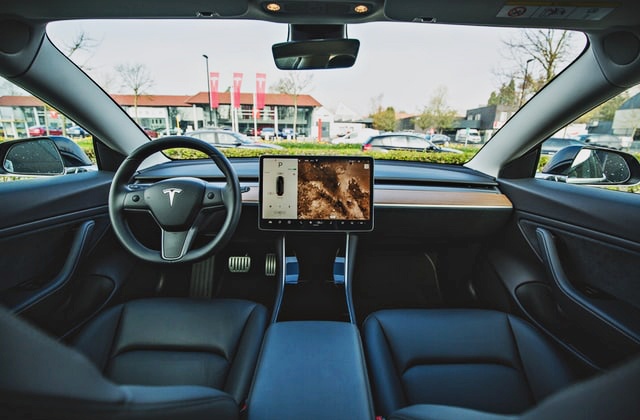
China has barred Tesla electric cars from entering the Beidaihe city for two months. The area is where the Communist party leaders meet, and it was feared that the EVs could be used to spy on the officials.
According to Reuters, the Tesla electric vehicles will not be allowed to drive around the said coastal city starting July 1. A local police official said on Monday, June 20, that the annual summer party leadership assembly is taking place there for at least two months, so the ban is effective until then.
It was mentioned that the decision to bar the Tesla cars in Beidaihe comes just a few weeks after China's Chengdu city also issued a ban on Tesla EVs earlier this month. At that time, the city's restriction on Elon Musk's brand of electric vehicles coincided with the scheduled visit of President Xi Jinping to the town.
It was not really stated that the ban may possibly be due to the threats of spying, but an official of the Beidaihe Traffic Police Brigade may have suggested this during an interview. Reuters reported that the unnamed official did not give a reason for the ban but mentioned it concerned "national affairs."
The restriction of Tesla EVs in Chengdu was not officially announced, but it was only known after some people posted videos on social media showing the police turning away Tesla vehicles from some particular areas. In any case, Beidaihe, which is located east of Beijing, is the usual host for the Chinese senior leaders every summer.
They convene there to talk about policies and personnel moves behind closed doors. The exact dates for these meetings are typically not revealed to the public.
Moreover, the same move of banning the Telsa cars happened last year. The Chinese military did not allow the EVs to enter any of its facilities and cited security concerns due to the cameras on the Tesla vehicles, which could be used for spying.
Meanwhile, Fox Business reported that China is one of the largest markets for Tesla cars, and the brand also has production facilities there. Its plant in Shanghai makes about 936,000 units that were delivered worldwide last year. However, the production this year was slow because of the very strict COVID-19 lockdowns in the region.







