


 Databricks to Invest $350 Million in Singapore AI Expansion
  Guterres Urges Stronger Global AI Safeguards Ahead of UN Assembly
  Europe can’t achieve space sovereignty alone. Here’s why
  MediaTek Unveils 2nm Dimensity 9600 Pro AI Chip
  Big AI wants to slow down AI research. Is it a safety pause or a strategic retreat?
  Burnham Eyes UK Leadership Role in AI Ahead of Trump Meeting
  Apple Pay Set for India Launch With Axis Bank
  SpaceX Nasdaq 100 Weight to More Than Double in Rebalance
  SoftBank Shares Jump 8% as SB Energy IPO Optimism Builds
  OpenAI Urges US-Led Global Standards for Frontier AI
  Rosenblatt Starts Nokia at Buy on AI Networking Growth
  Qualcomm Gains on $60B Amazon AI Chip Deal
  US Federal Register Drops Alibaba Qwen AI Search Tool
  AI is supercharging money scams – here’s what you can do to protect yourself
  Westinghouse Targets $50 Billion Valuation in U.S. IPO
  US Northeast Airports Resume Operations After Telecom Outage Disrupts Thousands of Flights
  Meta Partners With Shopify to Bring Shop Pay Checkout to Muse AI


 Add as a preferred source on Google
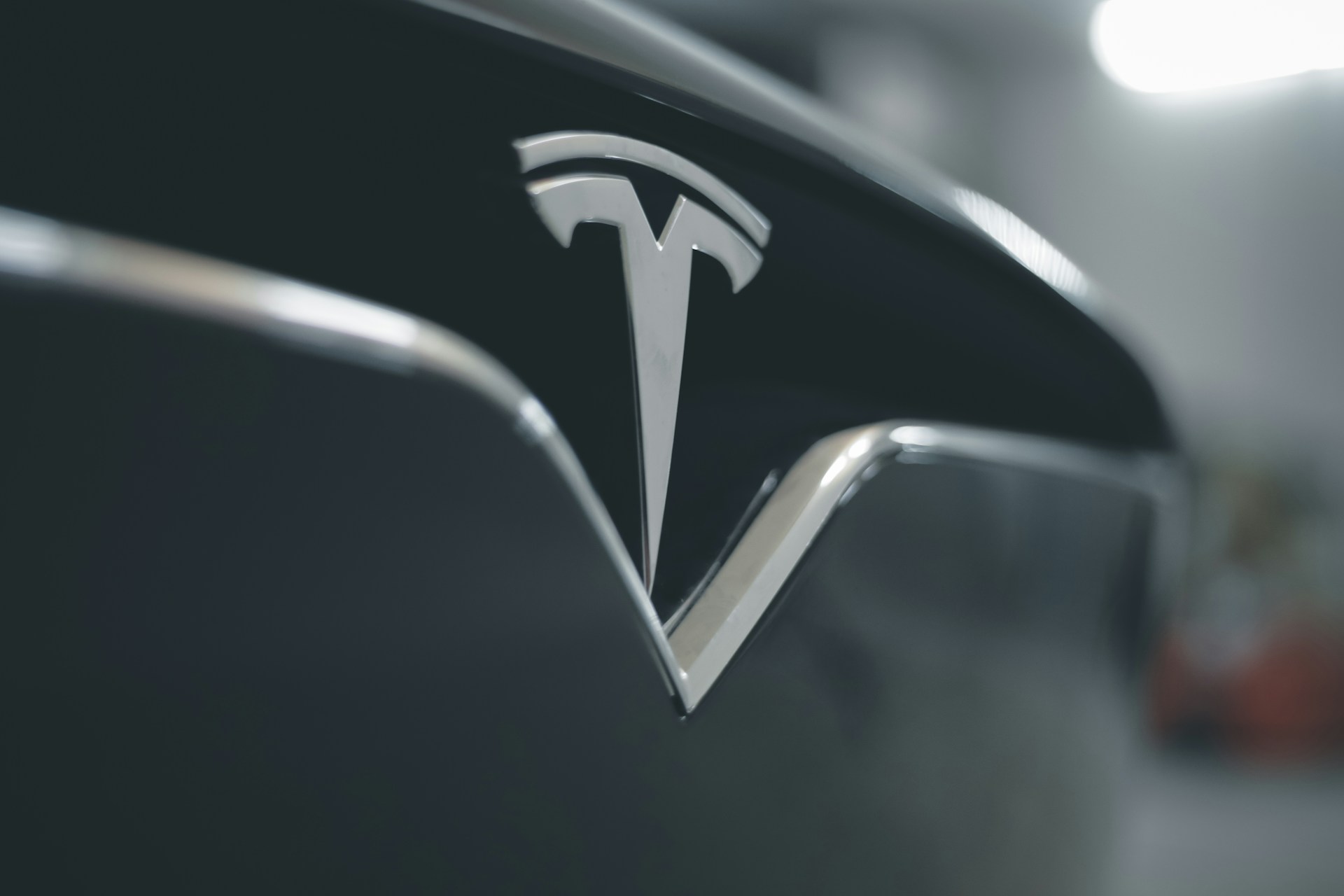
Tesla intends to construct the largest Supercharger station in the world, which could provide insight into the future of charging electric vehicles. Tesla's Supercharger network is undoubtedly the best charging network, but it can be further developed.
It is not sufficient to merely improve; one must adapt to the changing demands of the expanding electric vehicle fleet in North America. Additional stations, each with a greater number of stalls, and stations reconfigured to accommodate emerging electric vehicle categories, such as trucks, are needed.
Tesla Plans World's Largest Supercharger Station in California with Solar Microgrid
Tesla's forthcoming construction of a new Supercharger station in California may provide insight into the company's long-term strategy for the Supercharger network. The new station is intended to be constructed in Kern County, California, close to the intersection of the 5 and 46 freeways.
The construction permit application posted on X via MarcoRP indicates that the new station will feature more than 160 Supercharger stalls, establishing it as the most expansive Supercharger facility globally. However, that is by no means the most intriguing aspect of this novel undertaking. Tesla had sixteen pull-through stalls in mind, as shown.
These are extremely beneficial for automobiles towing trailers. Due to these stall configurations, those who are towing with Cybertrucks or other electric vehicles will be able to utilize the Superchargers without untying their trailers.
The plan additionally validates Tesla's intention to construct a microgrid at the Supercharger station, comprising solar canopies and batteries. This will allow Tesla to reduce peak demand at the charging station, substantially reducing charging expenses.
The station will accommodate the heavy traffic between Northern and Southern California, although its completion date has yet to be determined. Tesla has made substantial investments along this path. Indeed, the proximity of the new station to Tesla's Kettleman City Supercharger, formerly the company's largest Supercharger globally, will be reasonable.
Stellantis to Integrate Tesla's Charging Tech, Boosting EV Interoperability by 2026
According to a press release issued on Monday, beginning in 2026, all Stellantis-owned brands will produce vehicles equipped with Tesla's NACS charging interface, also referred to as the SAE J3400. Stellantis, the proprietor of Alfa Romeo, Jeep, Chrysler, Dodge, and Ram, confirms that "select" battery-electric vehicle (BEV) models will initially receive the connector.
"When the industry unites on open standards, customers benefit." "We are delighted to announce our support and adoption of the SAE J3400 connector, a significant step toward open and seamless charging for all customers," Ricardo Stamatti, SVP of global energy and charging for Stellantis, stated.
"Our Dare Forward 2030 strategic plan puts customers at the center of open interoperability and freedom of mobility for all. This future will be amplified by IONNA, our public charging joint venture with six other OEMs that will deliver industry-leading high-powered charging for all battery-electric vehicles regardless of brand."
The declaration was made in the weeks following Mazda's adoption of Tesla's charging standard last month and Volkswagen's brand-wide implementation of the NACS in December, leaving many curious about when Stellantis would ultimately adopt the standard.
Auto Giants Unite for IONNA EV Network to Challenge Tesla's Supercharger Dominance
It was indicated in the Stellantis website that the regulatory sanction was granted to a joint venture consisting of Mercedes-Benz, BMW, General Motors (GM), Honda, Hyundai, Kia, and Stellantis to commence construction of the IONNA EV charging network. This development coincides with the news. The companies are hopeful that the new joint venture, which will supervise the construction of 30,000 fast-charging stations, will rival and possibly dethrone the Tesla Supercharger network.
The initial IONNA EV charging station is anticipated to be constructed by the end of the current year.
Major manufacturers initiated the adoption of the standard in May of last year when Ford CEO Jim Farley declared that the company would utilize Tesla's charging hardware in the construction of forthcoming BEVs and grant access to the Supercharger network for its BEVs. Several other manufacturers followed the announcement, which Farley and Tesla CEO Elon Musk made via a Spaces call on X in the latter half of 2023.
After a few weeks, in early June, General Motors (GM) became the first automaker to follow suit, and the remaining manufacturers gradually joined forces for the year.
Photo: Afif Ramdhasuma/Unsplash







