


 KPMG UK Cuts 440 Audit Jobs Amid Low Attrition and Cooling Professional Services Demand
  Nike Beats Q3 Estimates but China Weakness and Margin Pressure Weigh on Outlook
  UAE's Largest Natural Gas Facility Suspended After Attack-Triggered Fire
  Elon Musk Ties SpaceX IPO Access to Mandatory Grok AI Subscriptions
  Ukrainian Drones and the #MadeByHousewives Movement: Kyiv Fires Back at Rheinmetall CEO
  Norma Group Posts Revenue Decline in 2025, Eyes Modest Recovery in 2026
  OpenAI Executive Shake-Up Ahead of Anticipated 2026 IPO
  McDonald's and Restaurant Brands International Face Headwinds Amid Iran Conflict and Rising Costs
  First Western Ship Transits Strait of Hormuz Since Iran War Began
  Private Credit Under Pressure: Is a Slow-Motion Crisis Unfolding?
  Apple Turns 50: From Garage Startup to AI Crossroads
  TSMC Japan's Second Fab to Produce 3nm Chips by 2028
  Jefferies Upgrades Sodexo to Buy With €55 Target After Historic CEO Appointment
  SoftwareONE Posts 22.5% Revenue Surge in 2025 on Crayon Acquisition
  Europe's Aviation Sector on Track to Meet 2025 Green Fuel Mandate
  RBC Capital: European Medtech Firms Show Minimal Middle East and Energy Risk Exposure
  MATCH Act Targets ASML and Chinese Chipmakers in New U.S. Export Crackdown


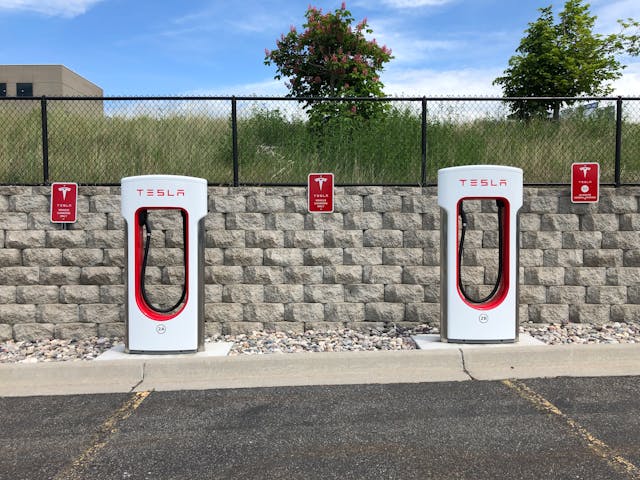
Tesla has taken another significant step toward scaling its autonomous mobility ambitions by securing a Transportation Network Company (TNC) permit in Arizona. The approval, confirmed by a state regulator, enables the electric vehicle maker to operate a paid ride-hailing service similar to Uber or Lyft across the state. While the permit does not authorize fully driverless operations, it marks meaningful progress in Tesla’s broader plan to roll out a commercial robotaxi network.
The company has already begun piloting its robotaxi strategy in select U.S. cities. Earlier this year, Tesla launched a supervised autonomous ride-hailing service in Austin, Texas, where a safety monitor sits in the front passenger seat. It later expanded to the San Francisco Bay Area, deploying human drivers supported by the latest version of its Full Self-Driving (FSD) software. These early deployments serve as testing grounds as Tesla works to refine its autonomous technology and move toward removing drivers and safety monitors entirely.
CEO Elon Musk has repeatedly emphasized the company’s intention to operate robotaxi services in eight to ten major metro areas by the end of the year. Although ambitious, this target aligns with Tesla’s continued push to secure regulatory approvals and strengthen its autonomous driving ecosystem. Arizona has already granted Tesla a permit to test autonomous vehicles with a safety driver, and the company previously applied for permission to conduct driverless testing within the Phoenix Metro area.
Arizona’s Department of Transportation confirmed that Tesla met all TNC requirements after applying on November 13 and received official authorization on November 17. This approval comes at a time when the robotaxi industry is regaining momentum after years of regulatory hurdles, high development costs, and several high-profile shutdowns. Major players like Alphabet’s Waymo and Amazon’s Zoox are also rapidly expanding, contributing to renewed optimism around the future of autonomous mobility.
Tesla has not yet commented publicly on the Arizona permit, but the move reinforces the company’s commitment to establishing a widespread robotaxi network and competing aggressively in the evolving self-driving transportation market.







