Tesla has announced a massive recall of more than two million vehicles equipped with its Autopilot advanced driver-assistance system in the United States. This decision comes after the National Highway Traffic Safety Administration (NHTSA) raised safety concerns about the system.
NHTSA Investigation and Safety Concerns
The NHTSA has investigated Tesla for over two years to determine whether its vehicles ensure adequate driver attention when using Autopilot, as per Reuters. Acting NHTSA Administrator Ann Carlson highlighted the importance of driver monitoring systems, considering the tendency of humans to overly rely on technology.
In response to the NHTSA's concerns, Tesla stated in a recall filing that the software system controlling Autopilot "may not be sufficient to prevent driver misuse" and could potentially increase the risk of accidents. Consequently, Tesla plans to install new safeguards through an over-the-air software update to encourage drivers to maintain their driving responsibility.
Autopilot Features and Functionality
The Times of India noted that Tesla's Autopilot feature is designed to enable automatic steering, acceleration, and braking within the designated driving lane. While it assists in changing highway lanes, it does not make the vehicles fully autonomous. A key component of Autopilot is Autosteer, which ensures a set speed or following distance while keeping the car within its lane.
The NHTSA's investigation into Autopilot revealed several crashes involving Tesla vehicles colliding with stationary emergency vehicles. In June 2022, the agency announced that Tesla's Autopilot system lacked adequate driver engagement and usage controls, potentially leading to misuse. Tesla disagreed with the NHTSA's analysis but decided to proceed with the recall.
Scope of the Recall
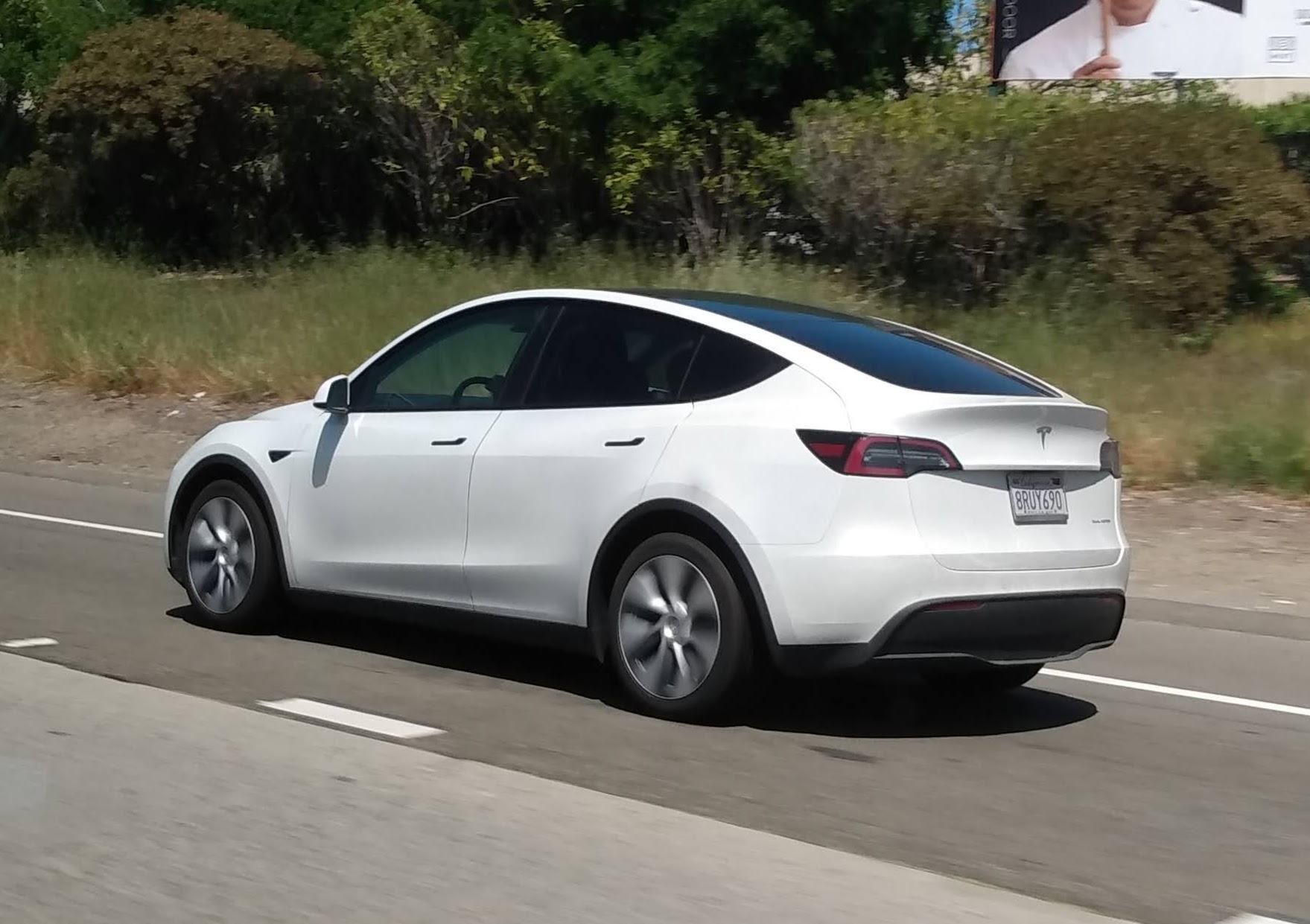
The recall affects nearly all Tesla vehicles on US roads, including the Model S, X, 3, and Y. Approximately 2.03 million vehicles dating back to the 2012 model year are included in the recall.
While the recall applies to vehicles in the United States, it remains unclear if other countries, such as China and Germany, will also demand similar actions. German regulators are currently investigating the matter.
Deploying the software update to affected Tesla vehicles will help mitigate potential risks and enhance driver safety.