


 Japan, U.S. Discuss $19 Billion GlobalFoundries Chip Plant
  France Urges Faster AI Push Despite Safety Risks
  Meta Unveils Muse Charm AI Device, Expands Smart Glasses Lineup
  Meta Partners With Shopify to Bring Shop Pay Checkout to Muse AI
  US Northeast Airports Resume Operations After Telecom Outage Disrupts Thousands of Flights
  Databricks to Invest $350 Million in Singapore AI Expansion
  China’s ‘Lipstick King’ Says AI Won’t Replace Livestream Hosts
  NASA, Boeing Discuss Expanding Starliner Missions
  SK Hynix, Intel Discuss U.S. Memory Chip Production Deal
  Anthropic’s Claude Discovers CRISPR-Like Enzyme System
  China Reviews Broadcom Switch Use in State Data Centres
  SoftBank Raises $11.1 Billion in Bond Sale to Fund OpenAI Investment
  US Federal Register Drops Alibaba Qwen AI Search Tool
  DOJ Will Investigate AI-Related Crimes, Attorney General Blanche Says
  Scott Bessent Eyed as Trump’s New AI Czar
  Tencent Launches TenPayGo Payment App for Foreign Tourists in China


 Add as a preferred source on Google
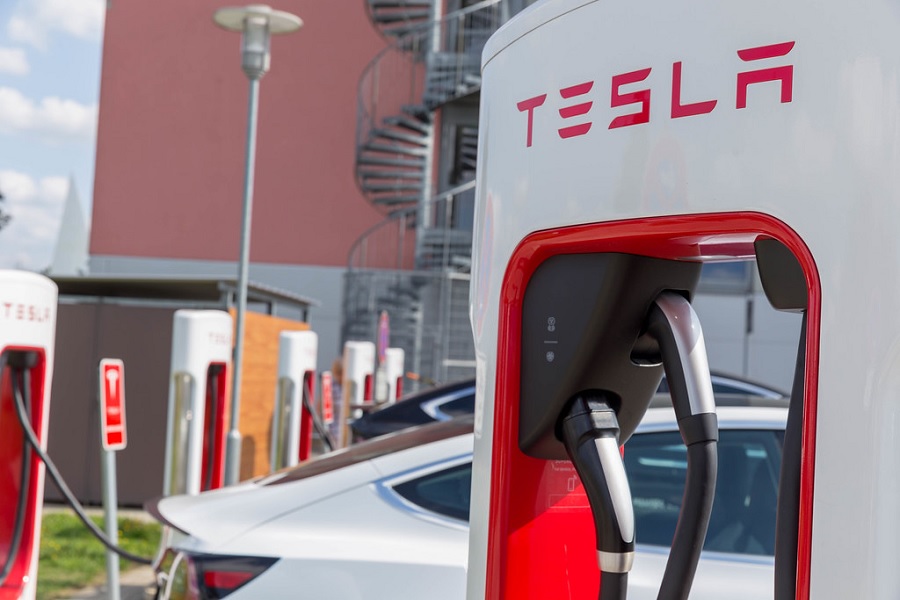
It is not new for Tesla to adjust previously announced plans for its electric vehicles. To the company’s credit, the changes are often made to improve the designs of its cars. It appears to be the case for Tesla Model Y’s lineup as Elon Musk confirmed the anticipated standard version of the compact crossover would not enter production.
New Tesla Model Y standard version to be announced soon
Since Tesla Model Y started to go on sale, people can choose between two power train options, namely the Long Range and Performance that are both Dual Motor All-Wheel Drive. But a third variant has been listed on the website, a Standard Range, that was originally planned to enter production by early 2021.
However, a Twitter fan noticed that the placeholder suddenly disappeared from the website. Musk then confirmed that the Standard Range Tesla Model Y had been scrapped, but it does not mean there will not be a third option for the electric crossover.
Musk explained that the planned standard version would have had less than 250-mile EPA range, which the company exec called “unacceptably low.” To compare, the Tesla Model 3 Standard Range Plus’ battery was exactly at the 250-mile capacity.
The anticipation over a standard Tesla Model Y is probably because people are hoping for a cheaper option of the electric crossover, and Musk seemed to realize this as well. So in the same Twitter conversation, Musk reminds fans that there is an on-going price reduction on the Model Y.
Tesla is unlikely to keep the discounted price forever, but Musk confirmed that a third Model Y option will arrive soon that will cater to potential customers looking to buy the crossover at a lower cost. “[We] will offer a LR single motor Y in a few months, which improves affordability, while still keeping the product excellent,” Musk added.
Elon Musk showcases Giga Berlin plans
Giga Berlin pic.twitter.com/UXQMUVTWXf
— Elon Musk (@elonmusk) July 15, 2020
The Model Y has been one of the vehicles Tesla plans to produce in its next Gigafactory in Germany, aka Giga Berlin, but it is not expected to operate until 2021. Reports last month said the construction of the plant will be underway, and Musk recently shared on Twitter how Giga Berlin would look like once it is fully constructed.
Featured photo by Marco Verch under Creative Commons license CC BY 2.0







