


 Hyundai CEO Warns Chinese Automakers Could Disrupt US Market
  FAA Allows Boeing to Sell 35 More 777F Freighters Beyond 2028
  Volkswagen Shares Slide After 2026 Profit Outlook Cut
  SoftBank Shares Jump 8% as SB Energy IPO Optimism Builds
  Burnham Eyes UK Leadership Role in AI Ahead of Trump Meeting
  SK Hynix, Intel Discuss U.S. Memory Chip Production Deal
  Guterres Urges Stronger Global AI Safeguards Ahead of UN Assembly
  Europe can’t achieve space sovereignty alone. Here’s why
  Westinghouse Targets $50 Billion Valuation in U.S. IPO
  SoftBank Launches $11 Billion Bond Sale to Fund OpenAI Investment
  FCC Approves Foreign Investment in $110B Paramount-Warner Bros. Deal
  NASA, Boeing Discuss Expanding Starliner Missions
  Volvo Cars Plans 13 New Models by 2030 to Boost Sales
  US Federal Register Drops Alibaba Qwen AI Search Tool
  Japan, U.S. Discuss $19 Billion GlobalFoundries Chip Plant
  US Northeast Airports Resume Operations After Telecom Outage Disrupts Thousands of Flights
  fnny Beta Launches With a Simple Idea: Find an Event, Show Up, Get Rewarded


 Add as a preferred source on Google
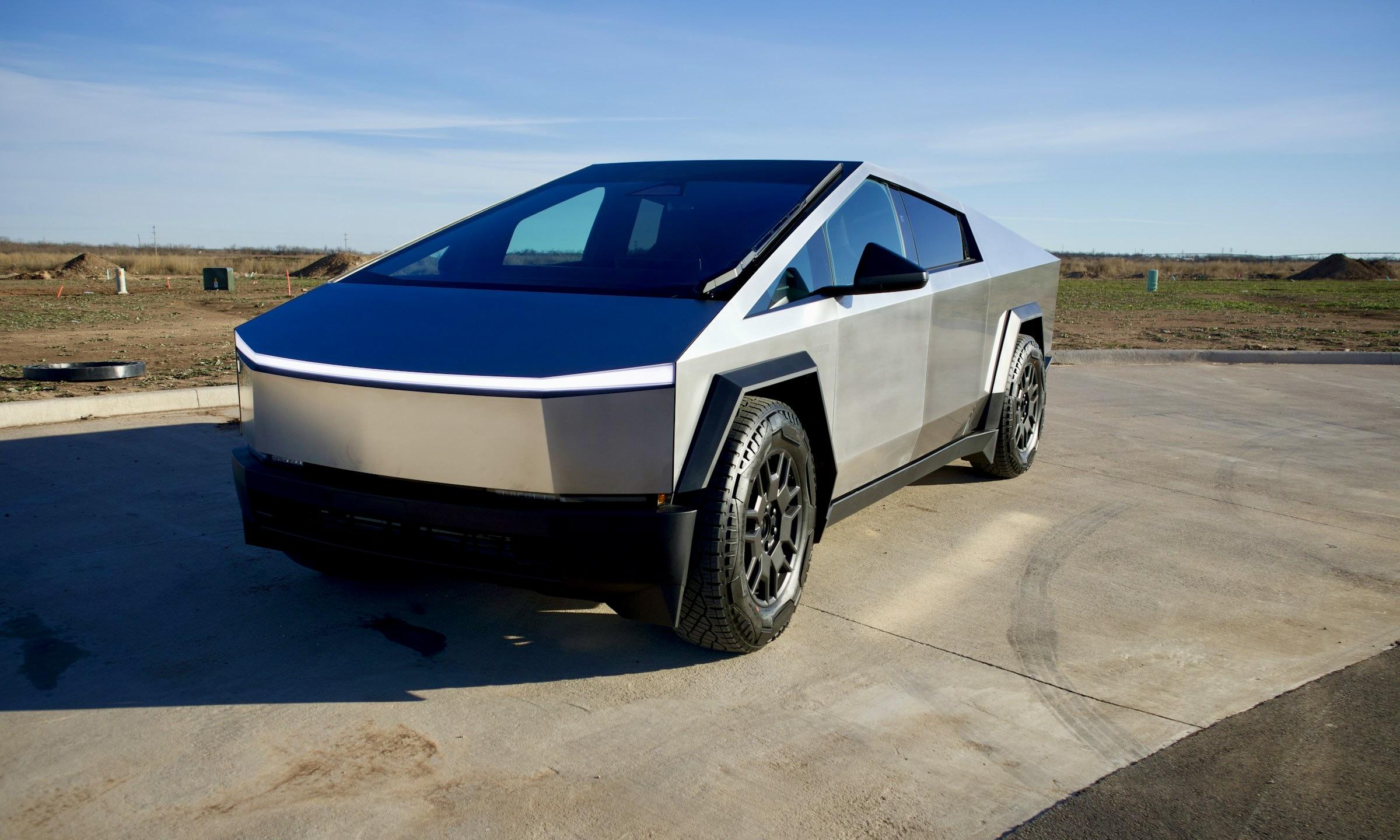
Tesla Cybertruck’s Arctic Expedition completed a 5,500-mile trek, demonstrating electric vehicles’ capabilities even in extreme environments. The journey marked a significant milestone for EVs, proving their reliability in challenging conditions.
Tesla Cybertruck’s Arctic Success
The 5,500-mile Arctic Cybertrek Expedition, which began in Florida and ended in Canada at the Dempster Highway terminus, was an enormous success. What made the expedition so remarkable, according to Teslarati, was that the two Tesla Cybertrucks that set out on the voyage could power themselves all the way to the Arctic Ocean.
It was definitely no picnic making it to the Arctic Ocean. One may make the case that combustion-powered cars could easily complete such an adventure, but that would be missing the point of the Arctic Cybertrek adventure.
With the exception of a lack of charging infrastructure, it hoped to demonstrate that high-quality electric vehicles, such as the Tesla Cybertruck, could successfully traverse the Arctic Ocean.
EV Team Overcomes Obstacles on the Road
The Arctic Cybertrek Expedition team overcame obstacles early on in their journey caused by a scarcity of electric vehicle chargers in the Canadian tundra. The team included members of the EV community, including @teslatino and his spouse @TSLATNA, @beardedtesla, and @blueskykites.
Images of the happy Tesla owners posing by the Arctic Ocean shore with their Cybertrucks quickly circulated online. After their successful Arctic Cybertrek Expedition, the crew decided to leave their expedition badge at an Arctic Ocean sign as a memento.
New Charging Stations Enhance Future EV Expeditions
Several Level 2 chargers were also installed by the Tesla owners while they were on the road. So, with considerably improved EV charging support, other EV owners could now successfully recreate the Arctic Cybertrek Expedition.
An important step forward for EVs was the Arctic Cybertrek Expedition's smashing success. If anyone was still skeptical, the fact that the two Cybertrucks made it to the Arctic Ocean's coastlines without using diesel generators should put their doubts to rest.







