


 Najib Razak Seeks Stay of 15-Year 1MDB Prison Sentence
  Australia Unemployment Hits Five-Year High Despite Strong Jobs Growth
  US Supreme Court Revives Trump Administration Voter Citizenship Database
  Trump Warns China Against Supporting Iran in Xi Talks
  Saudi Arabia, Turkey and Pakistan Plan Urgent Defence Talks Over Houthi Attacks
  Evan Gershkovich Says FSB Set Trap for 2023 Russia Arrest
  Japanese Yen Rebounds as Trump Flags Currency Weakness
  Oil Prices Jump 3% as Houthi Attack Revives Supply Fears
  Mexico-US Trade Talks Delayed to October as Tariff Negotiations Continue
  Abbas Reaffirms November 28 Palestinian Elections
  Fed’s Hammack Says Bond Yield Surge Is Not Driven by Inflation Fears
  Netanyahu’s Brief US Trip Highlights Strains With Trump
  Oil Prices Ease as Iran Tensions Clash With Diplomacy Hopes
  Gold Holds Near $4,275 as Rising Treasury Yields Fuel Fed Rate Hike Bets
  Trump Asks Supreme Court to Restore Third-Country Deportations
  North Korea Warns South Korea Over US-Led Defense Role
  Dollar Holds Near Two-Month High as Yen Approaches 160


 Add as a preferred source on Google
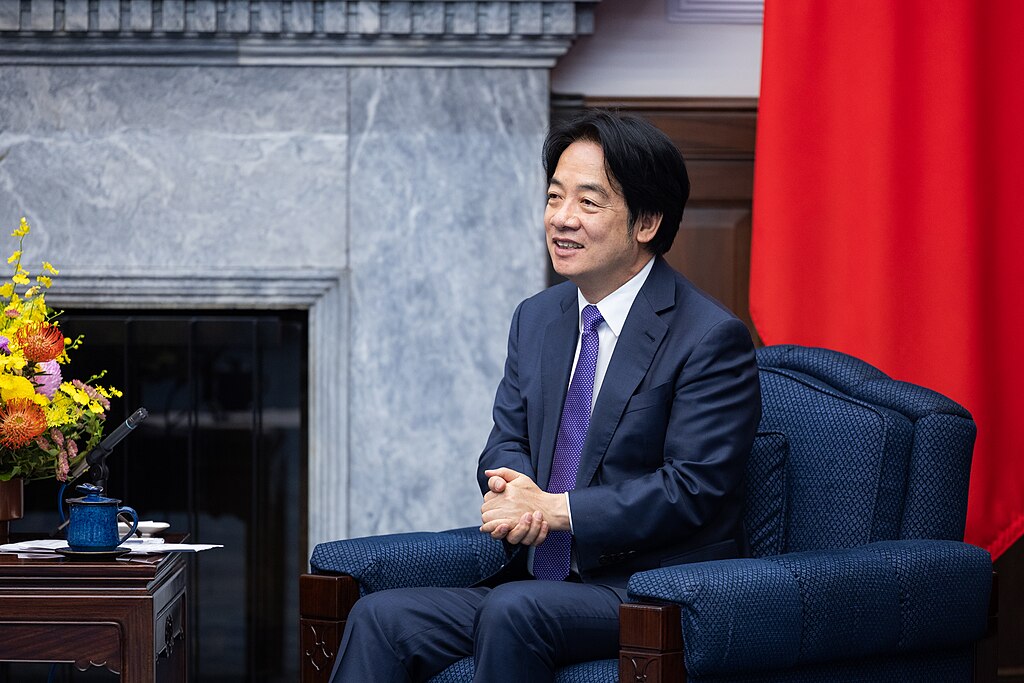
Taiwan’s President Lai Ching-te and his cabinet announced Friday that the newly imposed 20% U.S. tariffs on Taiwanese imports are expected to be temporary as both sides finalize trade negotiations. Lai, in a Facebook post later echoed by the cabinet, said the government is committed to securing “reasonable tariff rates” and anticipates further reductions once an agreement is reached.
The statement comes after U.S. President Donald Trump signed an executive order Thursday imposing tariffs between 10% and 41% on imports from multiple trade partners, including Taiwan. The move marks a significant escalation in U.S. trade policy, with potential implications for Taiwan’s export-driven economy and global supply chain position.
Taiwan’s presidential office confirmed it will hold a press briefing at 11:30 a.m. local time (0330 GMT) to address the tariff impact and outline next steps in negotiations with Washington. The U.S. is Taiwan’s second-largest trading partner after China, and closer economic ties with Washington have been a priority for Taipei amid rising geopolitical tensions in the Asia-Pacific region.
In 2024, Taiwan recorded the sixth-largest trade surplus with the United States, exporting $73.92 billion more to the U.S. than it imported. Analysts say the outcome of these talks will be pivotal in determining Taiwan’s trade strategy and its competitiveness in key sectors such as semiconductors and advanced manufacturing.
The new tariffs highlight the delicate balance Taipei faces in navigating U.S.-China tensions while safeguarding its critical role in global technology supply chains.







