


 Thailand Inflation Remains Negative for 10th Straight Month in January
  New York Legalizes Medical Aid in Dying for Terminally Ill Patients
  Nvidia, ByteDance, and the U.S.-China AI Chip Standoff Over H200 Exports
  Gold and Silver Prices Rebound After Volatile Week Triggered by Fed Nomination
  Trump Rejects Putin’s New START Extension Offer, Raising Fears of a New Nuclear Arms Race
  Japan Economy Poised for Q4 2025 Growth as Investment and Consumption Hold Firm
  SoftBank Shares Slide After Arm Earnings Miss Fuels Tech Stock Sell-Off
  Bank of Japan Signals Readiness for Near-Term Rate Hike as Inflation Nears Target
  Vietnam’s Trade Surplus With US Jumps as Exports Surge and China Imports Hit Record
  Nighttime Shelling Causes Serious Damage in Russia’s Belgorod Region Near Ukraine Border
  U.S. Sanctions on Russia Could Expand as Ukraine Peace Talks Continue, Says Treasury Secretary Bessent
  Trump Signs Executive Order Threatening 25% Tariffs on Countries Trading With Iran
  Elon Musk’s SpaceX Acquires xAI in Historic Deal Uniting Space and Artificial Intelligence
  Trump Allows Commercial Fishing in Protected New England Waters
  Ukraine-Russia Talks Yield Major POW Swap as U.S. Pushes for Path to Peace
  Nvidia Confirms Major OpenAI Investment Amid AI Funding Race
  UAE Plans Temporary Housing Complex for Displaced Palestinians in Southern Gaza


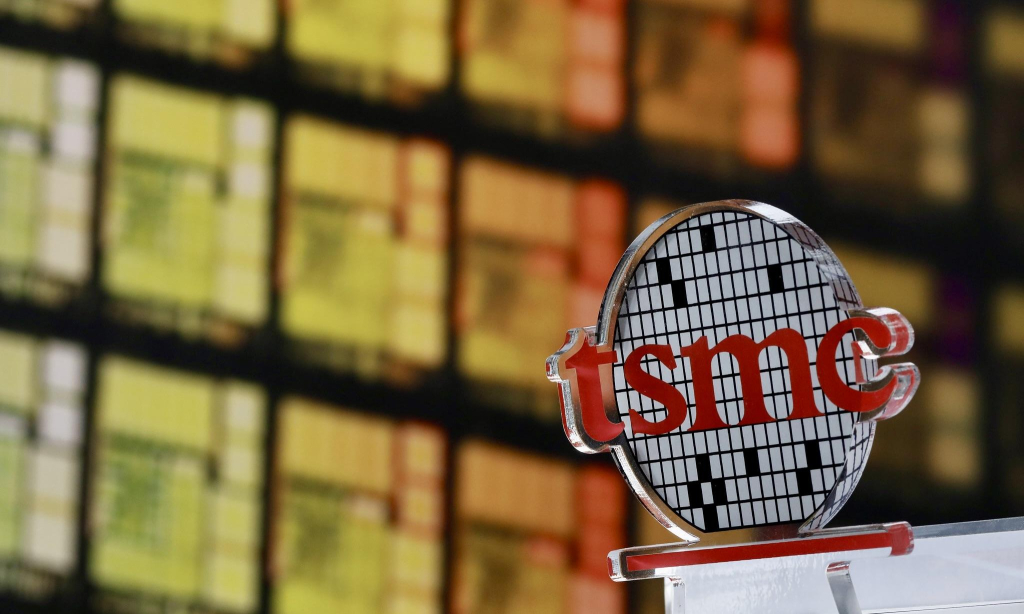
Taiwan has firmly rejected a U.S. proposal suggesting that half of global semiconductor production should shift to the United States. The clarification came from Taiwan’s Vice Premier Cheng Li-chiun, who returned from trade talks in Washington and stated that no such “50-50 chip deal” had been discussed or agreed upon. Cheng emphasized that Taiwan’s negotiating team “never made any commitment” on dividing chip production, stressing that the issue was not part of the official talks.
The rejection follows comments by U.S. Commerce Secretary Howard Lutnick, who told NewsNation that Washington wanted to pursue a 50-50 split in semiconductor manufacturing with Taiwan. However, Taiwan has reiterated its stance that chip production will remain centered on the island, home to Taiwan Semiconductor Manufacturing Company (TSMC), the world’s leading contract chipmaker.
TSMC continues to dominate global semiconductor supply, especially amid soaring demand for artificial intelligence applications. The company is investing $165 billion in new facilities in Arizona, yet most of its manufacturing capacity will remain in Taiwan. Industry analysts note that Taiwan’s strategic position in the global semiconductor supply chain is unlikely to change significantly despite U.S. incentives.
Taiwan currently faces a 20% tariff on exports to the United States, and tariff negotiations are ongoing. Vice Premier Cheng described the latest discussions as “detailed” and confirmed “certain progress” had been made. Premier Cho Jung-tai also highlighted that substantive consultations with Washington are underway, with hopes of achieving more favorable trade conditions.
In addition to semiconductor talks, Taiwan is expanding agricultural trade with the United States. President Lai Ching-te announced that Taiwan will purchase $10 billion worth of American agricultural products, including soybeans, wheat, corn, and beef, over the next four years.
While U.S.-Taiwan trade relations continue to deepen, Taiwan’s government remains firm that semiconductor sovereignty will not be compromised.













