


 Yemen Violence Displaces 130,000 as Civilian Toll Rises
  EU Defence Build-Up Too Slow for 2030 Russia Readiness Goal
  Sudan Rejects US Legitimacy Remarks, Defends Sovereignty
  Pezeshkian Says US Must Choose When Iran War Ends
  What ‘Taiwan Independence’ Means as Xi Presses Trump on US Policy
  Mexico-US Trade Talks Delayed to October as Tariff Negotiations Continue
  NATO Boosts Intelligence Sharing Amid Russia Hybrid Threats
  Kremlin Says No Decision Yet on Putin-Trump December Summit
  North Korea Rejects Nuclear Test Warning, Calls Nuclear Status Irreversible
  Russian Missile and Drone Attack on Kyiv Kills Two, Damages Maternity Hospital
  Saudi Arabia, Turkey and Pakistan Plan Urgent Defence Talks Over Houthi Attacks
  Taiwan Thanks US for Support Ahead of Trump-Xi Summit
  Trump, Xi Visit US National Archives After White House Summit
  France Defends Netanyahu Airspace Clearance Despite ICC Warrant
  North Korea Warns South Korea Over US-Led Defense Role
  US Backs Musk in Fight Against EU’s €120 Million X Fine
  US Senate Rejects Iran War Powers Resolution in 50-49 Vote


 Add as a preferred source on Google
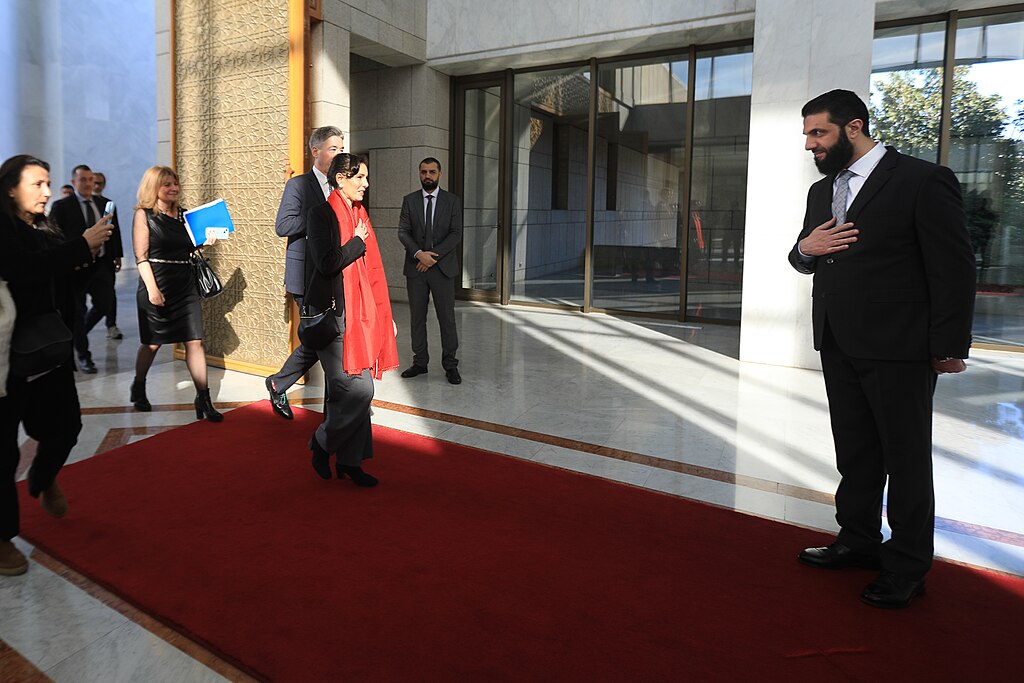
The Syrian government and Kurdish-led forces have reached a landmark ceasefire agreement that sets out a phased integration of Kurdish fighters into state institutions, easing fears of a major military confrontation in northeast Syria. Announced on Friday, the deal has been described by U.S. officials as a historic milestone for Syria’s stability and national reconciliation.
The agreement comes after Syrian government forces under President Ahmed al-Sharaa regained large areas of northern and eastern Syria this month from the Syrian Democratic Forces (SDF), pushing Kurdish fighters into a smaller enclave in the northeast. The future of the SDF, which once controlled more than a quarter of the country during Syria’s long civil war, has been one of the most sensitive political and security issues since Islamist insurgents led by Sharaa overthrew former President Bashar al-Assad 14 months ago.
Under the ceasefire deal, forces positioned along northern front lines will withdraw, while Interior Ministry security units will deploy to central areas of the cities of Hasakah and Qamishli, both previously under SDF control. The agreement also outlines the creation of a new military division that will include three SDF brigades, along with a separate brigade from the Kurdish-held town of Kobani, which will be administratively linked to Aleppo governorate. Syrian officials said the division would combine former SDF units with other state-aligned brigades.
Civil governing bodies established by Kurdish authorities in the northeast will be merged into Syrian state institutions. However, Kurdish officials said they would retain their co-chair leadership model, which includes both male and female directors. A previous integration deal reached last March failed to progress, contributing to renewed fighting before this latest accord.
U.S. envoy Tom Barrack praised both sides for taking “courageous steps,” while analysts said the deal could prevent a destructive battle in the region, though implementation will remain challenging. Turkey, which views the SDF as linked to the PKK, said it is closely reviewing the agreement. The deal aims to unify Syrian territory, with Damascus expected to eventually take control of all border crossings, including the key Semalka crossing to Iraq, pending further talks.







