


 China’s ‘Lipstick King’ Says AI Won’t Replace Livestream Hosts
  Asian Stocks Fall as Surging Bond Yields Rattle Markets
  Dollar Holds Near Two-Month High as Yen Approaches 160
  US Stock Futures Fall as Treasury Yields Surge Ahead of Trump-Xi Summit
  RBI Uses $10 Billion Currency Swaps to Drain Excess Rupee Liquidity
  Trump, Xi Focus on Trade and AI at White House Summit
  Gold Holds Near $4,275 as Rising Treasury Yields Fuel Fed Rate Hike Bets
  Asian Currencies Mixed as Dollar Holds Near Two-Month High
  Canadian Dollar Faces Pressure as Fed-BoC Policy Gap Widens
  European Stocks Fall as Bond Yields and Geopolitical Risks Weigh
  Gold Prices Fall as Treasury Yields Rise on Fed Rate Hike Bets
  Mexico-US Trade Talks Delayed to October as Tariff Negotiations Continue
  U.S. Dollar Hits Two-Month High as Oil, Treasury Yields Surge
  Japan Private-Sector Growth Slows as Domestic Demand Weakens
  Fed Unveils Stablecoin Rules Under GENIUS Act
  Japanese Yen Rebounds as Trump Flags Currency Weakness
  U.S. Treasury Yields Surge as 30-Year Hits 22-Year High


 Add as a preferred source on Google
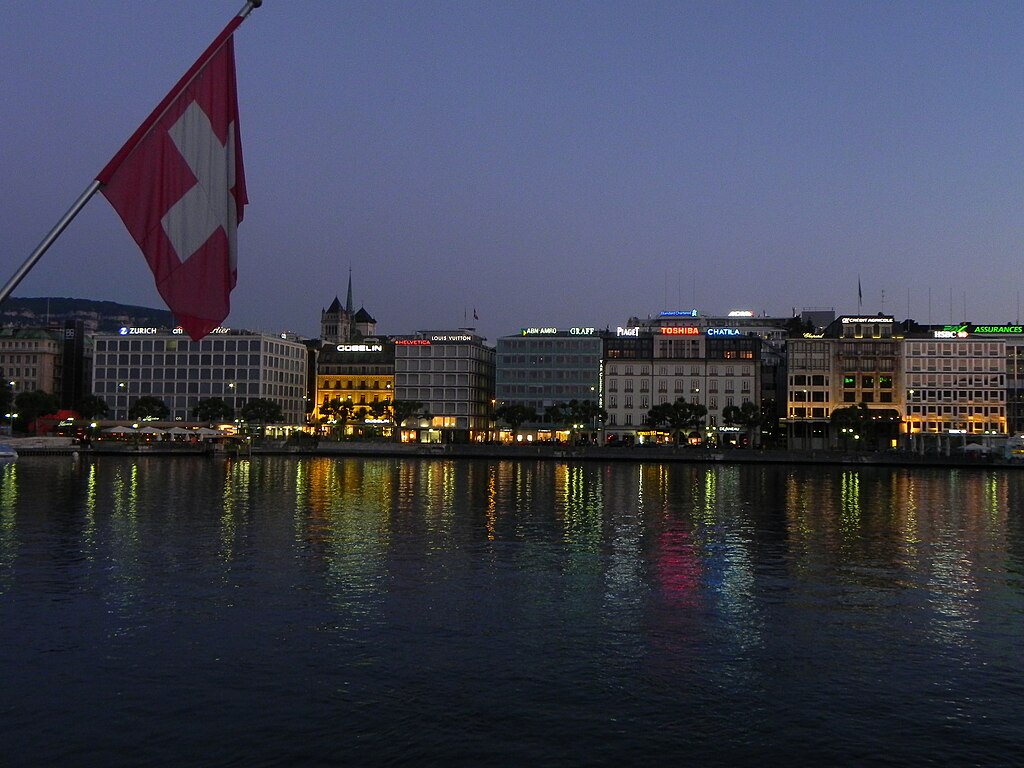
Switzerland is preparing for a high-stakes national vote on Sunday that could reshape the country’s approach to wealth redistribution. Voters will decide whether to approve a proposed 50% tax on inherited fortunes valued at 50 million Swiss francs ($62 million) or more. The initiative, introduced by the youth wing of the Social Democrats (JUSO), aims to generate billions for climate-change mitigation projects by taxing Switzerland’s wealthiest households.
According to Swiss tax authorities, roughly 2,500 residents hold assets above the 50-million-franc threshold, representing a combined wealth of about 500 billion francs. Supporters of the tax argue that the ultra-rich contribute disproportionately to carbon emissions through luxury lifestyles and therefore should take on a greater financial role in combating climate change. JUSO leader Mirjam Hostetmann notes that the country’s ten richest families produce emissions comparable to the majority of the Swiss population.
However, recent polls suggest that nearly two-thirds of voters oppose the measure, signaling an uphill battle for approval. Even so, analysts say the level of support will be an important indicator of shifting public sentiment around cost of living, social equity, and environmental responsibility in one of the world’s richest nations.
Business leaders and government officials warn that the proposed wealth tax could backfire. UBS CEO Sergio Ermotti expressed concern that the initiative could damage Switzerland’s economic reputation, while Finance Minister Karin Keller-Sutter cautioned that the tax would make the country less attractive to wealthy individuals who significantly bolster tax revenues. Opponents fear the measure could push high-net-worth residents to relocate, potentially diminishing Switzerland’s status as a global wealth management hub—a title it may already lose this year, according to forecasts by Boston Consulting Group.
Switzerland has recently shown an increased sensitivity to cost-of-living pressures, evidenced by the 2024 approval of an additional month of pension payments for seniors. If enacted, the wealth tax could raise an estimated 4 billion francs, but skeptics argue that the long-term economic risks outweigh the potential revenue boost.







