


 Jerome Powell Warns Against Politicizing the Federal Reserve, Defends Democratic Institutions
  RBI Holds Interest Rates at 5.25%, Cuts India Growth Forecast Amid Rising Global Risks
  BOJ Raises Interest Rates to 1% as Inflation Pressures Persist
  Fed Chair Kevin Warsh Signals Policy Overhaul as Hawkish Rate Outlook Rattles Markets
  ECB Set to Raise Interest Rates as Energy Shock Fuels Eurozone Inflation Concerns
  BOJ Raises Interest Rates to 31-Year High, Signals Strong Focus on Inflation Risks


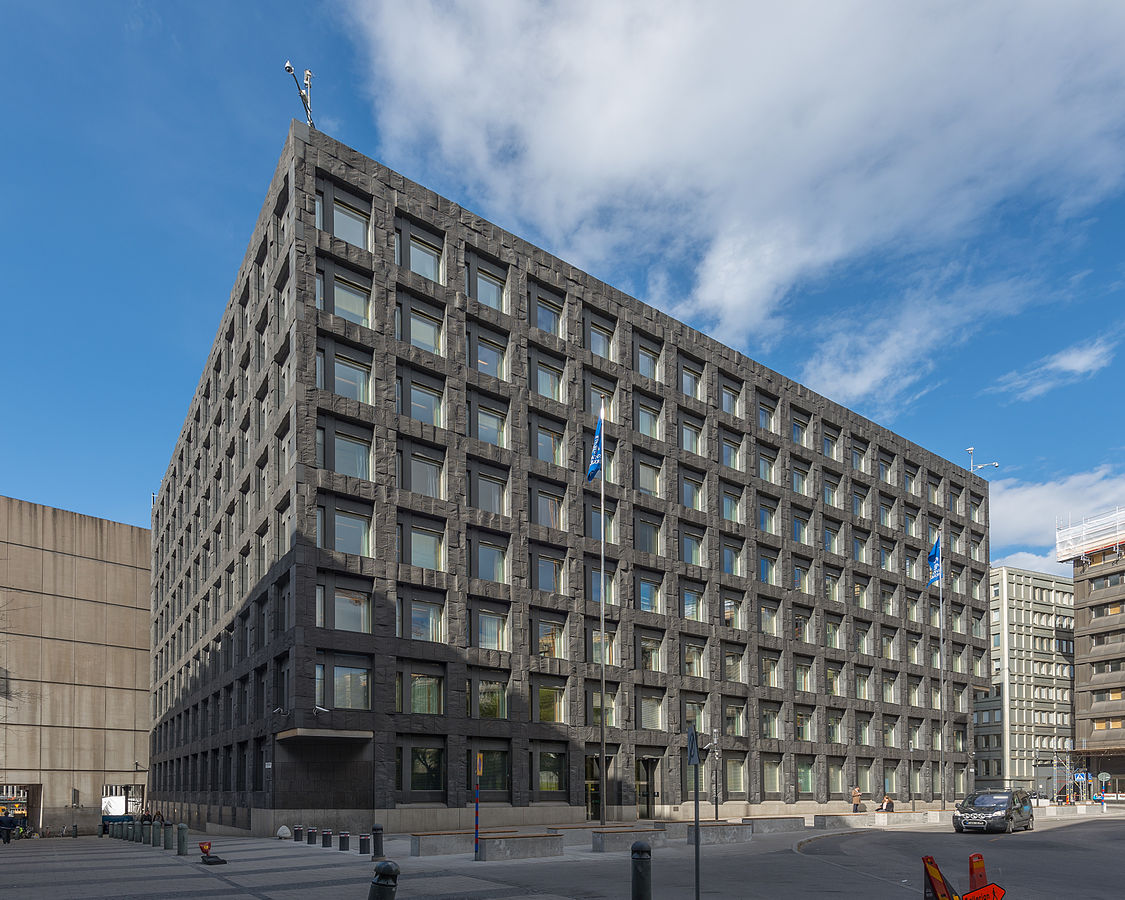
Riksbank is now concentrating on FX because it is worried that the non-FX tools are not much efficient in raising the credit multiplier and are leading funds towards low yield investments resulting in real estate and capital market disturbance.
Non-FX policy option consists of increasing buying SEK denominated assets, lowering the deposit rate below the current reading of -0.35%, or the central bank lending directly to firms sidestepping commercial banks.
"The Riksbank's apparent shift away from using domestically focused tools is a sign of economic weakness not of strength", says Societe Generale.
Riksbank's intervention might be seen as a chance to purchase cheap SEK on a dip by the investors. At present, the balance sheet of the Swedish central bank is at a moderate 15% of the GDP, much lower than the levels of other central banks.







