


 FxWirePro: Daily Commodity Tracker - 21st March, 2022


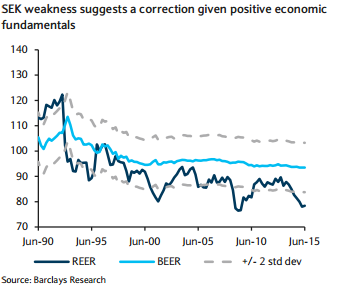
Finally, further easing is unlikely on rising financial stability concerns related to a prolonged period of low (or even negative) interest rates. Swedish household debt exceeds 85% of GDP and equates to more than 160% of household disposable income.
As such, measures to reduce vulnerabilities and risks in the household sector will likely be rather time consuming, implying an increasingly cautious monetary policy stance in the meantime and likely benefiting the SEK.

- News

- Economy

- Central Banks
- Investing
- Research
- Roundups
- Digital Currency
- Insights
- Technical Analysis
- Technology
- Business
- Law
- Health
- Nature
- Fintech
- Science
- Topic
- Opinions
- ©Econometrics LLC . All Rights Reserved.
Sweden financial stability concerns likely keeping policy stable
Monday, June 29, 2015 11:10 AM UTC
Editor's Picks



- Market Data
Most Popular




