


 US Judge Rejects $2.36B Penalty Bid Against Google in Privacy Data Case
  SpaceX Reports $8 Billion Profit as IPO Plans and Starlink Growth Fuel Valuation Buzz
  Nintendo Shares Slide After Earnings Miss Raises Switch 2 Margin Concerns
  Newly Released DOJ Epstein Files Expose High-Profile Connections Across Politics and Business
  Federal Reserve Faces Subpoena Delay Amid Investigation Into Chair Jerome Powell
  Jensen Huang Urges Taiwan Suppliers to Boost AI Chip Production Amid Surging Demand
  SoftBank Shares Slide After Arm Earnings Miss Fuels Tech Stock Sell-Off
  Meta Faces Lawsuit Over Alleged Approval of AI Chatbots Allowing Sexual Interactions With Minors
  CK Hutchison Launches Arbitration After Panama Court Revokes Canal Port Licences
  TSMC Eyes 3nm Chip Production in Japan with $17 Billion Kumamoto Investment
  Supreme Court Tests Federal Reserve Independence Amid Trump’s Bid to Fire Lisa Cook
  Alphabet’s Massive AI Spending Surge Signals Confidence in Google’s Growth Engine
  Nvidia CEO Jensen Huang Says AI Investment Boom Is Just Beginning as NVDA Shares Surge
  Instagram Outage Disrupts Thousands of U.S. Users
  SpaceX Prioritizes Moon Mission Before Mars as Starship Development Accelerates
  TrumpRx Website Launches to Offer Discounted Prescription Drugs for Cash-Paying Americans


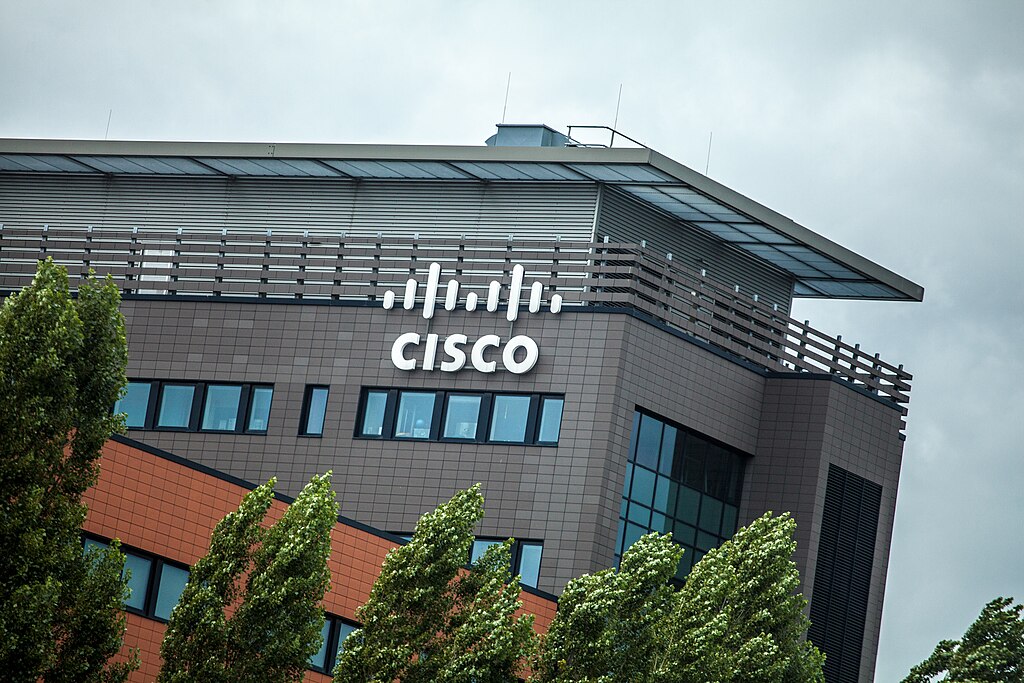
The U.S. Supreme Court has agreed to hear an appeal by Cisco Systems that could significantly reshape how American companies are held liable for alleged human rights abuses committed overseas. The case centers on the scope of the Alien Tort Statute (ATS), a 1789 federal law that has increasingly been used in recent decades to bring international human rights lawsuits in U.S. courts.
Cisco is appealing a 2023 ruling by the 9th U.S. Circuit Court of Appeals that revived a lawsuit first filed in 2011. The suit accuses the California-based technology company of knowingly developing and supplying surveillance technology that enabled the Chinese government to track, detain, and allegedly torture members of the Falun Gong spiritual movement. Plaintiffs argue that Cisco’s actions amounted to “aiding and abetting” serious human rights violations, including torture, arbitrary detention, and extrajudicial killings.
The lawsuit relies on both the Alien Tort Statute and the Torture Victim Protection Act (TVPA), a 1991 law allowing civil suits in U.S. courts against individuals involved in torture abroad. Plaintiffs allege Cisco executives facilitated abuses by helping design and implement China’s “Golden Shield,” a sophisticated internet surveillance system used to suppress dissidents.
Cisco has strongly denied the allegations, calling the claims unfounded and offensive. The company argues it sold technology to China that was legal under U.S. trade policy and maintains it did not participate in or intend to support human rights abuses. The Trump administration has backed Cisco’s appeal, urging the Supreme Court to limit the reach of the Alien Tort Statute, particularly as applied to U.S. corporations.
The case has a long procedural history. A federal judge dismissed it in 2014, citing insufficient connection to the United States. However, the 9th Circuit reversed course in 2023, finding the plaintiffs plausibly alleged Cisco knowingly provided essential assistance with awareness of likely abuses.
The Supreme Court is expected to hear oral arguments and issue a ruling by the end of June. The decision could have far-reaching implications for corporate liability, human rights litigation, and the future use of the Alien Tort Statute against U.S. companies operating abroad.













