


 SpaceX Eyes Historic IPO at $1.75 Trillion Valuation
  First Western Ship Transits Strait of Hormuz Since Iran War Began
  Europe's Aviation Sector on Track to Meet 2025 Green Fuel Mandate
  Apple Turns 50: From Garage Startup to AI Crossroads
  Annie Altman Amends Sexual Abuse Lawsuit Against OpenAI CEO Sam Altman
  UAE's Largest Natural Gas Facility Suspended After Attack-Triggered Fire
  Jefferies Upgrades Sodexo to Buy With €55 Target After Historic CEO Appointment
  Ukrainian Drones and the #MadeByHousewives Movement: Kyiv Fires Back at Rheinmetall CEO
  Private Credit Under Pressure: Is a Slow-Motion Crisis Unfolding?
  Microsoft Eyes $7B Texas Energy Deal to Power AI Data Centers
  Luxury Car Sales in the Middle East Take a Hit Amid Iran War
  Tesla Q1 2026 Deliveries Miss Estimates as AI Strategy Takes Center Stage
  Russell 1000 Companies Hit $2.2T Cash Record While Aggressively Reinvesting in Growth
  Microsoft's $10 Billion Japan Investment: AI Infrastructure and Data Sovereignty Push
  Fonterra Admits Anchor Butter "Grass-Fed" Label Misled Consumers After Greenpeace Lawsuit
  Eli Lilly and Insilico Medicine Forge $2.75 Billion AI-Driven Drug Discovery Deal
  OpenAI Executive Shake-Up Ahead of Anticipated 2026 IPO


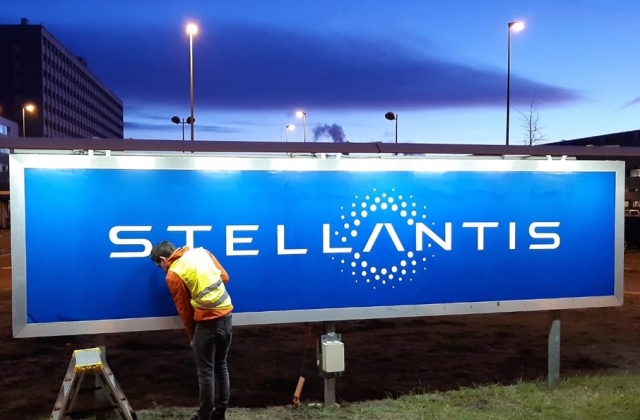
Stellantis, the parent company of Chrysler, has confirmed a data breach involving a third-party service provider that supports its North American customer service operations. The automaker announced on Sunday that the incident led to unauthorized access but emphasized that only basic contact details were exposed. According to Stellantis, no sensitive personal data, financial information, or account details were compromised.
The company said it swiftly activated its incident response protocols after detecting the breach and has begun notifying affected customers. Authorities have also been informed, and Stellantis urged customers to remain cautious of potential phishing attempts that may follow.
While Stellantis has not disclosed the number of customers impacted, the company reassured the public that it is working closely with investigators to strengthen its cybersecurity defenses. This incident underscores the growing risk of cyberattacks targeting the automotive industry as carmakers expand their digital services and rely heavily on third-party platforms.
The breach at Stellantis comes amid a surge of cyber incidents across the global auto sector. Earlier this month, Jaguar Land Rover, the British luxury carmaker, confirmed a major cybersecurity issue that severely disrupted its retail and production operations, forcing factory closures until September 24. These back-to-back incidents highlight the increasing sophistication of cybercriminals targeting large manufacturers and their supply chains.
Automotive cybersecurity has become a critical concern as vehicles and customer services rely more on digital infrastructure. Industry experts warn that threat actors are exploiting vulnerabilities in third-party systems to gain unauthorized access to sensitive networks. Automakers are responding with stronger safeguards, but the frequency of recent breaches signals an ongoing challenge for the industry.
Stellantis continues to monitor the situation closely and has assured customers that protective measures are being reinforced to prevent further disruptions.







