


 Hyundai Takes Full Control of Boston Dynamics to Accelerate Humanoid Robot and AI Strategy
  DBS Targets S$1 Trillion Wealth AUM by 2030 Amid Asia Wealth Boom
  Volkswagen Launches €28,000 ID. Cross EV as Europe’s Electric Vehicle Demand Accelerates
  BHP Q4 Iron Ore Output Rebounds as Copper Prices Boost Revenue
  UBS Boosts China Tech Bets, Adds Kuaishou and Meituan to Focus List
  Rio Tinto Reports Strong Q2 Iron Ore Sales, Maintains 2026 Production Outlook
  DeepSeek Eyes China IPO as AI Startup Seeks $71 Billion Valuation in New Funding Round
  NY Times Challenges Trump Administration Subpoenas Over Air Force One Report
  Nvidia Partners With Fanuc and Yaskawa to Accelerate AI Robotics in Japan
  Richemont Q1 Sales Beat Forecast as Cartier Demand Drives Strong Growth
  xAI Sues Man for Allegedly Using Grok to Generate AI Child Abuse Deepfakes
  Eli Lilly Eyes AtaiBeckley Acquisition to Expand Psychedelic Mental Health Pipeline
  United Airlines Beats Q2 Earnings, Raises 2026 Profit Outlook Despite Higher Fuel Costs
  Yaskawa Electric Shares Slide as Weak Profit Overshadows Strong AI Demand
  ASML Raises 2026 Outlook as AI Chip Demand Lifts Q2 Earnings
  Apple Intelligence China Approval Lifts Alibaba and Baidu Shares
  Arm Stock Falls After HSBC Downgrade, Citing Limited Near-Term AI Upside


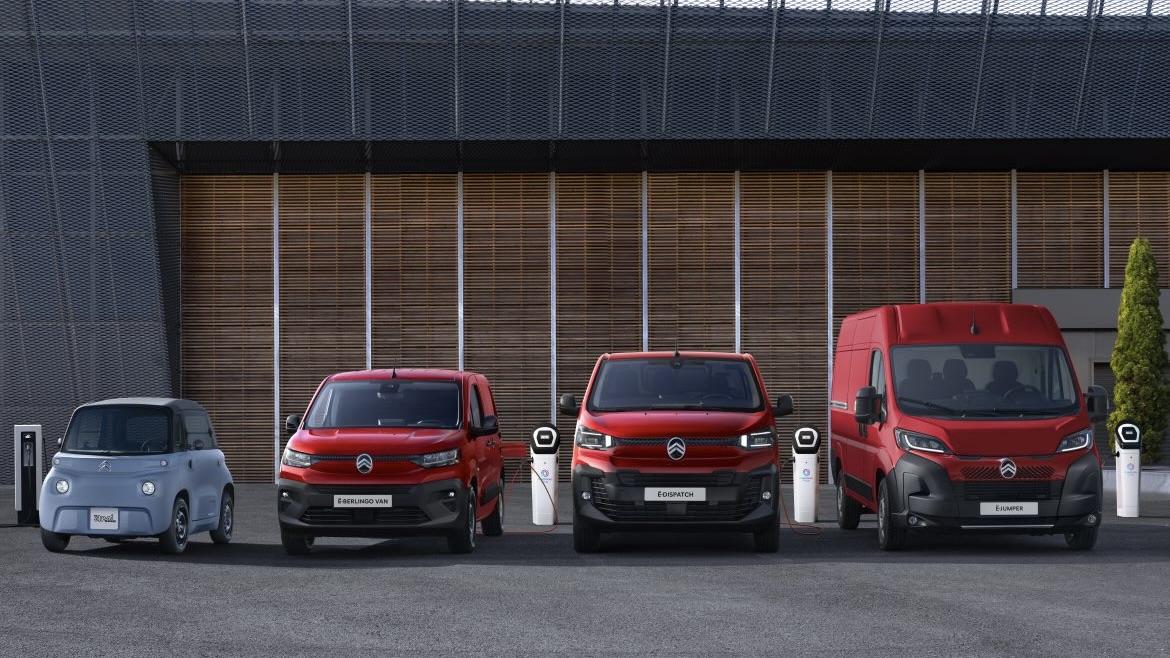
Stellantis has announced its acquisition of a 21% stake in electric vehicle (EV) manufacturer Leapmotor. The $1.6 billion deal allows Stellantis to enter the Chinese market and provides Leapmotor with a European foothold.
Legacy Carmakers Embrace Electric Future
Legacy automakers are racing to catch up in the global shift towards electric vehicles. Reuters noted that the partnership with Leapmotor allows Stellantis to access the Chinese company's advanced EV technology, ensuring its competitiveness in the rapidly evolving automotive landscape.
A Nikkei report pointed out that Chinese EV manufacturers are asserting their dominance worldwide, and Stellantis aims to capitalize on this trend. Carlos Tavares, CEO of Stellantis, acknowledged the growing influence of Chinese automakers, stating, "With this deal, we can benefit from it rather than being the victims of it."
Stellantis has faced challenges selling cars in China and is seeking a revamped strategy. The company has a joint venture with Dongfeng Motor Group, but it is now focused on leveraging its collaboration with Leapmotor for success in the Chinese market.
The recent tie-up between Volkswagen and Xpeng exemplifies the emergence of automotive alliances in China. This highlights the country's pivotal role in driving EV technology advancements.
Stellantis Eyes Export Business
As part of the joint venture agreement, Stellantis will hold a 51% stake and gain exclusive rights to export, sell, and manufacture Zhejiang Leapmotor Technology's products outside Greater China. The collaboration is projected to commence its export operations in the second half of 2024.
This partnership will significantly expand Stellantis' EV lineup, aligning with its goal of having EVs account for all European and half U.S. sales by 2030.
Leapmotor Share Concerns
Upon news of the acquisition, Leapmotor's shares fell by 11%, likely due to concerns about increased competition and potential dilution of existing shareholdings. In contrast, Stellantis shares observed a slight 1.3% decline in early trading.
The Netherlands-incorporated joint venture will grant Stellantis two seats on Leapmotor's board, solidifying its influence in its decision-making processes.
EV Price War and Consumer Demand
China's EV market is witnessing intense price competition among more than 40 EV brands, triggered by Tesla's entrance earlier this year. Despite significant price cuts, sales are slowing due to weak consumer demand, leading to margin pressures on automakers and their suppliers.
The deal between Stellantis and Leapmotor is subject to regulatory approval. Upon completion, Leapmotor will issue 194.3 million shares to Stellantis at a premium of 19% per share, resulting in Stellantis holding approximately 21.07% of the total listed shares on the Hong Kong stock exchange.
Photo: Stellantis Newsroom







