


 SoftwareONE Posts 22.5% Revenue Surge in 2025 on Crayon Acquisition
  California's AI Executive Order Pushes Responsible Tech Use in State Contracts
  Apple Turns 50: From Garage Startup to AI Crossroads
  Deere & Company Agrees to $99 Million Settlement Over Right-to-Repair Dispute
  Microsoft Eyes $7B Texas Energy Deal to Power AI Data Centers
  UAE's Largest Natural Gas Facility Suspended After Attack-Triggered Fire
  Tesla Q1 2026 Deliveries Miss Estimates as AI Strategy Takes Center Stage
  Samsung Electronics Eyes Record Q1 Profit Amid AI-Driven Chip Boom
  Elon Musk Ties SpaceX IPO Access to Mandatory Grok AI Subscriptions
  NASA's Artemis II Crew Arrives in Florida for Historic Moon Mission
  UPS and Teamsters Reach Agreement to Limit Driver Severance Program
  MATCH Act Targets ASML and Chinese Chipmakers in New U.S. Export Crackdown
  China's Push to Steal Taiwan's Chip Technology and Talent Raises Security Alarms
  Apple's Foldable iPhone Faces Engineering Setbacks, Mass Production Timeline at Risk
  Microsoft's $10 Billion Japan Investment: AI Infrastructure and Data Sovereignty Push
  CTOC Adds 3,000 Doctors, 500 Hospitals Ahead of Liquidity Push
  Meta Ties Executive Pay to Aggressive Stock Price Targets in Major Retention Push


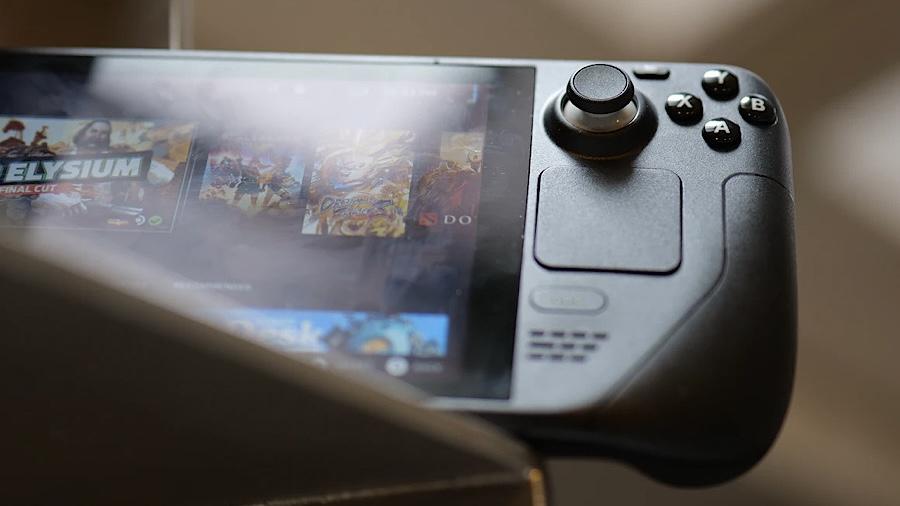
Valve says it has increased its manufacturing capabilities to meet the demand for its handheld gaming PC. The company then announced on Thursday that customers can now order the device even if they do not have a reservation.
The Steam Deck launched at a time when almost every tech company had to navigate supply chain issues. Valve's solution right at the beginning was to set up a reservation system, where customers have to queue just to place an order for the hardware. But the company now says that requirement has been removed, and any customer where the Steam Deck is available can now order it.
"Supply chain issues kept us from producing steam decks fast enough to meet demand. But now, even though, the rate of reservations keep growing, we've been able to increase our manufacturing volume to meet demand," Valve said in a video announcement on Thursday. "As of today, you no longer make a reservation for a Steam Deck."
For PC gamers who paid $5 to queue in the previous reservation system, Valve said they should receive an order email soon. This means customers whose original order window was not for another quarter no longer have to wait months to place an order.
Valve, however, noted that supply chain issues it previously faced could still arise in the future. The company said if it receives an overwhelming order volume compared to its current manufacturing capacity, it may have to reinstate the Steam Deck reservation system.
The no-reservation orders for Steam Deck appear to only apply to territories where the device first shipped, which includes the United States, Canada, Europe, and the United Kingdom. In the same video announcement, Valve said it is "starting to take reservations" in Japan, South Korea, Taiwan, and Hong Kong.
Valve also launched the official Steam Deck docking station for $89 on Thursday. It has three USB-A 3.1 ports and a USB-C power port. Players can also use it to connect the device to external monitors via DisplayPort, HDMI, and Gigabit Ethernet. But the company noted that SteamOS supports third-party USB hubs or docks.
Photo by Petar Vukobrat on Unsplash







