


 WordPress Malware Uses Ethereum to Evade Removal
  Malaysia Aviation Group to Buy Airbus SAE Unit
  Goldman Sachs Names CATL, Zenergy Top China Battery Picks
  Lynas Shares Slide on A$968 Million Meteoric Resources Deal
  Trump Praises Boeing 737 Max After Flydubai Crash Attempt
  Disney Plans TV Restructuring With Hundreds of Layoffs
  Robinhood Stock Nears $114 as Jobs Data Boosts Risk Appetite
  AAVE, PUMP, WLD and SKY Rally as Crypto Market Slips
  Coinbase, Circle Stocks Slide as Bank Group Sues OCC Over Crypto Charters
  Amazon Eyes $8 Billion Nvidia Chip Spinoff to Fund AI Expansion
  Sanofi, Regeneron Expand Drug Partnership in $8 Billion Deal
  MSTR Stock Rises 3% as Strategy Challenges MSCI Bitcoin Stance
  Italgas to Buy 22.5% Stake in Portugal’s Floene for €120 Million
  Zcash Awards $8 Million in Grants After Orchard Bug Crisis
  Evernorth Set for Nasdaq Debut With 473 Million XRP Treasury
  California AG Subpoenas OpenAI Over AI Cybersecurity Incidents


 Add as a preferred source on Google
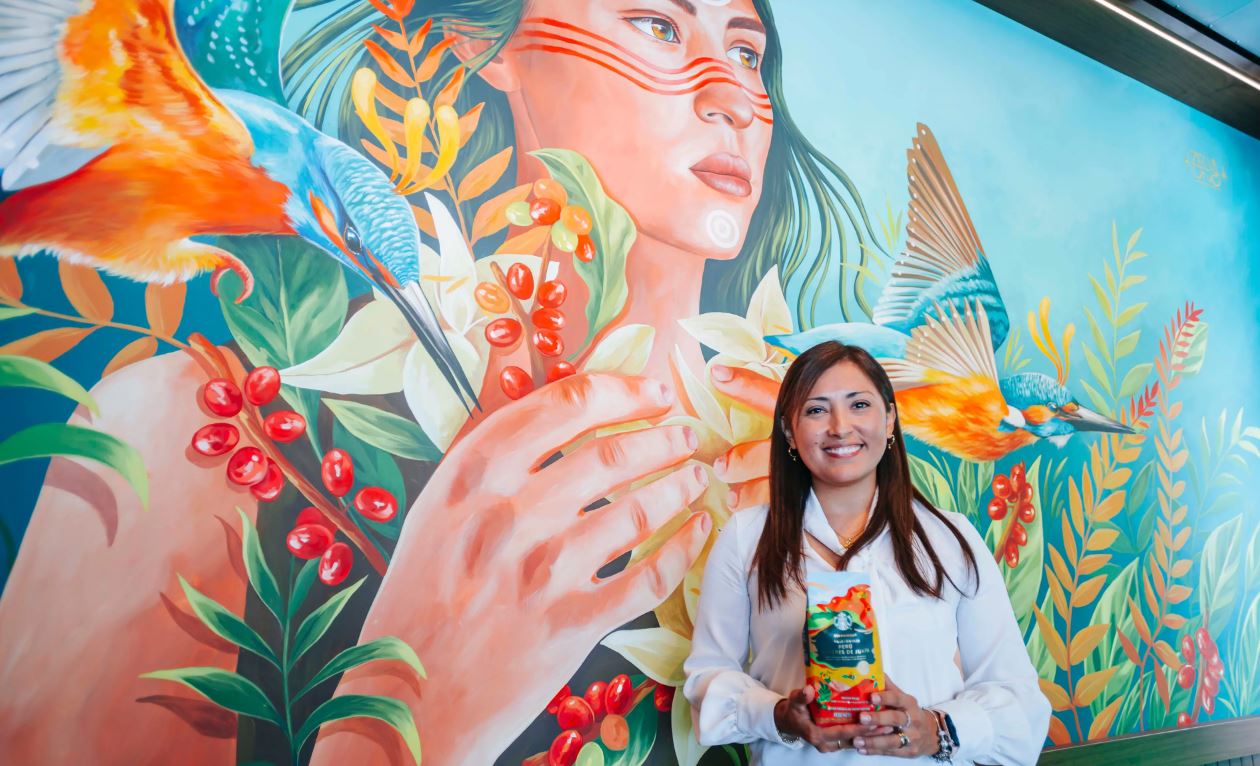
Starbucks recently unveiled its first four Greener Stores in Costa Rica, signaling a commitment to reducing global carbon emissions, water usage, and waste sent to landfills by 50% by 2030. The initiative aims to set new standards for environmental sustainability in the coffee industry.
Environmental Impact Standards
Starbucks stores must meet stringent criteria across eight key environmental impact areas to achieve Greener Store certification. Tico Times reported that these standards were developed in collaboration with the World Wildlife Fund (WWF) and SCS Global Services and cover aspects such as water stewardship, energy efficiency, waste diversion, and sustainable materials.
Starbucks' Greener Stores in Costa Rica focus on resource efficiency by incorporating energy-rated appliances, low-flow plumbing fixtures, and responsible building materials. These practices minimize waste and create healthier store environments for partners and customers.
The company is actively reducing its environmental footprint by implementing energy-saving technologies and promoting waste reduction initiatives like the Starbucks Grounds For Your Garden program. The Greener Stores also feature sustainable furniture and textiles sourced from local artisans.
According to a press release, with Greener Stores already established in 44 markets globally, Starbucks is expanding its sustainable footprint to new regions like India, Hong Kong, Italy, and Costa Rica. The inclusion of markets like Indonesia, Malaysia, and Spain underscores the company's dedication to environmental stewardship on a global scale.
Sustainable Practices in Action
One example is the Alsacia Shop and Visitor Center, a solar-powered structure in Costa Rica. This eco-friendly store utilizes solar energy, native plants, and locally sourced materials to create a sustainable and welcoming space for visitors.
Starbucks' chief sustainability officer, Michael Kobori, emphasized the company's dedication to environmental sustainability. Through initiatives like reusable cups and partnerships with coffee farmers, Starbucks is driving positive change in the industry.
Community Engagement
The Greener Stores prioritize environmental impact reduction and engage with local communities. Starbucks aims to create a positive impact beyond its store walls by offering sustainable options and promoting eco-friendly practices.
With features like electric vehicle charging stations and recycling programs, Starbucks is committed to ongoing innovation in sustainability. The company's dedication to environmental responsibility is evident in its operations.
Photo: Starbucks Newsroom







