


 Instagram Outage Disrupts Thousands of U.S. Users
  TSMC Eyes 3nm Chip Production in Japan with $17 Billion Kumamoto Investment
  Jensen Huang Urges Taiwan Suppliers to Boost AI Chip Production Amid Surging Demand
  Baidu Approves $5 Billion Share Buyback and Plans First-Ever Dividend in 2026
  SpaceX Reports $8 Billion Profit as IPO Plans and Starlink Growth Fuel Valuation Buzz
  Nvidia Nears $20 Billion OpenAI Investment as AI Funding Race Intensifies
  Alphabet’s Massive AI Spending Surge Signals Confidence in Google’s Growth Engine
  Oracle Plans $45–$50 Billion Funding Push in 2026 to Expand Cloud and AI Infrastructure
  Nvidia Confirms Major OpenAI Investment Amid AI Funding Race
  Sony Q3 Profit Jumps on Gaming and Image Sensors, Full-Year Outlook Raised
  Sam Altman Reaffirms OpenAI’s Long-Term Commitment to NVIDIA Amid Chip Report
  Tencent Shares Slide After WeChat Restricts YuanBao AI Promotional Links
  Nvidia CEO Jensen Huang Says AI Investment Boom Is Just Beginning as NVDA Shares Surge
  SpaceX Prioritizes Moon Mission Before Mars as Starship Development Accelerates
  Elon Musk’s SpaceX Acquires xAI in Historic Deal Uniting Space and Artificial Intelligence


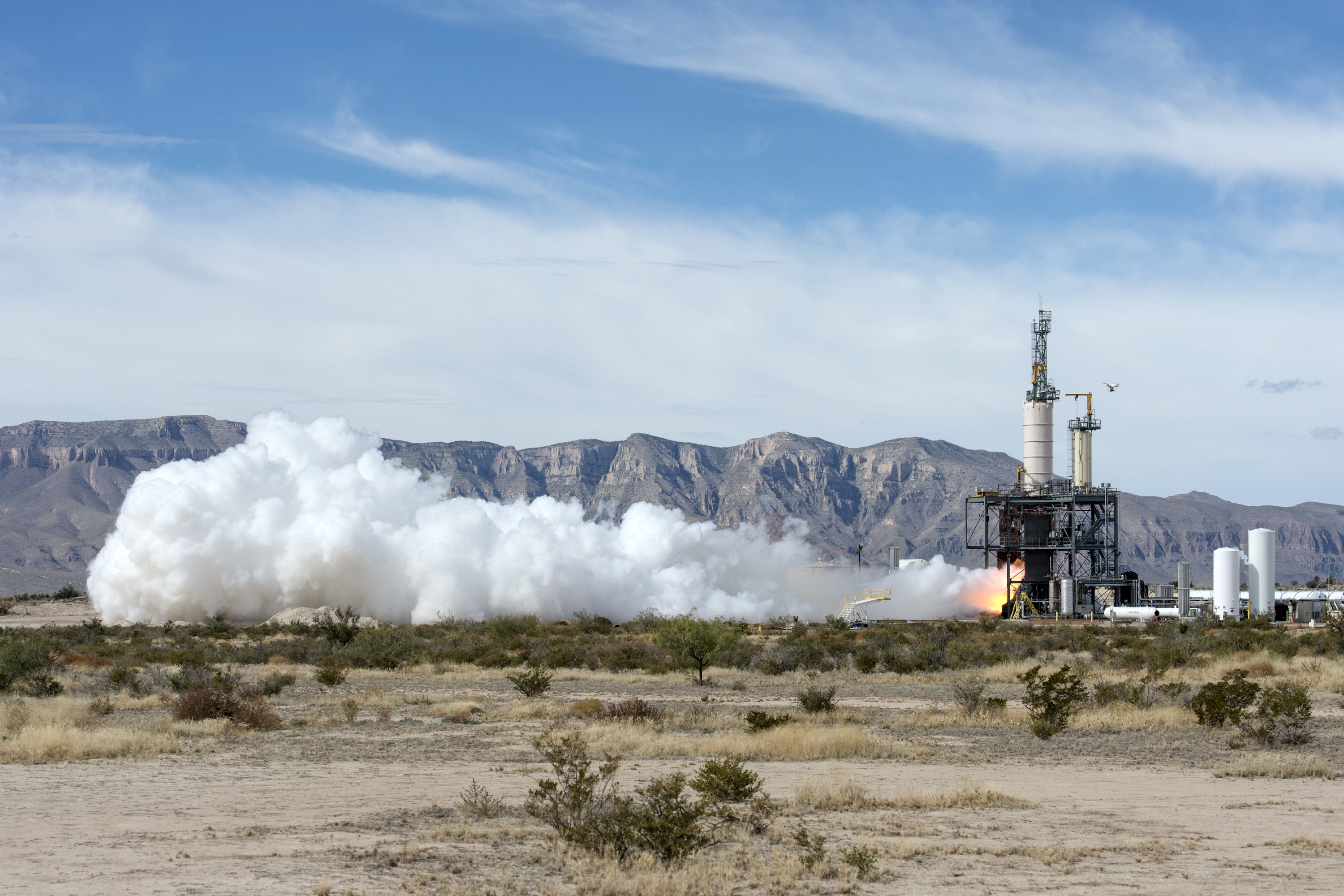
Following several delays, Blue Origin, the private space company by Amazon billionaire owner Jeff Bezos finally launched a reused rocket into space for the first time. This finally puts the SpaceX rival much closer to catching up to the achievements that the company owned by Tesla CEO Elon Musk has already engraved in stone.
Unlike SpaceX, the eventual goal of Blue Origin is to bring tourists up into space and monetize the whole experience much like any travel agency would. The only the difference is in the scope and amount of fee involved. On Sunday, the company came one step closer to making this dream a reality by launching a Shepard rocket from Texas, CNET reports.
This is only the eight time that the company has been able to test its system to successfully launch and in this case, the rocket actually reached an altitude of 350,000 feet (106,680 meters). This was only about five percent higher than the previous flight test, but progress is still progress.
More to the point, the biggest story here is the fact that the rocket launched was actually used, which is relevant to the company’s plans in many ways. For starters, it would cut operating costs significantly since it would mean that Blue Origins could reuse its rockets over and over without having to build a new one every time. Doing so would be incredibly costly.
Much like the Falcon 9 rockets, the booster for the Shepard came back to Earth and landed on its own. The same goes for its capsule, which first came down via parachute before using rocket thrusters, CBS News reports. Both of these parts were already used.
In terms of direct competition, Virgin Galactic is much closer as a rival than SpaceX to Blue Origin since the company by Richard Branson will also focusing on space tourism. It’s simply the means of actually doing it that sets these private space agencies apart.













