


 OpenAI Executive Shake-Up Ahead of Anticipated 2026 IPO
  UPS and Teamsters Reach Agreement to Limit Driver Severance Program
  U.S. Automakers Push Back Against EU Rules Blocking American Trucks from European Market
  Alibaba Shares Slide as Jefferies Slashes Price Target Over AI Spending and Business Losses
  Foreign Investors Pour $18.65 Billion into Japanese Stocks Amid Market Stabilization
  Bank of America Identifies Top Asia-Pacific Semiconductor Stocks Poised for AI-Driven Growth
  Apple's Foldable iPhone Faces Engineering Setbacks, Mass Production Timeline at Risk
  LG Electronics Posts Record Q1 Revenue Amid Strong Demand and Cost Improvements
  Paramount Skydance Secures $24B from Gulf Sovereign Wealth Funds for Warner Bros. Discovery Takeover
  China Vanke Seeks Bond Extension Amid Mounting Debt Crisis
  FedEx Pilots and Union Reach Tentative Agreement on 40% Pay Increase
  Bill Ackman Eyes New Fund to Bet Against Market Complacency
  BHP's Incoming CEO Visits China Amid Pricing Dispute with CMRG
  Disney Plans to Cut 1,000 Jobs Amid Ongoing Restructuring Efforts
  Pony.ai, Uber, and Verne Launch Europe's First Commercial Robotaxi Service in Zagreb


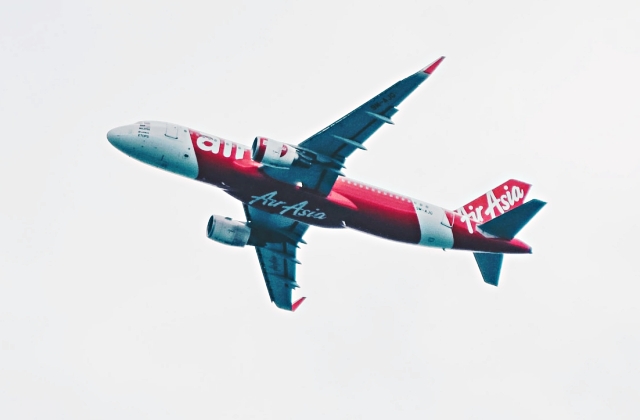
Southeast Asia’s top low-cost airlines are aggressively expanding capacity despite rising operational costs and thin profit margins. Airlines like AirAsia, VietJet, and Cebu Pacific are racing to dominate a rapidly growing travel market, especially with strong demand from Chinese tourists and increasing regional travel.
However, profitability is under pressure. The International Air Transport Association (IATA) forecasts a 1.9% net profit margin for Asia-Pacific airlines in 2025—nearly half the global average of 3.7%. International airfares in Asia dropped 12% year-over-year in 2024, with AirAsia reporting a 9% decline in average fares as it passed on savings from lower fuel prices while expanding capacity.
Intensifying competition and soaring costs—including labor, airport charges, and aircraft leasing—have pushed some carriers to the brink. Qantas Airways recently announced it will shut down Jetstar Asia by July, citing steep cost increases in Singapore. The airline will redeploy its 13 aircraft to more profitable markets in Australia and New Zealand.
Meanwhile, larger rivals continue to scale. AirAsia operates 225 aircraft and holds an orderbook exceeding 350 planes, with CEO Tony Fernandes confirming plans to buy up to 170 more jets. VietJet, with 117 aircraft, just signed a provisional deal for 150 Airbus jets and is also acquiring 20 A330neos, in addition to 200 pending Boeing 737 MAX orders. Scoot and Cebu Pacific are similarly expanding.
Roughly two-thirds of international flights within Southeast Asia are now operated by budget carriers—double the global average. Experts warn that while growth is essential, maintaining profitability in the world’s most competitive aviation market is critical. As Subhas Menon of the Association of Asia Pacific Airlines puts it, “At the end of the day, it is go big or go home.”







