


 Toyota Global Sales Fall for Seventh Month as China Demand Slumps
  Australia Budget Deficit Narrows to A$22.3 Billion on Stronger Tax Revenue
  CNN, Politico and MS NOW Seek Court Order Blocking Trump White House Ban
  How ongoing deforestation is rooted in colonialism and its management practices
  CSL Partners With AWS to Bring AI Into Drug Research
  LA fires: Long-term exposure to wildfire smoke is poorly understood − and a growing risk
  Asian Stocks Fall as Oil Surge, Bond Yields and AI Concerns Hit Markets
  Hengrui Shares Rise on $2.6 Billion Novo Nordisk Obesity Drug Deal
  Lake beds are rich environmental records — studying them reveals much about a place’s history
  RBA Hikes Interest Rate to 4.60% as Inflation Risks Rise
  Samsung Invests $1 Billion in KKR’s Helix AI Infrastructure
  Nvidia China Chip Sales Report Sends Chinese Semiconductor Stocks Lower
  OpenAI Scraps GPT-6.1 Astra Launch Over Safety Concerns
  Robinhood Chain Token Ring Allegedly Extracts $18.4 Million Across 53 Launches
  Franklin Templeton Partners With Bybit for Tokenized Fund Collateral
  Asian Currencies Weaken as Dollar, Oil Prices Rise
  China Cuts Tariffs on U.S. Farm Goods but Excludes Soybeans


 Add as a preferred source on Google
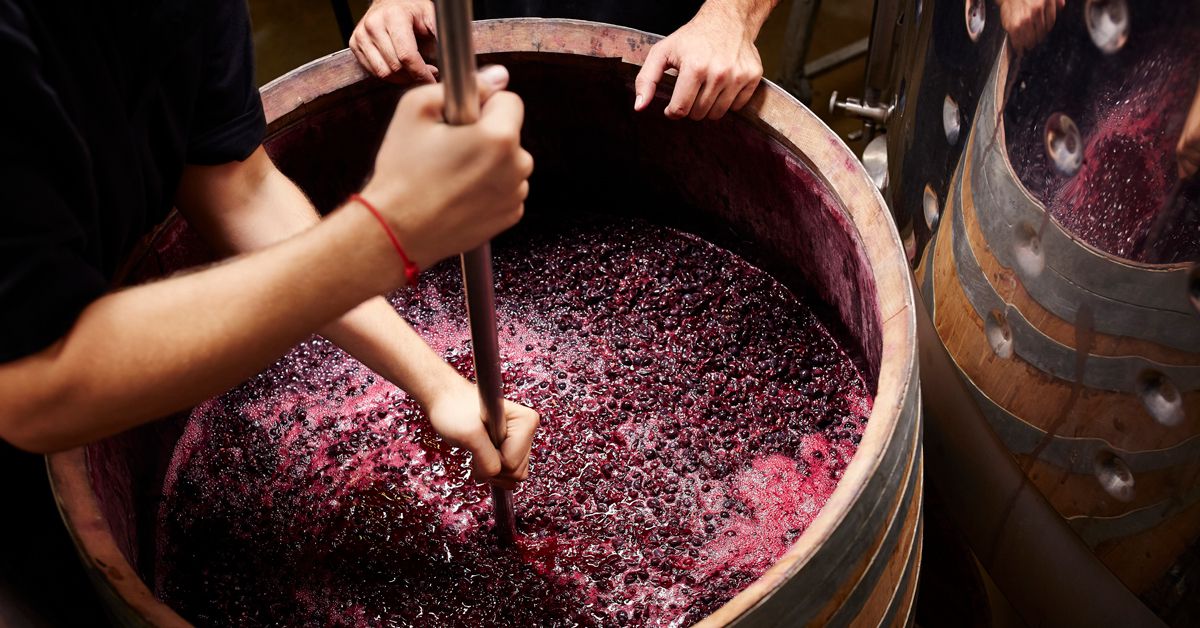
South Korean startup DECANT has succeeded in bio-recycling tens of millions of tons of wine-making by-products that were being wasted annually into high-value-added beauty products.
Using green decanting technology, the company has developed a variety of beauty products made of pomace, a collective term for grape seeds, stems, and skins generated during the wine extraction process.
VINOIR, the company's green beauty brand, has already established a presence on Amazon and is set to debut in the domestic market in the second half of this year.
DECANT's acquisition of wineries in Tasmania, Australia, and pomace from Bourgogne, France, ensured its global competitiveness.
Due to technical difficulties and processing difficulties, pomace, a by-product generated during the winemaking process, has been wasted.
Pomace has long been considered a significant environmental threat because it produces carbon and acidifies soils.







