


 Japanese Bank Stocks Surge as Bond Yields Fuel Rate Hike Bets
  Gold Prices Fall as Treasury Yields Rise on Fed Rate Hike Bets
  Asian Currencies Mixed as Dollar Holds Near Two-Month High
  US Stock Futures Fall as Treasury Yields Surge Ahead of Trump-Xi Summit
  US Comfortable With Canada Trade Standoff as Import Bans Loom
  Australia Unemployment Hits Five-Year High Despite Strong Jobs Growth
  Oil Prices Jump 3% as Houthi Attack Revives Supply Fears
  Gold Holds Near $4,275 as Rising Treasury Yields Fuel Fed Rate Hike Bets
  Dollar Holds Near Two-Month High as Yen Approaches 160
  Canadian Dollar Faces Pressure as Fed-BoC Policy Gap Widens
  European Stocks Fall as Bond Yields and Geopolitical Risks Weigh
  Fed Unveils Stablecoin Rules Under GENIUS Act
  Japanese Yen Rebounds as Trump Flags Currency Weakness
  Soybean Futures Slip as Traders Await Trump-Xi Trade Signals
  Dollar Falls as Oil Eases, Yen Jumps on Intervention Signals
  Asian Stocks Fall as Bond Yields Surge Ahead of Trump-Xi Summit
  China Agrees to Buy 20 Million Tons of U.S. Coal


 Add as a preferred source on Google
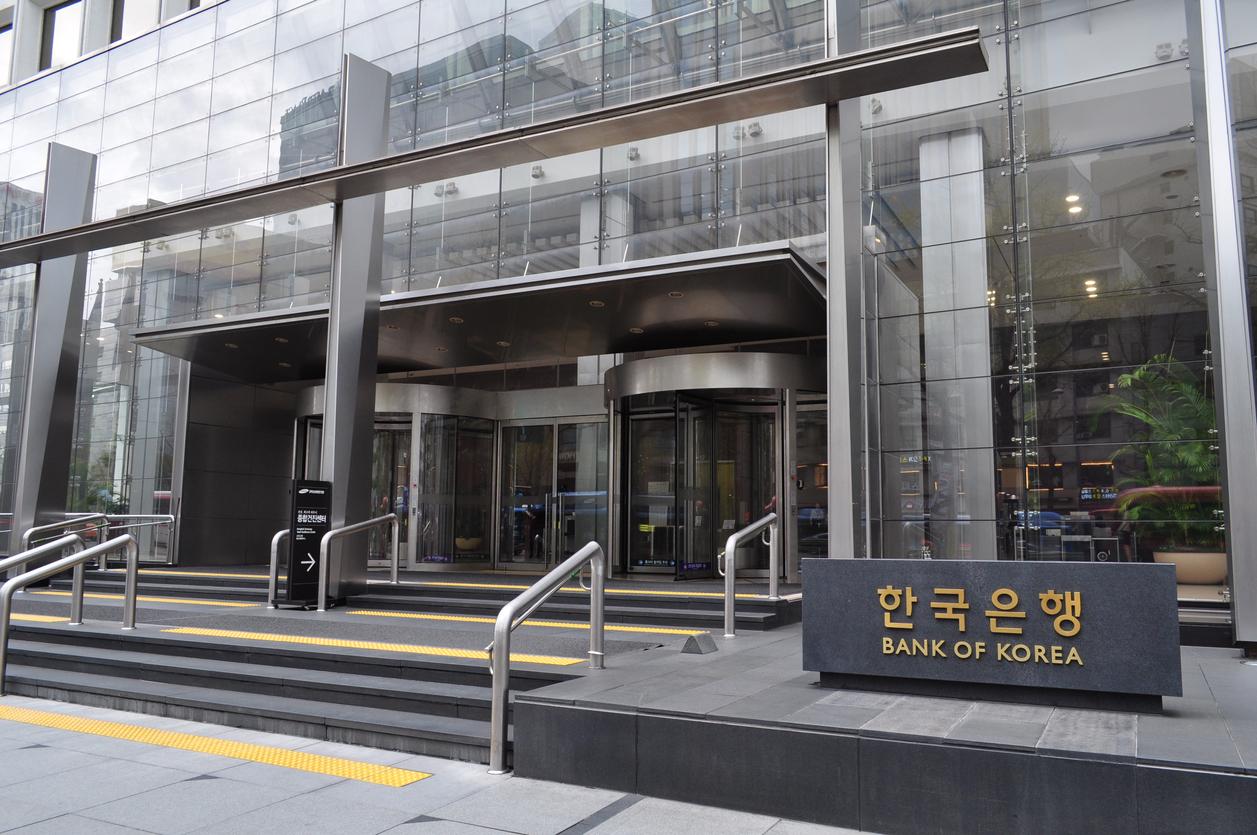
South Korea's central bank cautioned that escalating tensions in the U.S.-China trade war could prolong market instability, increase capital outflow risks, and amplify dollar-won exchange rate volatility. The Bank of Korea (BOK) highlighted concerns that fluctuations in the yuan and dollar significantly impact the won’s value, potentially leading to heightened currency market turbulence.
In its latest monetary policy report, the BOK warned that the ongoing trade conflict between the world's two largest economies could intensify, posing further economic challenges for South Korea. The central bank pledged to closely monitor foreign investment trends and currency movements to mitigate risks associated with potential capital withdrawals.
The South Korean won has strengthened by 1.6% against the dollar this year after plunging 14% last year, marking it as one of Asia’s worst-performing currencies in 2024. In response to economic pressures, the BOK cut interest rates by 25 basis points on February 25, marking its third rate reduction since October when it began easing from a 15-year high. The central bank also slashed its GDP forecasts, signaling ongoing economic uncertainty.
Adding to economic concerns, domestic political instability following the brief declaration of martial law by impeached President Yoon Suk Yeol in December has dampened consumer confidence. The combined impact of political unrest and trade tensions threatens corporate profitability and economic growth.
With global trade uncertainties mounting, South Korea remains vigilant against external shocks that could disrupt its financial stability. The BOK's proactive stance underscores the challenges faced by Asia’s fourth-largest economy as it navigates turbulent market conditions.







