


 Dollar Hits Two-Month High as Fed Rate Hike Bets Rise
  US Dollar Hits Two-Month High as Fed Rate Hike Bets Rise
  U.S. 10-Year Treasury Yield Hits 2007 High as Fed Rate Hike Bets Rise
  South Korea, US Discuss Warship Building Cooperation
  Netanyahu Defends Israel at UN as Delegates Stage Walkout
  Russian Envoy Dmitriev Heads to US for Ukraine Talks
  Gold Drops Over 1% as Dollar, Treasury Yields Surge on Fed Rate Hike Bets
  NATO Boosts Intelligence Sharing Amid Russia Hybrid Threats
  Mexico-US Trade Talks Delayed to October as Tariff Negotiations Continue
  France Defends Netanyahu Airspace Clearance Despite ICC Warrant
  Wall Street Falls as Treasury Yields Surge, Oil Rebounds on Iran Tensions
  North Korea Rejects Nuclear Test Warning, Calls Nuclear Status Irreversible
  European Stocks Slip as Iran Tensions Offset Strong Eurozone Data
  US Officials Split Over Response to Israeli West Bank Settlements
  US Stock Futures Fall as Treasury Yields Surge Ahead of Trump-Xi Summit
  Asian Currencies Mixed as Dollar Holds Near Two-Month High


 Add as a preferred source on Google
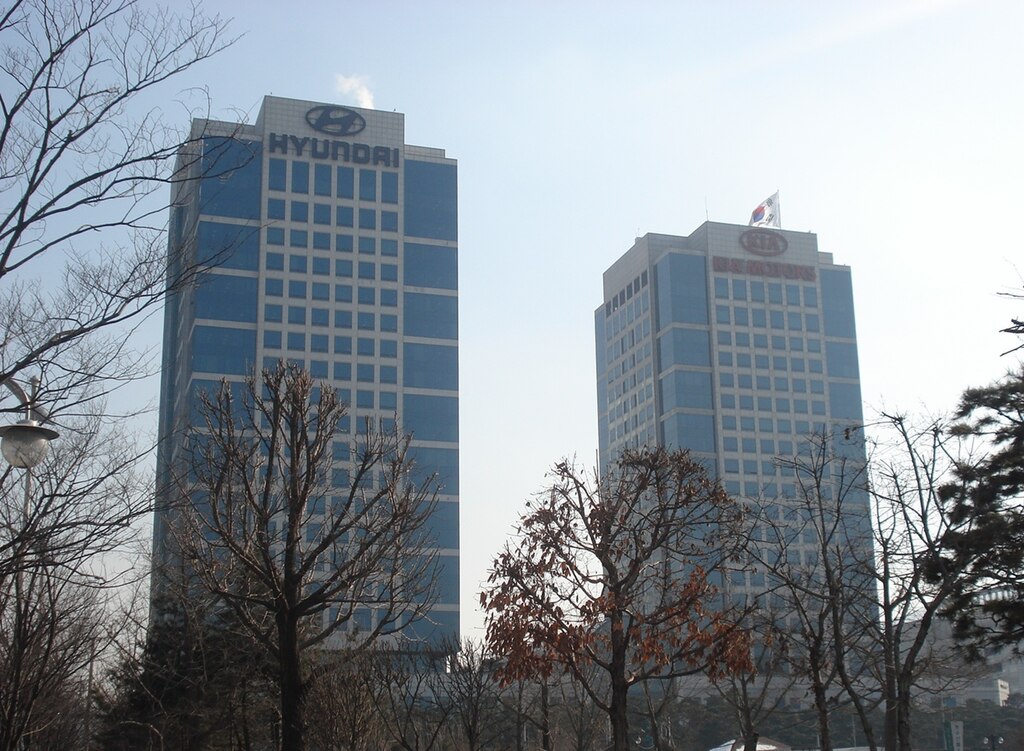
South Korea has announced a sweeping emergency package to support its auto industry in response to U.S. President Donald Trump’s 25% tariff on imported cars and light trucks, set to begin Thursday. The tariff affects over $460 billion in annual imports and is expected to significantly impact South Korean automakers, who rely heavily on exports to the U.S.—$34.7 billion in 2024 alone, or 49% of their total.
To mitigate the fallout, the South Korean government will increase policy financing for automakers to 15 trillion won ($10.18 billion) in 2025, up from 13 trillion won. It will also reduce automobile purchase taxes from 5% to 3.5% until June 2025 and expand electric vehicle (EV) subsidies to 30%-80% of sticker prices, extended through year-end.
Officials acknowledged the nation’s limited local production in the U.S. puts it at a disadvantage compared to other countries, warning of "significant" damage to auto and parts manufacturers. However, specific financial estimates remain uncertain.
South Korea pledged to negotiate with the U.S. to prevent unequal treatment and will boost efforts to expand auto exports to the Global South, including Latin America, Africa, and Asia.
Hyundai Motor, whose U.S. market is its largest revenue source, recently committed to keeping prices steady for two months and reiterated it has no plans to increase prices despite the tariff. This comes after the company’s $21 billion U.S. investment announced in March.
Analysts suggest Trump may use the aggressive tariff approach to prompt faster negotiations. While all vehicle supply chains will be affected, the EV sector may face greater challenges due to its reliance on Chinese parts.







