


 Fed Unveils Stablecoin Rules Under GENIUS Act
  U.S. Dollar Hits Two-Month High as Oil, Treasury Yields Surge
  Russian Envoy Dmitriev Heads to US for Ukraine Talks
  European Stocks Fall as Bond Yields and Geopolitical Risks Weigh
  Australia Unemployment Hits Five-Year High Despite Strong Jobs Growth
  Soybean Futures Slip as Traders Await Trump-Xi Trade Signals
  Wall Street Ends Flat as Oil, Treasury Yields and Fed Jitters Rattle Markets
  Asian Stocks Fall as Bond Yields Surge Ahead of Trump-Xi Summit
  Mexico-US Trade Talks Delayed to October as Tariff Negotiations Continue
  Asian Currencies Mixed as Dollar Holds Near Two-Month High
  Trump, Xi Focus on Trade and AI at White House Summit
  US 10-Year Treasury Yield at 6% Emerges as New Market Risk Threshold
  Oil Prices Jump 3% as Houthi Attack Revives Supply Fears
  US, China Extend Trade Truce to Jan. 10 Ahead of Trump-Xi Summit
  China’s ‘Lipstick King’ Says AI Won’t Replace Livestream Hosts
  Gold Drops Over 1% as Dollar, Treasury Yields Surge on Fed Rate Hike Bets


 Add as a preferred source on Google
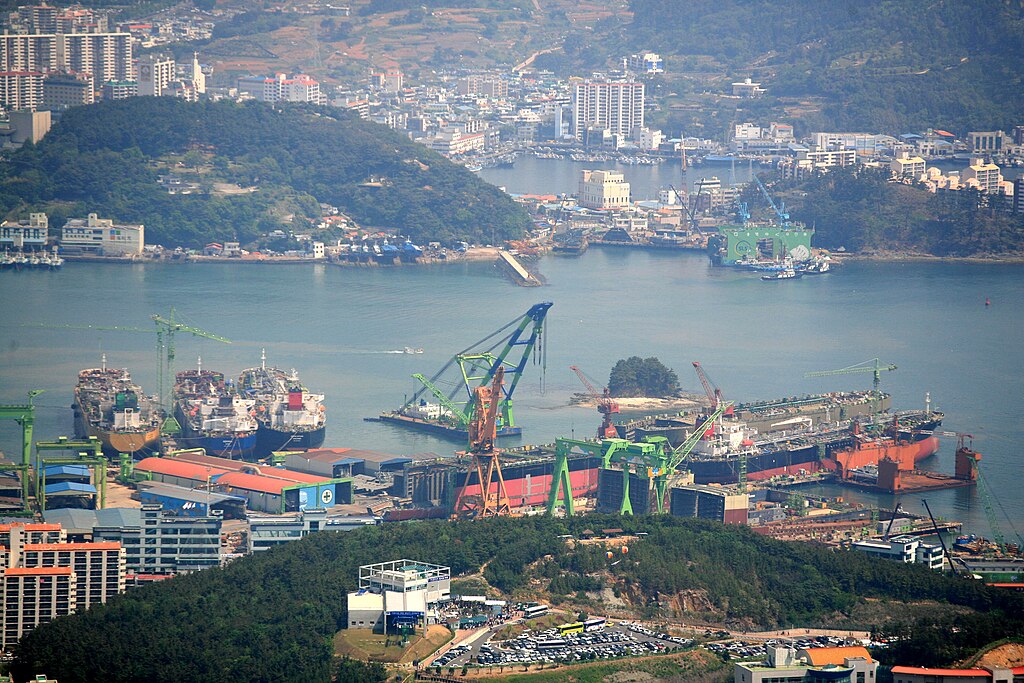
South Korea’s economy expanded faster than expected in the second quarter of 2026, supported by resilient semiconductor exports as global demand for artificial intelligence (AI) technologies continued to boost the country’s leading chipmakers.
According to government data released on Thursday, South Korea’s gross domestic product (GDP) increased 3.7% year-over-year in the April-to-June period, exceeding market expectations of 3.5%. While the pace eased slightly from the 3.8% annual growth recorded in the first quarter, it underscored the economy’s continued resilience amid global economic uncertainty.
On a quarterly basis, GDP rose 0.6%, also outperforming analysts’ forecasts of 0.4%. The stronger-than-expected reading reflected solid external demand, particularly for advanced semiconductor products used in AI applications.
South Korea’s technology sector remained the primary growth engine during the quarter. Global investment in AI infrastructure continued to fuel demand for high-performance memory chips, benefiting industry leaders such as Samsung Electronics and SK Hynix. The sustained strength in semiconductor exports helped offset broader economic headwinds and reinforced the country's position as a major supplier in the global AI supply chain.
Despite the positive export performance, domestic conditions remained mixed. Private consumption softened during the quarter, while the country’s property market continued to cool, limiting overall economic momentum. Ongoing geopolitical tensions in the Middle East also created uncertainty for global trade and energy markets, although South Korea’s export-driven economy proved resilient against those challenges.
The latest GDP figures suggest that Asia’s fourth-largest economy continues to benefit from the rapid expansion of the AI industry, with semiconductor exports providing a strong foundation for growth even as domestic demand shows signs of moderation.
As AI investment accelerates worldwide, South Korea’s chipmakers are expected to remain key beneficiaries, positioning the country to maintain stable economic growth despite external risks and softer consumer activity. Strong demand for advanced memory chips is likely to remain a crucial driver of exports and overall economic performance in the coming quarters.







