


 U.S. 10-Year Treasury Yield Hits 2007 High as Fed Rate Hike Bets Rise
  Wall Street Ends Flat as Oil, Treasury Yields and Fed Jitters Rattle Markets
  Gold Holds Near $4,275 as Rising Treasury Yields Fuel Fed Rate Hike Bets
  Fed Unveils Stablecoin Rules Under GENIUS Act
  US Stock Futures Fall as Treasury Yields Surge Ahead of Trump-Xi Summit
  Asian Currencies Mixed as Dollar Holds Near Two-Month High
  U.S. Treasury Yields Surge as 30-Year Hits 22-Year High
  Mexico-US Trade Talks Delayed to October as Tariff Negotiations Continue
  Oil Prices Jump 3% as Houthi Attack Revives Supply Fears
  RBI Uses $10 Billion Currency Swaps to Drain Excess Rupee Liquidity
  China’s ‘Lipstick King’ Says AI Won’t Replace Livestream Hosts
  South Korea, US Discuss Warship Building Cooperation
  Australia Unemployment Hits Five-Year High Despite Strong Jobs Growth
  Russian Envoy Dmitriev Heads to US for Ukraine Talks
  Oil Prices Surge as U.S.-Iran Diplomacy Hopes Fade
  Gold Prices Fall as Treasury Yields Rise on Fed Rate Hike Bets


 Add as a preferred source on Google
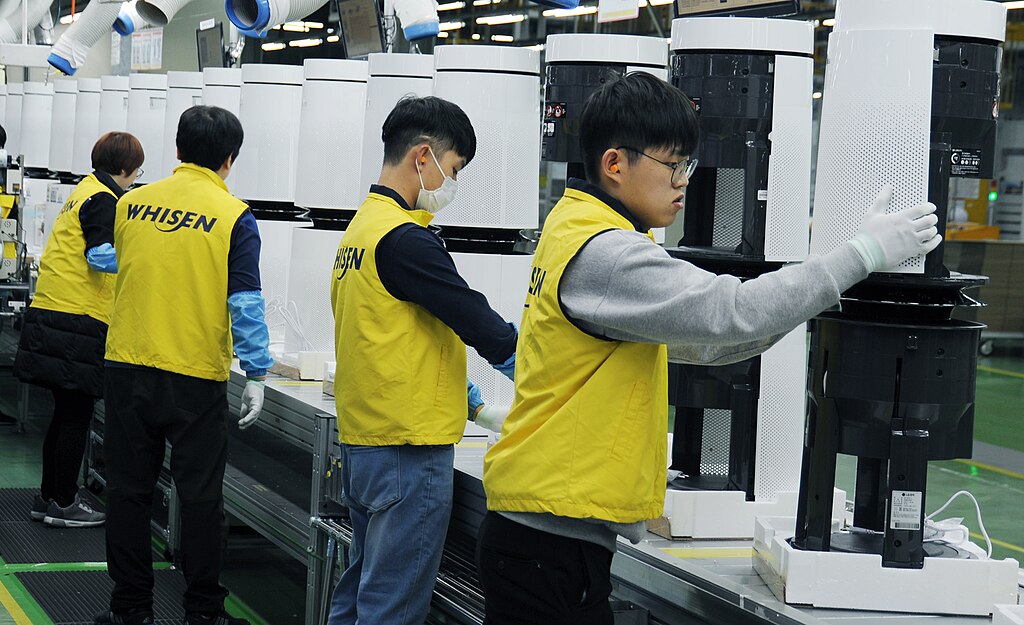
South Korea’s manufacturing sector continued its upward momentum in February, marking a third consecutive month of expansion as semiconductor demand fueled faster factory output. According to the latest S&P Global survey, the Purchasing Managers’ Index (PMI) for Asia’s fourth-largest economy registered 51.1 in February, slightly easing from January’s 51.2, which was the highest reading since August 2024. Any figure above 50 indicates expansion, highlighting sustained growth in the country’s factory activity.
Factory output increased at its fastest pace in one-and-a-half years, driven largely by robust chip demand. The semiconductor sector remained a key growth engine, with manufacturers reporting solid gains in both production and new orders. While new orders rose for the third straight month, the pace of increase moderated slightly compared to January. Still, businesses cited strong global appetite for South Korean semiconductors, particularly from major markets such as the United States and China.
Export performance further supported the positive outlook. South Korea’s exports extended their growth streak to nine consecutive months in February, surpassing market expectations. Strong chip sales continued to underpin overall shipments, even as concerns over potential U.S. tariffs create uncertainty for the trade outlook.
The Bank of Korea recently raised its 2025 economic growth forecast to 2.0% from 1.8%, attributing the upgrade to the ongoing semiconductor export boom. The central bank also kept interest rates unchanged and signaled a stable monetary policy stance over the next six months.
Additional survey indicators pointed to strengthening demand conditions. Input purchases rose at the fastest rate since July 2021, while backlogs of work increased at the quickest pace in 13 months. Post-production inventories also expanded for the first time since December 2024, suggesting manufacturers are building stock to meet rising demand. Overall, South Korea’s manufacturing recovery appears firmly supported by resilient semiconductor exports and improving global demand.







