


 Bessent Urges Japan on Fiscal Discipline, BOJ Rate Hikes
  Brazil, US Resume Tariff Talks as Trade Tensions Persist
  Asian Stocks Tumble as Oil Surge Fuels Rate Hike Fears
  Japan Bond Yields Top 3% as Inflation, Fiscal Risks Rise
  US Strikes Iran IRGC Targets as Conflict Escalates
  Gold Prices Slide as Iran Conflict Fuels Fed Rate Hike Bets
  Gold Prices Steady as U.S.-Iran Tensions Lift Inflation Risks
  RBNZ Raises Interest Rate to 2.75%, Kiwi Dollar Slides
  Dollar Holds Near Two-Week High as Fed Rate Hike Bets Rise
  Australia GDP Beats Forecast, Boosting RBA Rate Hike Bets
  South Korea Unveils Record $597 Billion 2027 Budget to Boost AI and Chips
  Oil Prices Jump as U.S.-Iran Tensions Threaten Hormuz
  Dollar Hits Two-Week High as Iran Conflict Lifts Oil and Bond Yields
  Bank of England Sees Surge in Higher-Risk Collateral
  Oil Prices Rise as US-Iran Conflict Threatens Middle East Supply
  Global Markets Brace for Fed Rate Hike as Oil Tops $91
  Treasury Yields Set to Stay High as Debt Supply Pressures Bond Market


 Add as a preferred source on Google
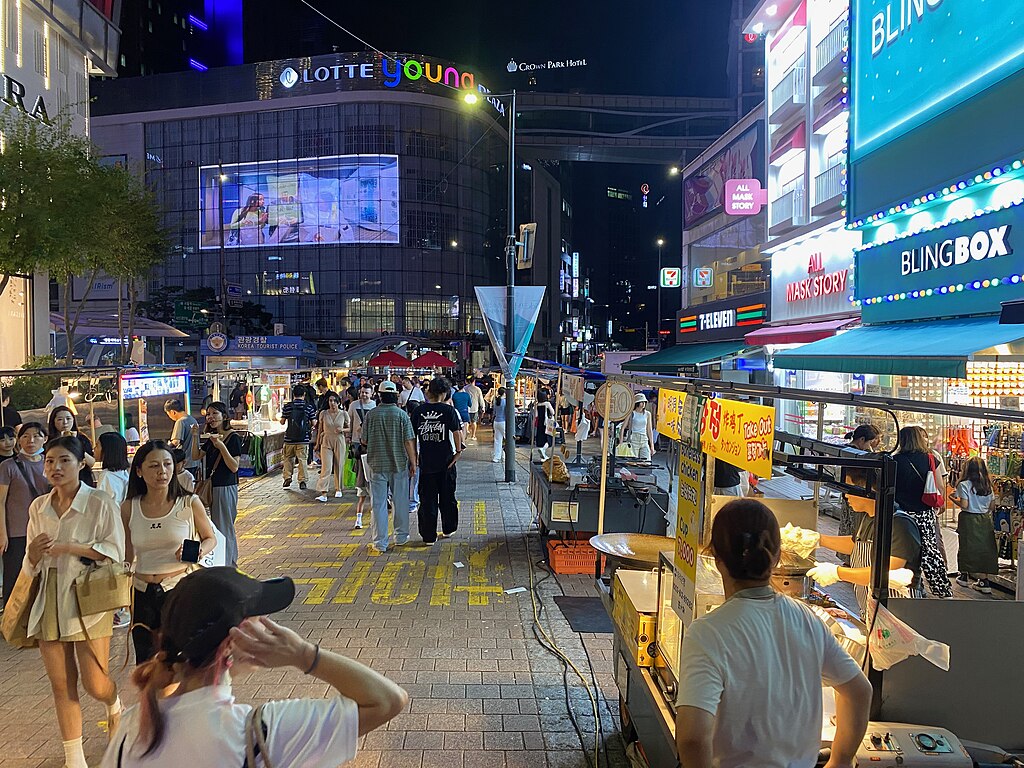
South Korea’s consumer inflation accelerated in August, coming in slightly below market expectations but remaining near a two-year high as elevated energy and telecommunications costs continued to pressure household prices.
The country’s consumer price index (CPI) increased 3.1% year-on-year in August, according to data released Wednesday by the Ministry of Statistics. The figure was just below economists’ forecast of 3.2% but marked a notable acceleration from the 2.8% annual increase recorded in July.
On a monthly basis, South Korean CPI rose 0.2% in August, also missing expectations for a 0.3% increase.
Underlying inflation showed stronger price pressures. Core CPI, which excludes volatile food and energy prices, climbed 3.4% year-on-year in August, accelerating sharply from 2.6% in July. The increase suggests inflationary pressures remain broad even beyond energy markets.
August’s headline inflation rate moved close to the two-year peak of 3.2% recorded in June. Higher oil and energy costs were among the main drivers after a U.S.-Iran ceasefire collapsed in August, contributing to renewed pressure on global energy markets.
Telecommunications prices also contributed to the increase. The annual comparison was affected by major South Korean mobile carriers offering half-price mobile fee discounts in August 2025, creating a lower base for this year’s figures.
The latest South Korea inflation data suggests price growth remains persistent despite the headline CPI reading coming slightly below forecasts. Sticky inflation could strengthen expectations that the Bank of Korea will maintain a tighter monetary policy stance and consider additional interest rate increases.
The Bank of Korea raised its benchmark interest rate by 25 basis points to 3% in August, marking its second rate hike of 2026. Persistent inflation, particularly the sharp increase in core CPI, could give policymakers further reason to keep borrowing costs elevated as they seek to bring price pressures under control without significantly weakening economic growth.







