


 Bessent Urges Japan on Fiscal Discipline, BOJ Rate Hikes
  Brazil, US Resume Tariff Talks as Trade Tensions Persist
  BSP Sees Philippine Inflation Easing, Keeps Policy Options Open
  UAE Central Bank Probes Banque Misr Over Iran Links
  Japan Bond Yields Top 3% as Inflation, Fiscal Risks Rise
  Gold Prices Steady as U.S.-Iran Tensions Lift Inflation Risks
  RBNZ Raises Interest Rate to 2.75%, Kiwi Dollar Slides
  Global Markets Brace for Fed Rate Hike as Oil Tops $91
  Treasury Yields Set to Stay High as Debt Supply Pressures Bond Market
  Dollar Hits Two-Week High as Iran Conflict Lifts Oil and Bond Yields
  Australia GDP Beats Forecast, Boosting RBA Rate Hike Bets


 Add as a preferred source on Google
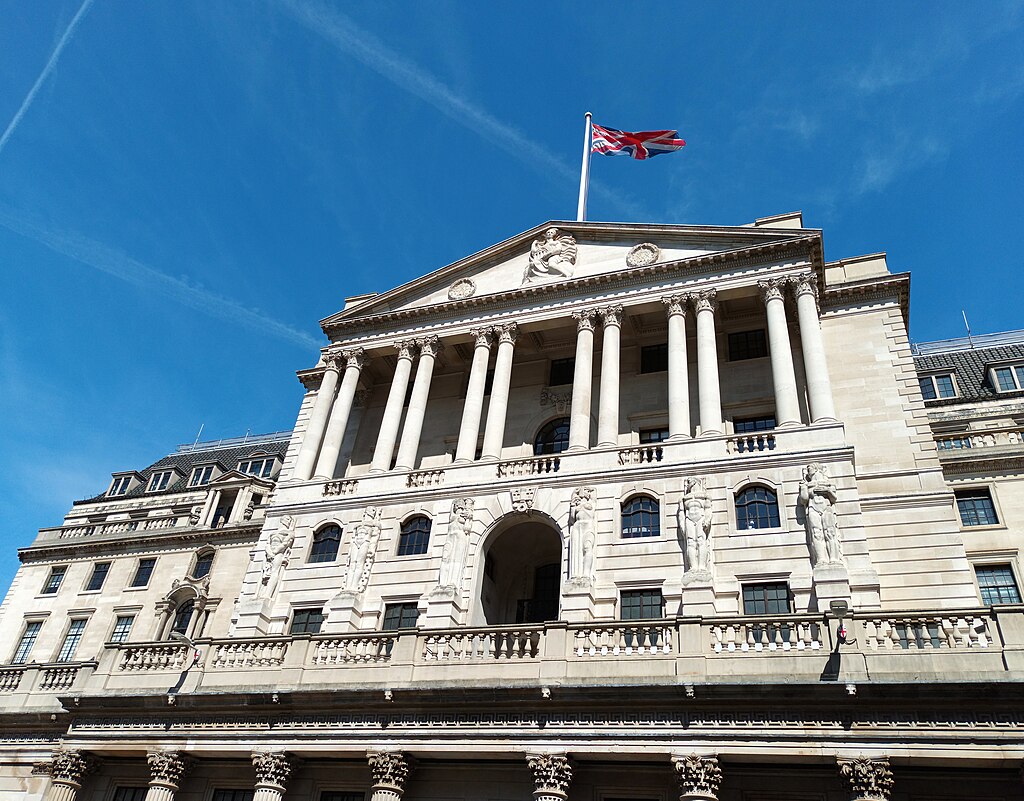
British banks are increasingly using higher-risk loans and securities as collateral to access Bank of England funding, highlighting how the central bank’s exposure to potentially illiquid assets is growing.
Banks pledged £1.9 billion of the BoE’s highest-risk “Level C” collateral at its August 18 auction for six-month funds, according to central bank data reviewed by Reuters. That was the largest weekly amount since March 2020 and triple the previous week’s total.
Reuters calculations show the Bank of England now holds about £17.8 billion of Level C collateral through its Indexed Long-Term Repo (ILTR) facility, up from £8.7 billion a year earlier and less than £1 billion in mid-2024.
The increased use of the ILTR comes as the BoE reverses the £895 billion quantitative easing program conducted between 2009 and 2021. As excess cash in Britain’s financial system declines, commercial banks are increasingly turning to the facility for liquidity.
The BoE accepts a broad range of collateral, including assets linked to mortgages, vehicle and heavy-equipment leases, credit cards and small-business loans. Some categories would not qualify under the European Central Bank’s stricter collateral requirements.
Among securities eligible as Level C collateral are Investec-linked Temese Funding notes backed by equipment and vehicle leases. Harben Finance securities linked to buy-to-let mortgages originated by Bradford & Bingley are also eligible, although some debt tranches have recently received ratings downgrades.
Other eligible securities include notes backed by KKR-backed NewDay credit cards targeting higher-risk borrowers and debt from the Small Business Origination Loan Trust containing loans made through Funding Circle. S&P Global estimated in August that nearly one-fifth of loans in that Funding Circle pool could default.
The BoE said its framework includes robust risk controls. Banks pay higher interest rates and face larger “haircuts” when pledging riskier assets, meaning the central bank lends less than their full value.
Level C assets have represented roughly one-fifth to one-quarter of ILTR collateral over the past year. However, increased use of the facility has pushed their absolute value sharply higher, raising questions about the central bank’s growing exposure to higher-risk credit markets.







