


 Gold Prices Rebound as Fed Rate Hike Bets Rise
  South Korea Unveils Record $597 Billion 2027 Budget to Boost AI and Chips
  Canada Backs €100 Billion Global Defence Bank
  Japan Industrial Output, Retail Sales Beat Forecasts in July
  Asian Stocks Slide as U.S.-Iran Fighting Lifts Oil Prices
  US Stock Futures Fall as Iran Strikes, Fed Rate Fears Rise
  Asian Stocks Slip as Fed Rate Hike Bets and Oil Surge Weigh
  Asian Tech Stocks Slide as Fed Rate Hike Bets Rise
  Dollar Holds Near Two-Week High as Fed Rate Hike Bets Rise
  Japan Bond Yields Top 3% as Inflation, Fiscal Risks Rise
  Brazil, US Resume Tariff Talks as Trade Tensions Persist
  Ukraine Sanctions Chief Heads to Washington to Push Russia Bill
  Oil Prices Jump as U.S.-Iran Tensions Threaten Hormuz Supply
  US Treasury Plans Weekly Iran Sanctions Push
  Canada Backs €100B Global Defence Bank as G7 Support Lags
  China Manufacturing PMI Contracts Again as Recovery Remains Fragile
  Oil Prices Rise as U.S.-Iran Fighting Fuels Supply Fears


 Add as a preferred source on Google
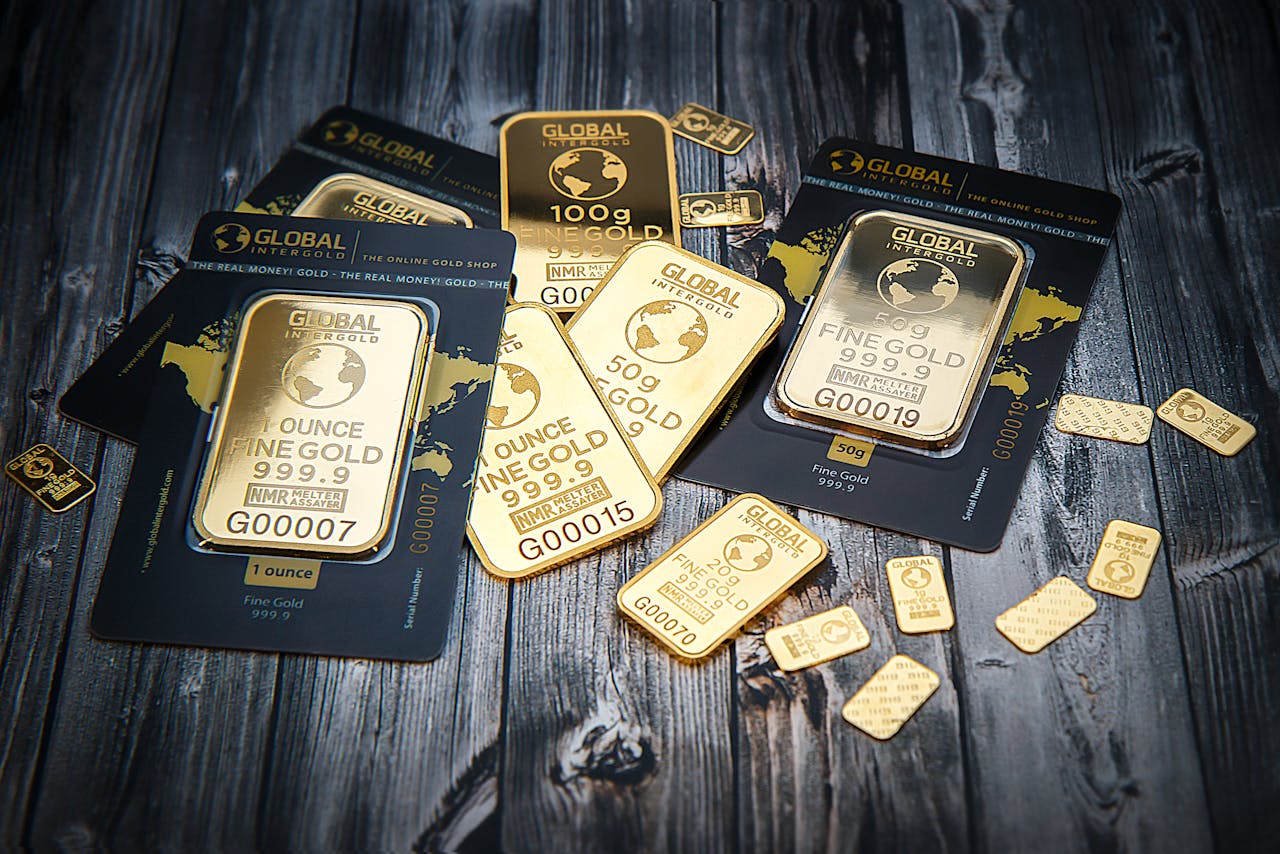
Gold prices stabilized on Monday after losing more than 3.5% over the previous two sessions, as renewed U.S.-Iran military strikes fueled concerns over energy prices, inflation and the Federal Reserve’s interest rate outlook.
Spot gold (XAU/USD) slipped 0.1% to $4,444.36 an ounce, while gold futures rose 0.3% to $4,493.25. Silver gained 0.2% to $66.67 an ounce and platinum climbed 0.4% to $1,802.60. The U.S. Dollar Index was largely unchanged at 99.46.
Precious metals remain under pressure after Washington and Tehran exchanged strikes for the first time in about a month. U.S. forces targeted Iranian rocket launchers on an island in the Strait of Hormuz on Sunday, saying the weapons were being prepared for mine deployment. Iran later struck targets in the United Arab Emirates and Jordan.
The escalation pushed oil prices higher after their strongest advance in three weeks. Rising energy costs could intensify inflation pressures and encourage the Fed to maintain restrictive monetary policy or raise interest rates further.
Markets are now pricing in more than a 60% chance of a 25-basis-point Fed rate hike at the September 15-16 meeting, according to CME FedWatch. Higher rates typically weigh on gold because they increase the appeal of interest-bearing assets such as U.S. government bonds.
IG senior market analyst Tony Sycamore said gold’s roughly $300 decline from last week’s $4,697 peak to Monday’s low near $4,397 reflected both Fed Chair Kevin Warsh’s hawkish Jackson Hole remarks and renewed tensions around the Strait of Hormuz.
Despite the recent selloff, gold gained nearly 10% in August, marking its strongest monthly performance since January. The rally was supported by the U.S. Treasury’s unexpected decision to increase purchases of longer-dated government debt, which lowered borrowing costs and pressured the dollar.
Concerns over U.S. sovereign debt and currency depreciation have also revived the so-called debasement trade, while gold-backed ETFs recorded strong inflows.
However, rising Treasury yields and a more hawkish Fed outlook have interrupted gold’s momentum. Bullion also fell below its 200-day moving average near $4,526, signaling increased short-term technical pressure.







