


 Australia GDP Beats Forecast, Boosting RBA Rate Hike Bets
  Asian Stocks Slide as U.S.-Iran Fighting Lifts Oil Prices
  Asian Tech Stocks Slide as Fed Rate Hike Bets Rise
  India Manufacturing Growth Slows to Five-Year Low in August
  Asian Stocks Slip as Fed Rate Hike Bets and Oil Surge Weigh
  Ukraine Seeks Early EU Funds to Cover $27B Defence Gap
  Bank of England Sees Surge in Higher-Risk Collateral
  Ukraine Sanctions Chief Heads to Washington to Push Russia Bill
  Canada Backs €100 Billion Global Defence Bank
  Brazil, US Resume Tariff Talks as Trade Tensions Persist
  Oil Prices Rise as U.S.-Iran Fighting Fuels Supply Fears
  Asian Stocks Fall as Fed Rate Hike Bets and Iran Conflict Rattle Markets
  Gold Prices Steady as U.S.-Iran Tensions Lift Inflation Risks
  Global Markets Brace for Fed Rate Hike as Oil Tops $91
  Oil Prices Rise as US-Iran Conflict Threatens Middle East Supply
  Oil Prices Jump as U.S.-Iran Tensions Threaten Hormuz


 Add as a preferred source on Google
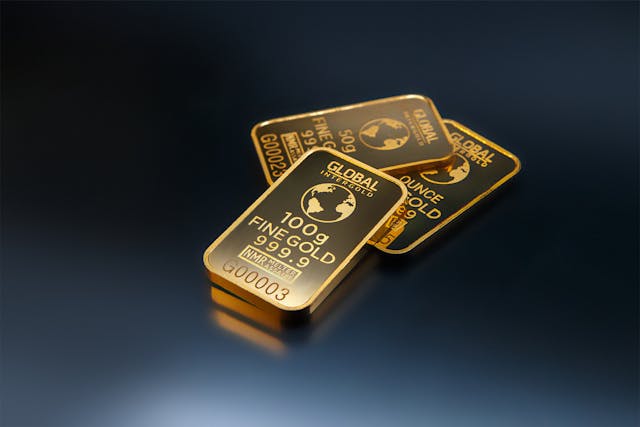
Gold prices fell on Tuesday as renewed fighting between the United States and Iran drove oil prices higher, fueled a global bond selloff and strengthened expectations that the Federal Reserve could raise interest rates again.
Spot gold (XAU/USD) dropped 0.3% to $4,317.54 an ounce at 21:31 ET (01:31 GMT), while gold futures declined 0.7% to $4,364.36. Silver fell 0.3% to $63.92 an ounce and platinum lost 0.7% to $1,731.81. The U.S. Dollar Index gained 0.1% to 99.76.
Gold has now fallen nearly 6% over three sessions, reaching a two-week low as surging oil prices, rising bond yields and a stronger dollar weigh on demand for the precious metal.
The latest decline came after the U.S. launched fresh strikes against Iranian targets on Tuesday, prompting retaliation from Tehran and marking a sharp escalation following nearly a month of relative calm.
Brent crude climbed above $95 a barrel, while U.S. crude surpassed $91 as investors assessed the threat of prolonged disruptions to energy shipments through the Strait of Hormuz.
Higher energy prices could add to inflationary pressures and strengthen the case for tighter Federal Reserve policy. Markets are now pricing in nearly a 70% probability of a Fed rate hike at the September 15-16 meeting.
Expectations for higher rates have also been supported by Fed Chair Kevin Warsh’s hawkish Jackson Hole remarks and comments from Governor Michael Barr, who warned Tuesday that policymakers should be ready to raise rates if inflation remains persistent.
Bond markets have added further pressure on gold. The 30-year U.S. Treasury yield climbed above 5.28%, returning to levels seen before Treasury Secretary Scott Bessent expanded bond buybacks on August 19. Global government yields have meanwhile reached their highest levels since 2008.
The stronger dollar has created another obstacle for gold by making dollar-denominated bullion more expensive for overseas buyers.
Gold’s pullback follows an almost 10% rally in August, its strongest monthly performance since January. ANZ expects concerns over sovereign debt and currency depreciation to continue supporting longer-term gold demand, although rising yields have weakened near-term momentum.
Technical sentiment has also deteriorated after gold broke below its closely watched 200-day moving average.







