


 Australia Defends Social Media Algorithm Law Amid US Concerns
  Taiwan Vows to Advance US Arms Sales Ahead of Trump-Xi Meeting
  Trump to Press Xi on Release of US Nuclear Expert Held in China
  Lula and Flavio Bolsonaro Tied in Brazil Runoff Poll
  US Immigration Arrests Surge as Deportations Lag Behind
  Gaza Faces Evacuation Crisis as War-Damaged Buildings Risk Collapse
  US Invites Putin to Miami G20, Opening Door to Trump Summit
  US Bans Canadian Alcohol, Motorcycles as Trade War Escalates
  US Judge Dismisses Imran Ahmed Deportation Lawsuit
  DOJ Will Investigate AI-Related Crimes, Attorney General Blanche Says
  US Northeast Airports Resume Operations After Telecom Outage Disrupts Thousands of Flights
  Netanyahu Takes Aim at Mamdani as Israel Election Nears
  Trump Scales Back Endangered Species Act Protections
  Judge Blocks Trump Rule Limiting Foreign Student Visas
  Trump Administration Plans Faster FDA Reviews for Smoke-Free Nicotine Products
  Kremlin Says No Decision Yet on Putin-Trump December Summit
  Judge Orders Trump to Restore White House Access for CNN, MS NOW and Politico


 Add as a preferred source on Google
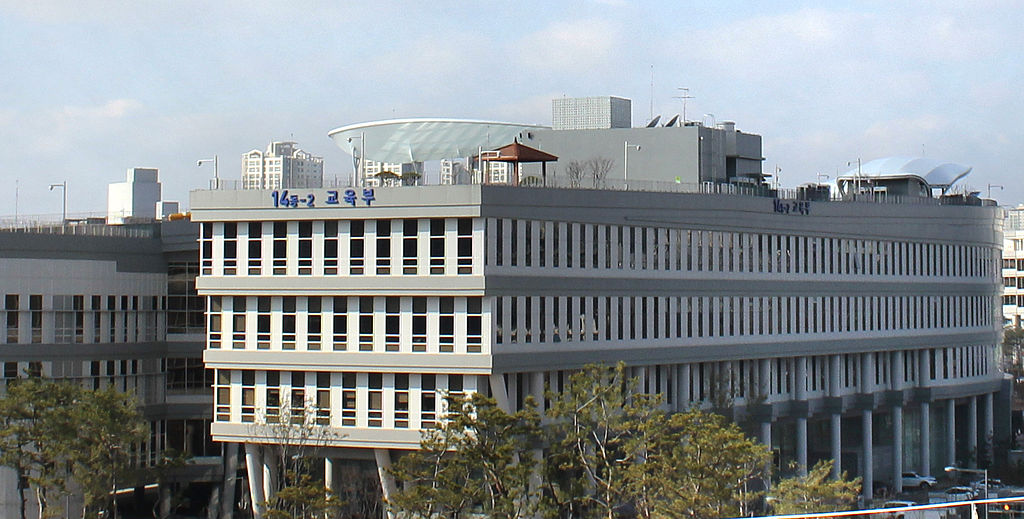
South Korea’s education ministry has agreed to cap new medical student admissions at 3,000 per year, aiming to end a 13-month standoff with trainee doctors. The freeze is contingent on all striking doctors returning to work, according to Education Minister Lee Ju-ho.
Since February 2024, thousands of trainee doctors have walked out in protest against the government’s plan to increase medical school admissions by 2,000 in 2025. The policy aimed to address a projected doctor shortage by 2035, especially in underserved regions and for an aging population. However, doctors argue that improving pay and working conditions should take priority over increasing student numbers.
The government’s latest move marks a shift from its previous hardline stance under impeached President Yoon Suk Yeol, who had attempted to enforce medical reforms. In January, the health ministry reported that 90.1% of 13,531 eligible trainee doctors had resigned, while many medical students also boycotted classes.
Yoon was impeached after a controversial martial law decree on December 3, which ordered striking medical personnel to return to work within 48 hours. The order was rescinded within hours after lawmakers blocked it. The Constitutional Court is expected to rule soon on whether to uphold Yoon’s impeachment, which could trigger new elections within 60 days.
The medical crisis has left hospitals struggling with staffing shortages, fueling debate over long-term healthcare reforms. The government hopes its latest proposal will bring doctors back while addressing systemic issues in South Korea’s healthcare system.







