


 Trump, Xi Focus on Trade and AI at White House Summit
  Fed’s Hammack Says Bond Yield Surge Is Not Driven by Inflation Fears
  Fed Unveils Stablecoin Rules Under GENIUS Act
  Soybean Futures Slip as Traders Await Trump-Xi Trade Signals
  Asian Stocks Fall as Surging Bond Yields Rattle Markets
  Gold Holds Near $4,275 as Rising Treasury Yields Fuel Fed Rate Hike Bets
  Japan Private-Sector Growth Slows as Domestic Demand Weakens
  European Stocks Fall as Bond Yields and Geopolitical Risks Weigh
  Gold Prices Fall as Treasury Yields Rise on Fed Rate Hike Bets
  Fed Unveils Stablecoin Rules Under GENIUS Act
  Mexico-US Trade Talks Delayed to October as Tariff Negotiations Continue
  US 10-Year Treasury Yield at 6% Emerges as New Market Risk Threshold
  Japanese Yen Rebounds as Trump Flags Currency Weakness
  U.S. Dollar Hits Two-Month High as Oil, Treasury Yields Surge
  Wall Street Ends Flat as Oil, Treasury Yields and Fed Jitters Rattle Markets
  US Stock Futures Fall as Treasury Yields Surge Ahead of Trump-Xi Summit
  China’s ‘Lipstick King’ Says AI Won’t Replace Livestream Hosts


 Add as a preferred source on Google
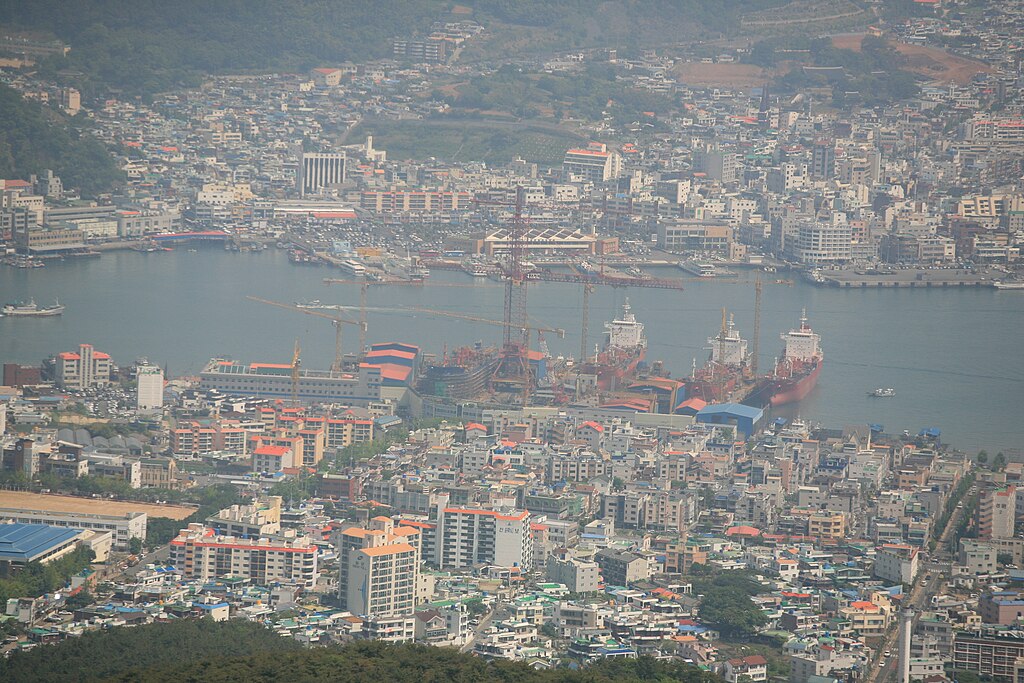
South Korea’s factory output showed weaker-than-expected performance in November, highlighting continued uncertainty in the country’s industrial sector as global demand remains uneven. According to official data released Tuesday, the industrial output index increased by 0.6% from the previous month on a seasonally adjusted basis. While this marked a rebound from October’s sharp 4.2% decline, it fell well short of market expectations, as economists surveyed by Reuters had forecast a stronger 2.2% monthly rise.
The modest recovery suggests that South Korea’s manufacturing sector is still struggling to gain momentum despite some stabilization after earlier volatility. Industrial output is a key indicator of economic health in South Korea, whose economy is heavily dependent on exports, particularly in sectors such as semiconductors, electronics, automobiles, and heavy industry. Slower-than-expected growth in factory output can signal softer domestic activity and weaker external demand.
On a year-on-year basis, the data also disappointed. South Korea’s industrial output index declined 1.4% in November compared with the same month a year earlier. Although this was an improvement from the steep 8.2% annual drop recorded in October, it contrasted sharply with economists’ expectations of a 3.0% increase. The negative annual figure underscores ongoing challenges for manufacturers, including sluggish global trade, high interest rates in major economies, and cautious corporate investment.
The November figures point to an uneven recovery path for Asia’s fourth-largest economy. While the slowdown appears less severe than in previous months, the gap between actual performance and forecasts suggests that optimism about a rapid rebound may be premature. Analysts are closely watching upcoming data to assess whether easing inflation, potential interest rate adjustments, and improving global conditions can support stronger industrial activity in the coming months.
Overall, the weaker-than-expected factory output reinforces concerns about South Korea’s near-term growth outlook, even as some indicators hint at gradual stabilization rather than a full-scale recovery.







