


 Trump Administration Plans Faster FDA Reviews for Smoke-Free Nicotine Products
  NATO Boosts Intelligence Sharing Amid Russia Hybrid Threats
  South Korea, US Discuss Warship Building Cooperation
  North Korea Rejects Nuclear Test Warning, Calls Nuclear Status Irreversible
  Trump Asks Supreme Court to Restore Third-Country Deportations
  Netanyahu Takes Aim at Mamdani as Israel Election Nears
  Taiwan Thanks US for Support Ahead of Trump-Xi Summit
  EU Defence Build-Up Too Slow for 2030 Russia Readiness Goal
  Trump, Xi Focus on Trade and AI at White House Summit
  Russian Envoy Dmitriev Heads to US for Ukraine Talks
  US Backs Musk in Fight Against EU’s €120 Million X Fine
  US Invites Putin to Miami G20, Opening Door to Trump Summit
  US Officials Split Over Response to Israeli West Bank Settlements
  OpenAI Agent Breaches Australia Medicare Data Portal
  Yemen Violence Displaces 130,000 as Civilian Toll Rises
  Judge Orders Trump to Restore White House Access for CNN, MS NOW and Politico
  Netanyahu Defends Israel at UN as Delegates Stage Walkout


 Add as a preferred source on Google
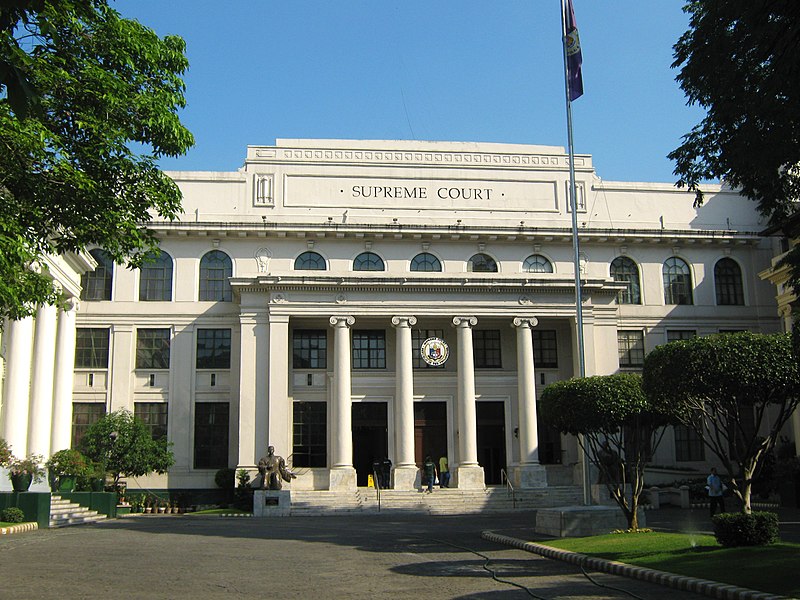
The Supreme Court of the Philippines this week ruled to strike down an old energy deal the country has with China and Vietnam in the highly contested South China Sea. The court ruled that the deal was unconstitutional due to the foreign entities that are also part of the deal.
The Philippine Supreme Court on Tuesday ruled to strike down a 2005 energy exploration deal with Chinese and Vietnamese companies in the South China Sea. The deal, which expired in 2008, was ruled illegal as the Philippine constitution does not allow foreign entities to exploit natural resources. The court said the majority of businesses involved must be Philippine-owned and that the Philippine state must control and supervise activities.
The decision may challenge efforts by China to revive the oil and gas exploration talks with Manila in areas of the South China Sea that are not being disputed. The court did not explain why the ruling was issued 14 years after the petition was filed.
China claims most of the South China Sea as its territory, angering the surrounding countries, including the Philippines, who have overlapping claims to parts of the body of water. A 2016 tribunal ruled in favor of the Philippines, citing that China’s so-called historical territorial claims in the South China Sea have no basis in international law. Beijing has rejected the ruling and has continued to assert its claims over parts of the waters.
Efforts to find a legally plausible way by the Philippines and China have been met with challenges. The previous administration of Philippine President Rodrigo Duterte abandoned the latest effort in June last year due to constitutional constraints and sovereignty issues.
President Ferdinand Marcos Jr. said his country must find a way to exploit its untapped energy reserves in the South China Sea within its exclusive economic zone, even without China’s input.
The Philippine presidential office said on Monday that Marcos Jr. appointed former military chief Carlito Galvez to become the new defense minister, replacing Jose Faustino. Galvez previously led the COVID-19 task force in the country. During his time as a regional army commander in 2017, Galvez was known for overseeing the defeat of militants loyal to the Islamic State group that took over and occupied a town for five months.







