


 China Tightens Fentanyl Rules Ahead of Trump-Xi Summit
  US Invites Putin to Miami G20, Opening Door to Trump Summit
  Kremlin Says No Grounds Yet for Ukraine Peace Talks
  Gaza Faces Evacuation Crisis as War-Damaged Buildings Risk Collapse
  South Korea, US Discuss Warship Building Cooperation
  Taiwan Vows to Advance US Arms Sales Ahead of Trump-Xi Meeting
  Trump Says ‘Freedom’ Is Coming to Cuba
  Russian Strikes Kill Eight Across Ukraine as Energy Sites Hit
  Scott Bessent Eyed as Trump’s New AI Czar
  Trump to Press Xi on Release of US Nuclear Expert Held in China
  Macron, Trump Discuss Ukraine-Russia Energy Strike Moratorium
  Ghana Says Western Support Growing for Slave Trade Reparations
  Trump Board of Peace Unveils $2.45 Billion Gaza Recovery Plan
  Lula and Flavio Bolsonaro Tied in Brazil Runoff Poll
  Trump Meets Venezuela’s Delcy Rodriguez at UN Assembly
  Marco Rubio to Meet Russia’s Lavrov in New York
  Venezuela Promises Elections as Delcy Rodriguez Pledges Democratic Transition


 Add as a preferred source on Google
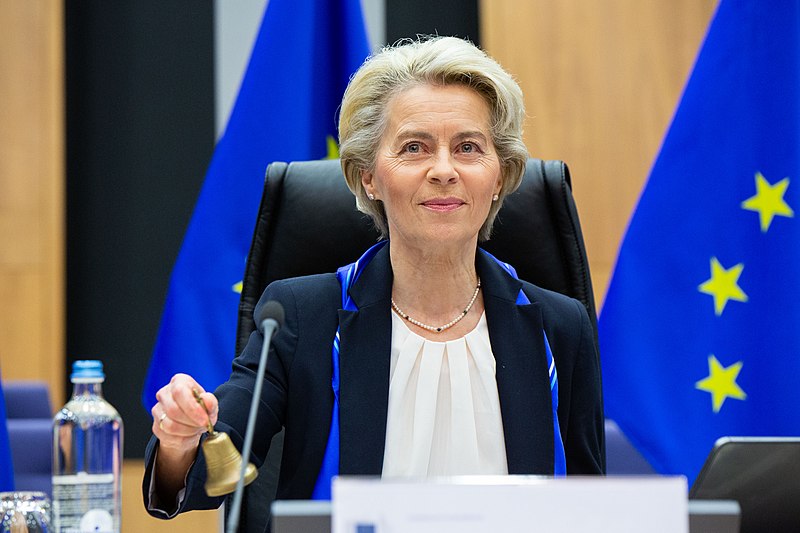
The two major blocs of the European Union and the Association of Southeast Asian Nations held their first summit this week. Both regional groupings agreed to deepen economic ties as well as reaffirm the respect for Ukraine’s sovereignty and territorial integrity.
The leaders of the 27 EU countries and nine leaders of the 10-member ASEAN grouping held their first summit which also marked 45 years of diplomatic relations between the two regions. Only the military junta leaders of Myanmar were not included in the conference. Both blocs discussed areas of future cooperation such as trade, green and digital transitions, and health.
The EU and ASEAN have also signed a deal to allow their airlines to expand their services easily. Both blocs also reaffirmed their commitment to a rules-based international order.
The EU Commission President Ursula von der Leyen announced a $10.65 billion commitment to 2027 for investment and infrastructure in ASEAN. The commitment will focus on green projects and connectivity.
The EU intends to expand its trade ties beyond free trade agreements with Singapore and Vietnam and negotiations with Indonesia. The two blocs are each other’s third-largest trading partners, and the summit that took place on Wednesday was the first summit between the two groupings in history.
Von der Leyen and Cambodian Prime Minister Hun Sen said that the ultimate goal was a region-to-region free trade agreement.
The EU was also looking for a strong statement from ASEAN describing the war in Ukraine as an act of aggression by Russia. The statement from ASEAN was similar to the agreement made by the G20 countries at the summit in Indonesia in November in that most of the ASEAN countries condemned the war.
The EU-ASEAN statement also reiterated the importance of peace in the contested South China Sea and expressed concerns about the ongoing coup by the military in Myanmar, as well as tensions in the Korean peninsula.
The $10.65 billion commitment by the EU to ASEAN would span the next five years through the EU’s Global Gateway strategy that was designed to counter China’s growing influence in the region. The EU countries are looking to diversify key supply chains away from China as the war in Ukraine has highlighted the continent’s vulnerable areas.







