


 Burnham Eyes UK Leadership Role in AI Ahead of Trump Meeting
  Trump Administration Plans Faster FDA Reviews for Smoke-Free Nicotine Products
  Venezuela Promises Elections as Delcy Rodriguez Pledges Democratic Transition
  Iran Vows ‘Crushing’ Response as US Talks Continue
  Marco Rubio to Meet Russia’s Lavrov in New York
  Kremlin Says No Grounds Yet for Ukraine Peace Talks
  Trump Meets Venezuela’s Delcy Rodriguez at UN Assembly
  Trump Board of Peace Unveils $2.45 Billion Gaza Recovery Plan
  Russian Strikes Kill Eight Across Ukraine as Energy Sites Hit
  Zelenskiy Warns Russia Preparing Major Attack on Ukraine
  Canada Unveils Bill to Fast-Track Major Resource Projects
  US Invites Putin to Miami G20, Opening Door to Trump Summit
  Macron, Trump Discuss Ukraine-Russia Energy Strike Moratorium
  Macron Challenges Trump’s Gaza Peace Claims at UN
  US, China Extend Trade Truce to Jan. 10 Ahead of Trump-Xi Summit
  Trump Says ‘Freedom’ Is Coming to Cuba
  US Officials Split Over Response to Israeli West Bank Settlements


 Add as a preferred source on Google
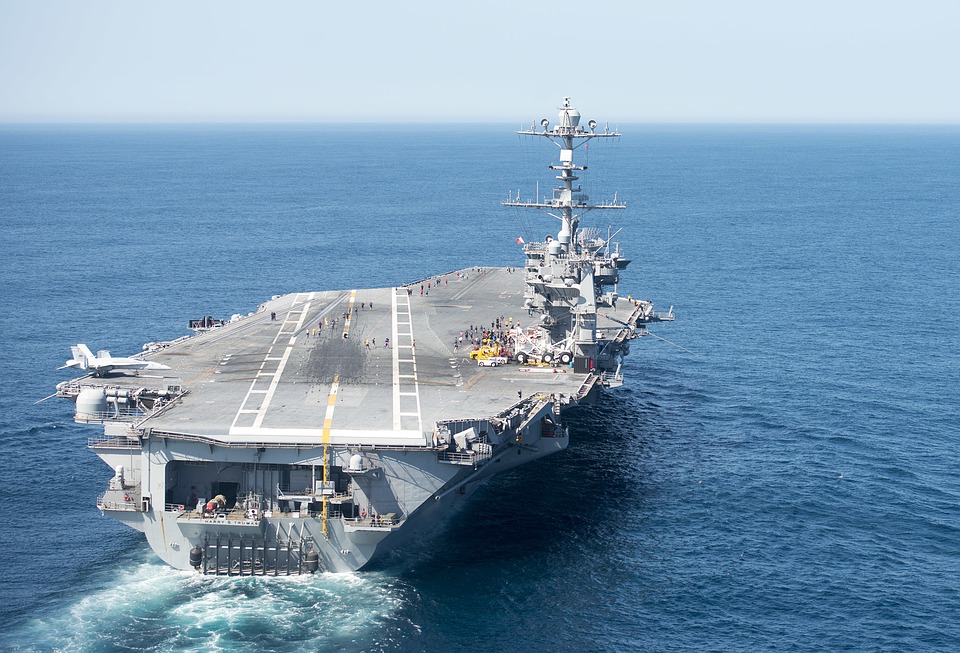
In the dispute over the South China Sea, the US and its allies are set on deterring aggression by China in a bid to assert control over the waters. The attempts by the US to deter Chinese aggression in the body of water have led Beijing to take a different approach in a show of control.
Speaking with NBC News Australia, political analyst Stephen Nagy said that China is forced into taking an unorthodox approach to showing control over the contested waters due to the strategy used by the US against the communist nation. Nagy said that China is “upset” and that it feels that the US does not have a role within the region. Nagy also cited the current escalated tensions between China and the Philippines.
“Beijing is upset, they feel the United States is an outside factor that doesn’t really have a role within the region,” said Nagy. “That this is traditionally, historically, China’s backyard and that outside powers like the United States and even Australia and our EU partners have no place in the discussion about the South China Sea. But that being said, the United States has really said to China that the red line is infringing upon the territories of the Philippines,”
Nagy noted that the Philippines and the US have a mutual defense treaty, recently referred to by US Secretary of State Antony Blinken, who warned China that any attack on the Philippines will lead to a response from the US military, during the fifth anniversary of the international tribunal’s rule against China’s claims of sovereignty over the waters.
Aside from the southeast Asian countries that have overlapping claims to the South China Sea, China’s situation with Taiwan has also prompted other nations to intervene or comment. Japan’s annual white paper warned that growing tensions in Taiwan could spell trouble for east Asian countries like Japan. The paper noted the escalating tensions between Beijing and Washington that also involve the island nation.
China claims Taiwan as a breakaway province in which it has sovereignty. However, Taiwan has defied the claims, insisting on its democratic government. The report also stressed the importance of Japan monitoring the situation in Taiwan.







