


 AstraZeneca Halts Phase III Volrustomig Lung Cancer Trial After Efficacy Setback
  GLP-1 Weight-Loss Drug Use Surges Among U.S. Children
  Trump Administration Bars U.S. Travelers From Congo Flights Amid Ebola Outbreak
  U.S. Issues Cuba Health Alert as Illnesses Rise
  Hims & Hers Shares Fall as GLP-1 Costs Widen Q2 Loss
  FDA Investigates New Cyclospora Outbreak as U.S. Cases Continue to Rise
  GSK Unveils $2.52 Billion Cost-Cutting Plan to Accelerate Drug Pipeline
  France Keeps Top Health Alert as Officials Brace for Another Heatwave
  Novo Nordisk Raises 2025 Outlook Despite Wegovy Pill Miss and CagriSema Setback
  Trump Signs Order to Cut Routine Childhood Vaccines
  France Battles Mediterranean Wildfires as Heatwave Fuels Fire Risk
  Eli Lilly Eyes AtaiBeckley Acquisition to Expand Psychedelic Mental Health Pipeline
  The government is ‘doubling down’ on its social media ban. But bigger penalties for platforms aren’t enough
  Moderna Short Sellers Hit With $4.8 Billion Loss as Stock Soars
  Novartis Shares Plunge After Muscle Drug Fails Phase III Trial
  Venezuela Earthquake Health Risks Rise as Disease Monitoring Intensifies


 Add as a preferred source on Google
It was Benjamin Franklin who said only two things in life are certain: death and taxes. Actually taxes are anything but certain, and what is definitely not certain is how people will respond to them.
Unintended consequences are the bane of those looking to develop innovative ways of raising money from taxes. Look no further than the UK government’s decision to introduce a system of local taxation in the 1980s known as the community charge, aka the poll tax. It led to over 200,000 people protesting in London’s Trafalgar Square in 1990. The riots that ensued precipitated the end of Mrs Thatcher’s time in office and her successor John Major scrapped the tax.
In our era the bedroom tax was very unpopular and was ditched, while as I write the contentious 5% tampon tax is about to be scrapped in a deal with the EU.
Yet more often than not we become habituated to the taxes we pay. The standard rate of VAT is 20%, which increased in 2011 from 17.5% – but I think none of us protested, and few probably even remember the increase. Over the years we have come to expect taxes to increase on “sin” products such as alcohol and cigarettes, but the evidence that such taxes reduce how much of them we consume is sparse.
With cigarettes what seems to have been more important is that through the bans in public places, smoking has gradually become an antisocial activity. Certainly having to be part of a group of furtive smokers outside an office in the cold is not appealing.
The sweet hereafter
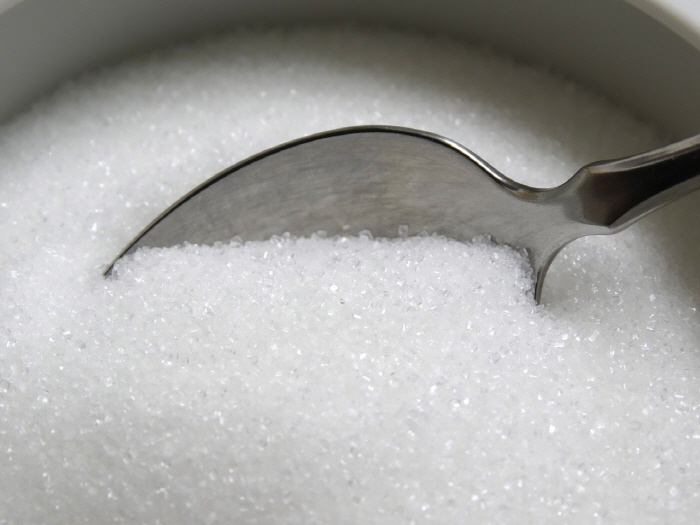
So what of the sugar tax? A day after the Budget it is difficult to say what impact it will have but let’s be clear, the likes of Jamie Oliver think it will be the start of reducing childhood obesity. I would be less sure. One only needs to look to Denmark – which attempted to introduce a fat tax a few years ago – to see the consequences may not be intended. It raised the price of a wide range of products and put small businesses such as grocers selling cheese particularly at risk. Consumers found ways to circumvent the tax, for example by buying products in Germany.
In January the British Medical Journal reported research from Mexico which suggested that its 10% sales tax on sweetened drinks had resulted in something like a 12% reduction in sales. But beware of direct comparisons: this was a simple sales tax passed on to consumers in a country where food accounts for a larger proportion of a person’s income than in the UK.
In contrast, the UK version looks like being levied on the manufacturers. The problem is that they can avoid being penalised if they pass on the cost to consumers – assuming it’s not enough to make consumers choose different products. On the other hand if the companies do absorb the cost, what difference will it have to the obesity and other health issues caused by too much sugar? The companies pay a bit more tax and consumers still get their sugar fix.
Ultimately I do not think we will see the behaviour change that some hope for from this one tax, especially as there are so many other products with just too much sugar and above all too many calories on the market. As I have said before, what we need is for companies to reformulate their products. All we can hope for is that this might be a nudge in the right direction.
 Isabelle Szmigin does not work for, consult, own shares in or receive funding from any company or organization that would benefit from this article, and has disclosed no relevant affiliations beyond the academic appointment above.
Isabelle Szmigin, Professor of Marketing, University of Birmingham
This article was originally published on The Conversation. Read the original article.







