


 MSTR Stock Rises 3% as Strategy Challenges MSCI Bitcoin Stance
  XRP Ledger Hits 10 Million AI Payments as Bitcoin Retreats
  Ripple Locks 700 Million XRP Back in Escrow After October Release
  Evernorth Set for Nasdaq Debut With 473 Million XRP Treasury
  Malaysia Aviation Group to Buy Airbus SAE Unit
  Michael Saylor Sees Strategy, Strive Expanding Bitcoin Credit Market
  Nike Stock Slides as Revenue Miss Clouds Turnaround
  Zcash Awards $8 Million in Grants After Orchard Bug Crisis
  Citi Raises Bitcoin Price Target to $113,000 on ETF Optimism
  SoftBank Shares Fall After $10 Billion OpenAI Investment
  Standard Chartered Sees Ethena ENA Hitting $2 by 2028
  Italgas to Buy 22.5% Stake in Portugal’s Floene for €120 Million
  Sanofi, Regeneron Expand Drug Partnership in $8 Billion Deal
  Trump Praises Boeing 737 Max After Flydubai Crash Attempt
  Volvo Cars Drops Full-Year Outlook as China, US Sales Weaken
  DogeOS Launches Testnet to Bring DeFi Apps to Dogecoin


 Add as a preferred source on Google
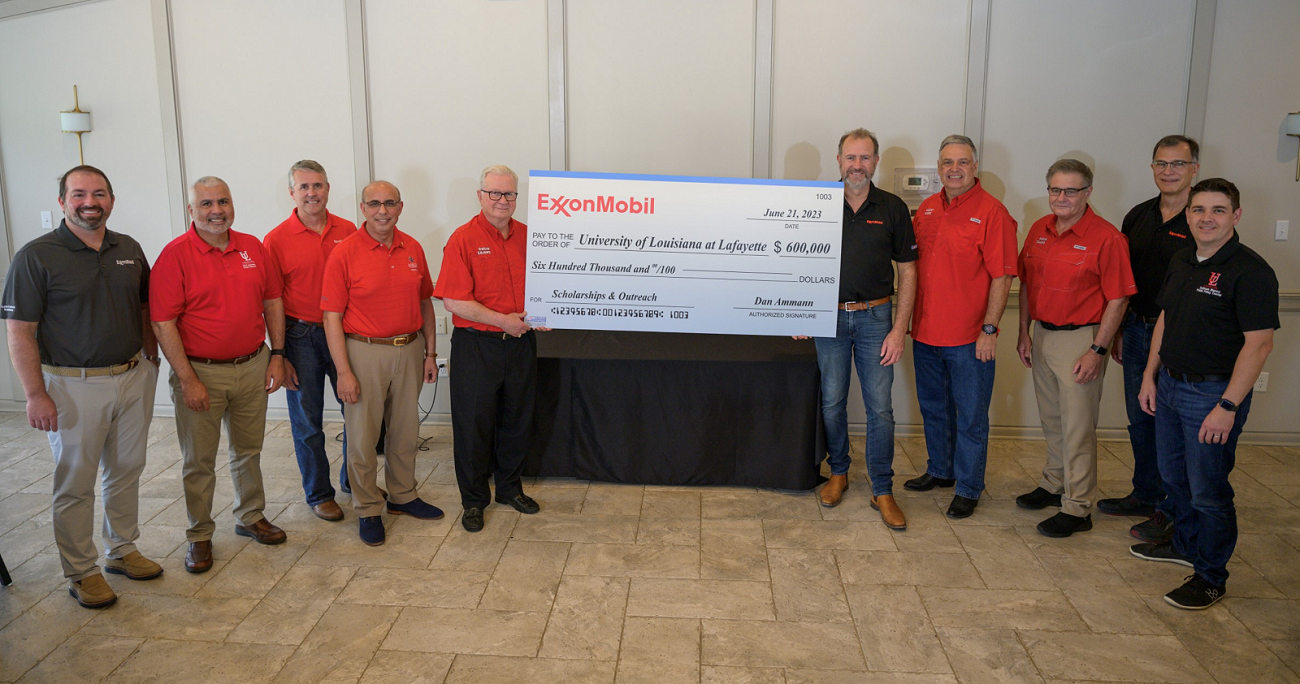
The Singapore government is teaming up with a consortium led by ExxonMobil and Shell to explore the feasibility of a cross-border carbon capture and storage (CCS) project. Second Minister for Trade and Industry, Tan See Leng, announced the ambitious plan to start the project by 2030.
Carbon Capture and Storage Overview
CCS is a method that involves capturing, transporting, and storing carbon dioxide to prevent its release into the atmosphere. Business Times noted that the partnership aims to assess the technical and economic viability of consolidating carbon dioxide emissions in Singapore and identifying suitable CO2 storage locations with regional collaborators.
Collaboration with Indonesia and Emission Reduction Goals
Reuters reported that Singapore and Indonesia have recently signed a Letter of Intent to establish a workgroup focusing on CCS collaboration. The joint effort aims to plan and execute a CCS project capable of capturing and securely storing a minimum of 2.5 million tons of CO2 annually.
The consortium, known as S Hub, will lead in developing the project. They will closely collaborate with the government to evaluate the feasibility of a cross-border initiative from Singapore, engaging with potential service providers to integrate their solutions into the CCS value chain.
Government Engagement and Decarbonisation
Singapore's Ministry of Trade and Industry (MTI) will liaise with local emitters to explore their involvement in the project. CCS is one of the key decarbonization strategies being pursued by Singapore, alongside investments in low-carbon energy alternatives.
As part of the Low-Carbon Energy Research Programme, S$55 million will support 16 projects to advance decarbonization efforts. This includes initiatives such as the Directed Hydrogen Programme (DHP) and the Emerging Technology Grant Call (ETGC), focusing on hydrogen-related technologies and advanced catalysts.
The DHP projects will concentrate on hydrogen and ammonia safety standards, ammonia utilization, and hydrogen distribution. The successful outcomes of these projects could accelerate the technical and commercial feasibility of hydrogen-related technologies.
Research and Innovation in Low-Carbon Energy
The ETGC projects will explore research avenues in low-concentration carbon capture, advanced ammonia processing catalysts, and hydrogen pipeline coatings. These innovations are poised to broaden Singapore's technological solutions for a sustainable energy future.
Photo: ExxonMobil Newsroom







